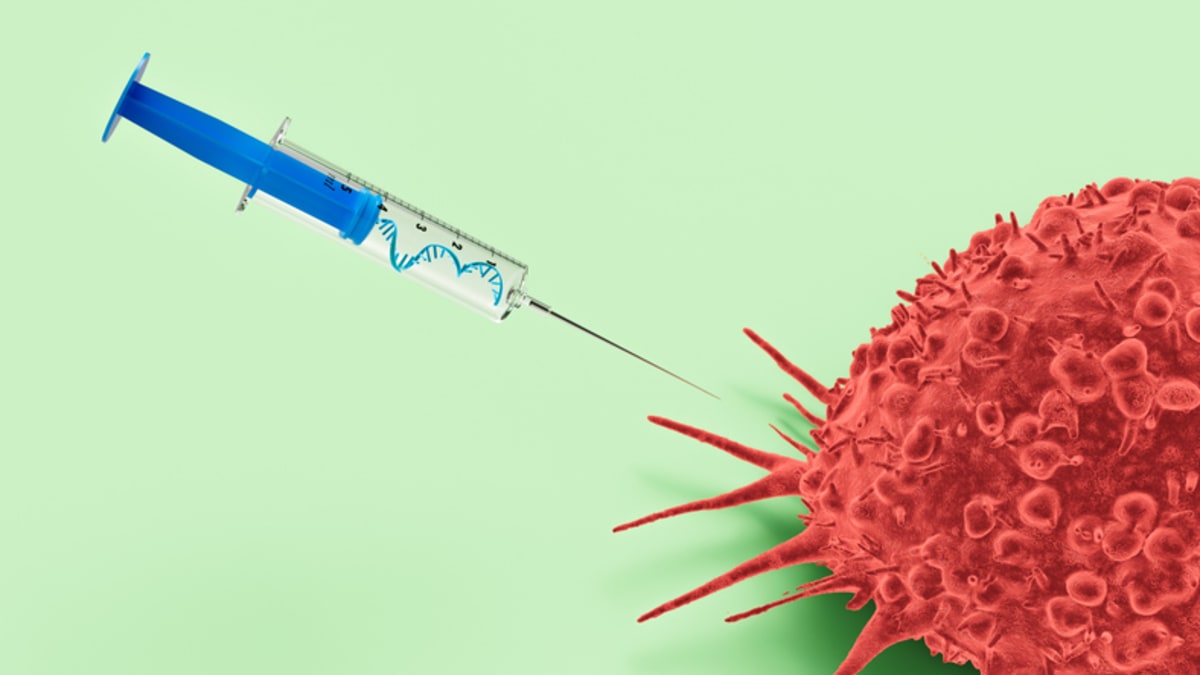
Hungarian Researchers Find New Path to Cancer Treatment
Scientists in Hungary discovered how cells coordinate gene activity and DNA repair, opening doors to more effective cancer therapies. The breakthrough could help make tumor cells more vulnerable to existing treatments.
Scientists in Szeged, Hungary just mapped a crucial cellular process that could transform how doctors fight cancer.
Researchers from the Hungarian Center of Excellence for Molecular Medicine, working with international partners, uncovered how cells protect their genetic code while maintaining normal function. Their findings appeared in Nucleic Acids Research, one of the world's top molecular biology journals.
Here's what makes this discovery exciting: Your cells face constant DNA damage from everyday stress. When severe breaks occur in DNA's double helix structure, cells need to immediately stop copying genetic information. Otherwise, faulty instructions spread throughout the body, potentially triggering tumor growth.
The team discovered that an enzyme called DNA-dependent protein kinase (DNAPK) acts like a molecular traffic light. When DNA damage occurs, DNAPK signals another enzyme called RNA polymerase II to halt its work copying genes. This pause gives repair crews time to fix the damage before any mistakes multiply.
Previous research assumed damaged DNA simply blocked the copying process. This study reveals something more sophisticated: cells actively coordinate when to stop gene activity and when to start repairs, like a well-trained emergency response team.
The Ripple Effect
This discovery reaches far beyond the laboratory. Cancer cells notoriously resist treatment by quickly repairing DNA damage caused by chemotherapy and radiation. Understanding how cells coordinate these repairs gives doctors a new strategy.
By blocking the DNAPK enzyme in tumor cells, doctors could prevent cancer from fixing treatment-induced damage. This would make existing chemotherapy and radiation therapy work better, potentially improving recovery rates without developing entirely new drugs.
The research team used various molecular and cell biology techniques to confirm their findings. When they inhibited DNAPK function in laboratory cells, those cells struggled to respond properly to DNA damage. The copying process continued when it should have stopped, exactly the kind of malfunction that leads to cancer in real patients.
The implications extend to many diseases beyond cancer. Defective DNA repair contributes to numerous health conditions, and understanding these molecular switches could unlock treatments for conditions scientists haven't even connected to DNA repair yet.
For patients currently fighting cancer, this research represents tangible hope. The scientists identified specific molecular targets that existing or near-future drugs could address. That's much faster than waiting for completely new treatment categories to emerge.
Medical advances often feel distant and theoretical, but this discovery builds directly on treatments doctors already use, just making them work smarter.
Based on reporting by Google News - Breakthrough Discovery
This story was written by BrightWire based on verified news reports.
Spread the positivity!
Share this good news with someone who needs it