Hyundai Brings 25,000 Helper Robots to US Factories by 2028
Hyundai plans to deploy 25,000 humanoid Atlas robots in American car plants starting in 2028, taking on heavy lifting and repetitive tasks to work alongside human employees. The move could make car manufacturing safer and more efficient while creating new jobs in robotics maintenance and oversight.
Imagine a factory where robots handle the backbreaking work while humans focus on skilled tasks that require creativity and problem-solving.
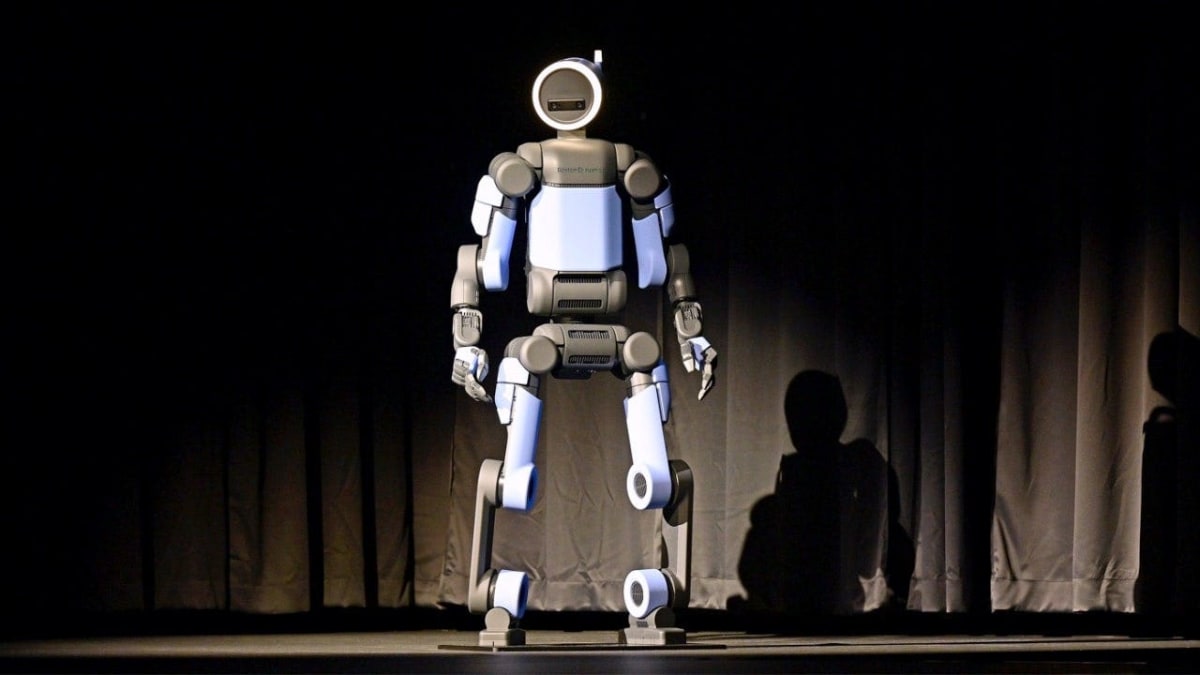
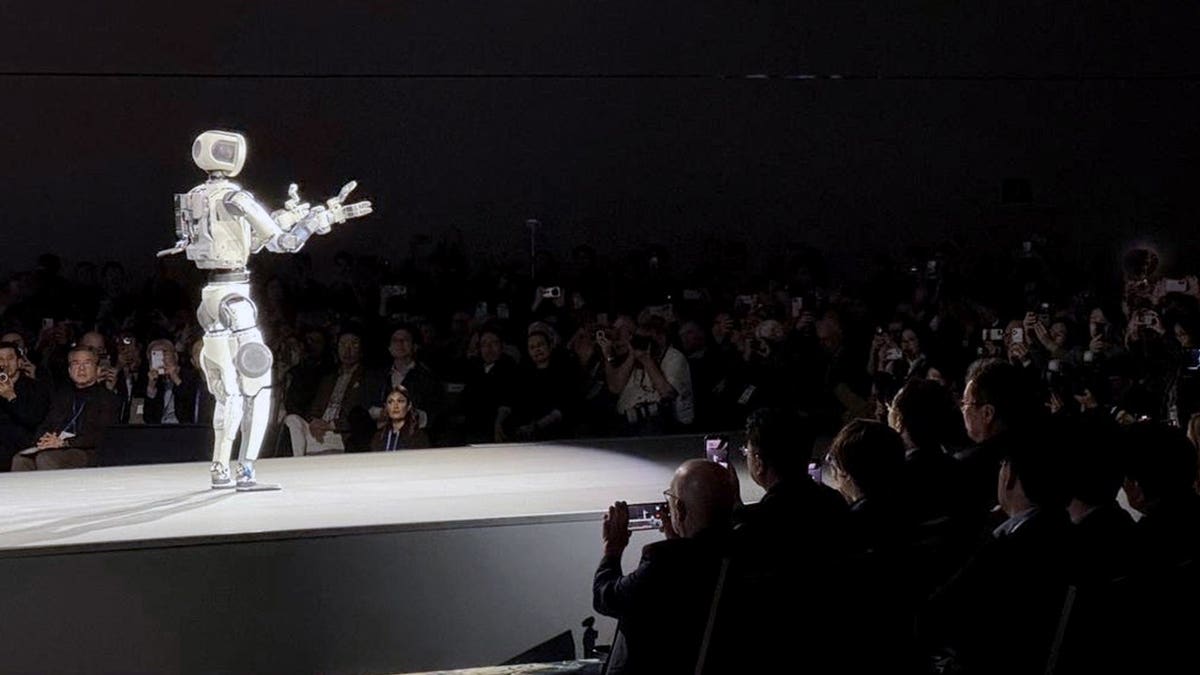
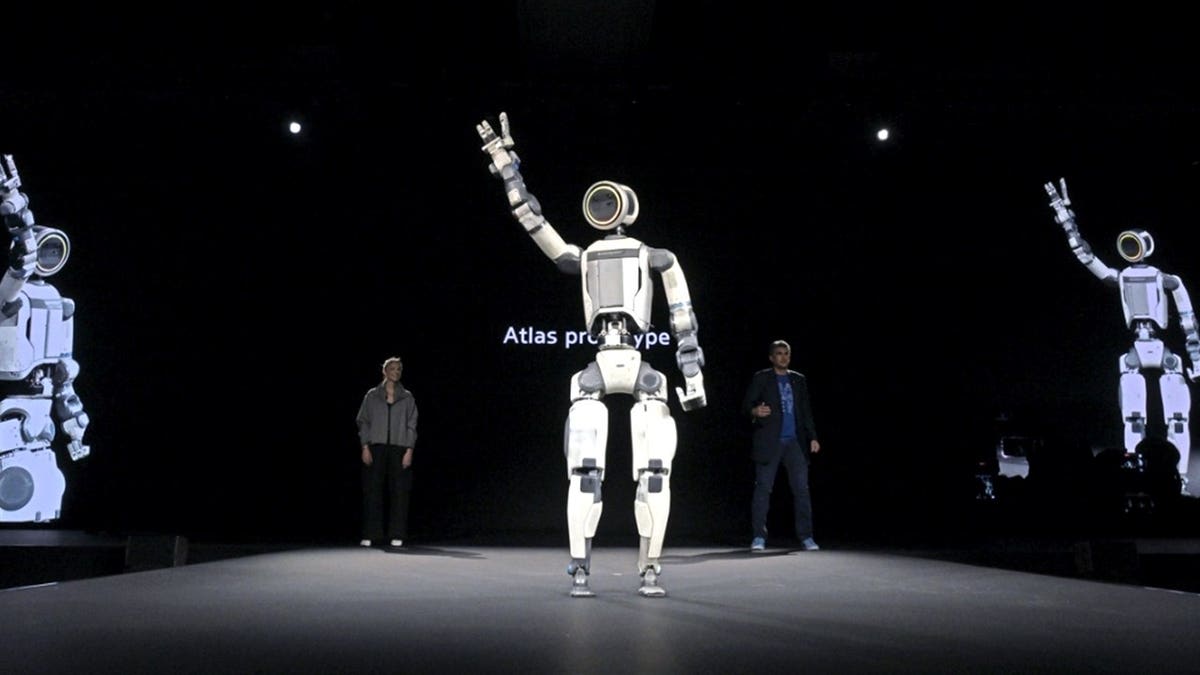
Hyundai Motor Group is turning that vision into reality. The automaker plans to bring more than 25,000 Boston Dynamics Atlas robots into its US factories, starting at the Georgia Metaplant in 2028 and expanding to Kia facilities in 2029.
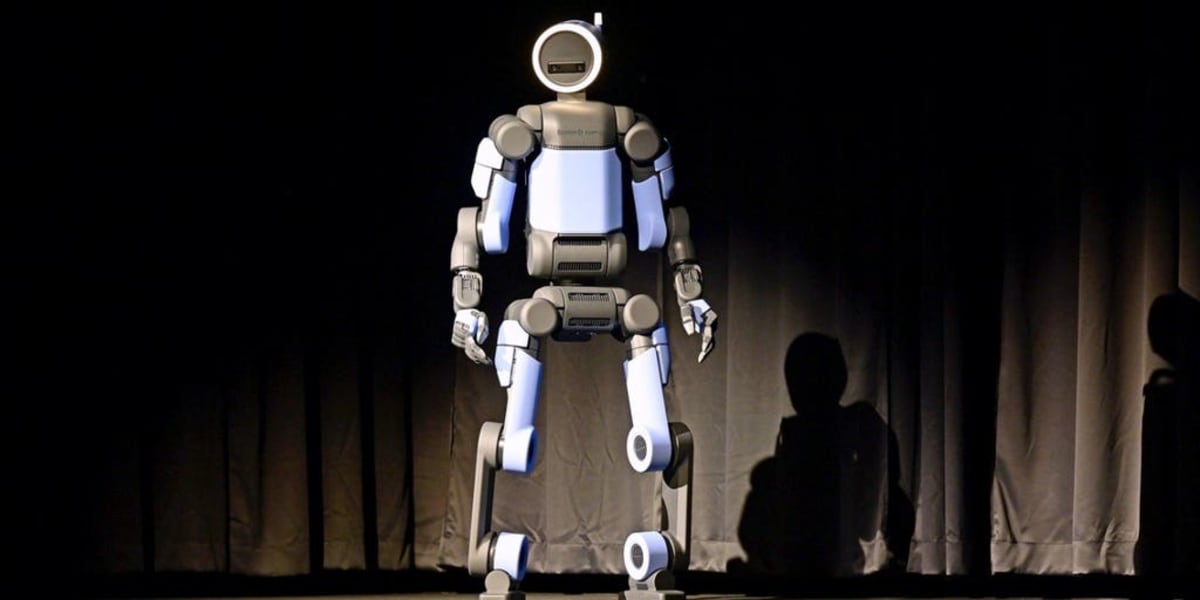
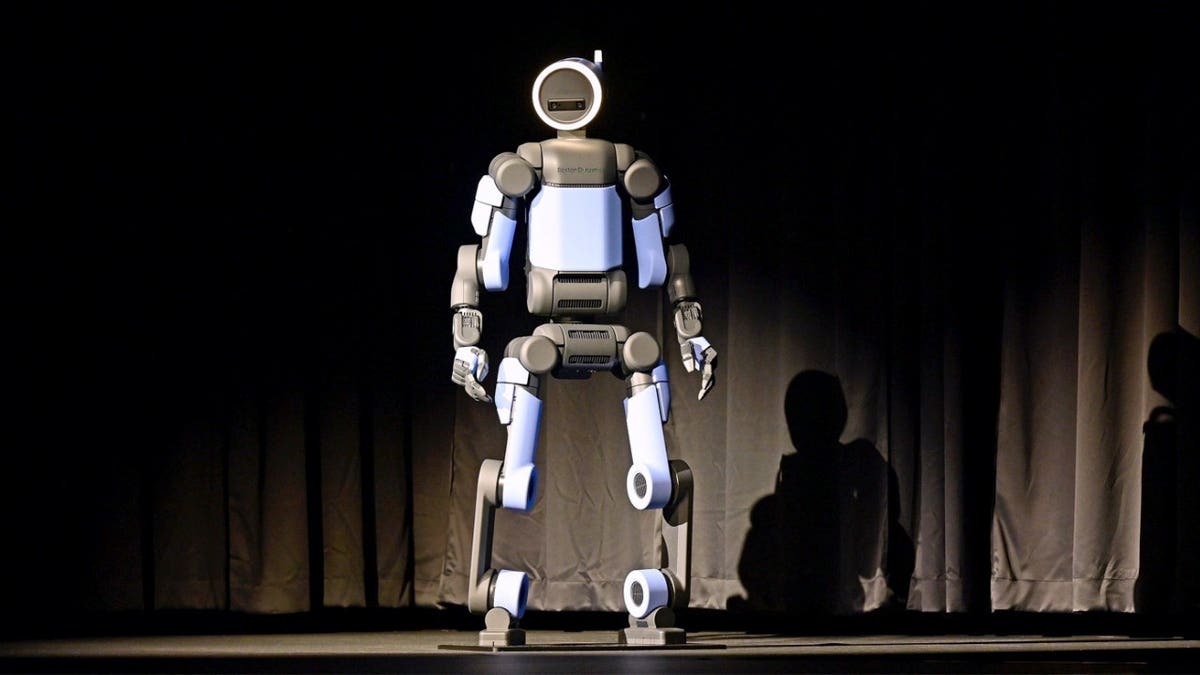
These aren't your typical factory robots bolted to assembly lines. Atlas stands upright, bends at the waist, and navigates spaces designed for people. It can lift heavy objects like mini-fridges, adjust its grip when weight shifts, and keep its balance on uneven surfaces.
Boston Dynamics trained Atlas using reinforcement learning, letting the robot practice thousands of times in computer simulations before working in real environments. The robot uses internal sensors to feel weight changes and adjust in real time, similar to how humans automatically shift their stance when carrying groceries.
Hyundai faces the same challenges as other automakers: labor shortages, the need for faster production, and worker safety concerns. Humanoid robots offer a solution because they fit into existing factory layouts without requiring complete rebuilds.
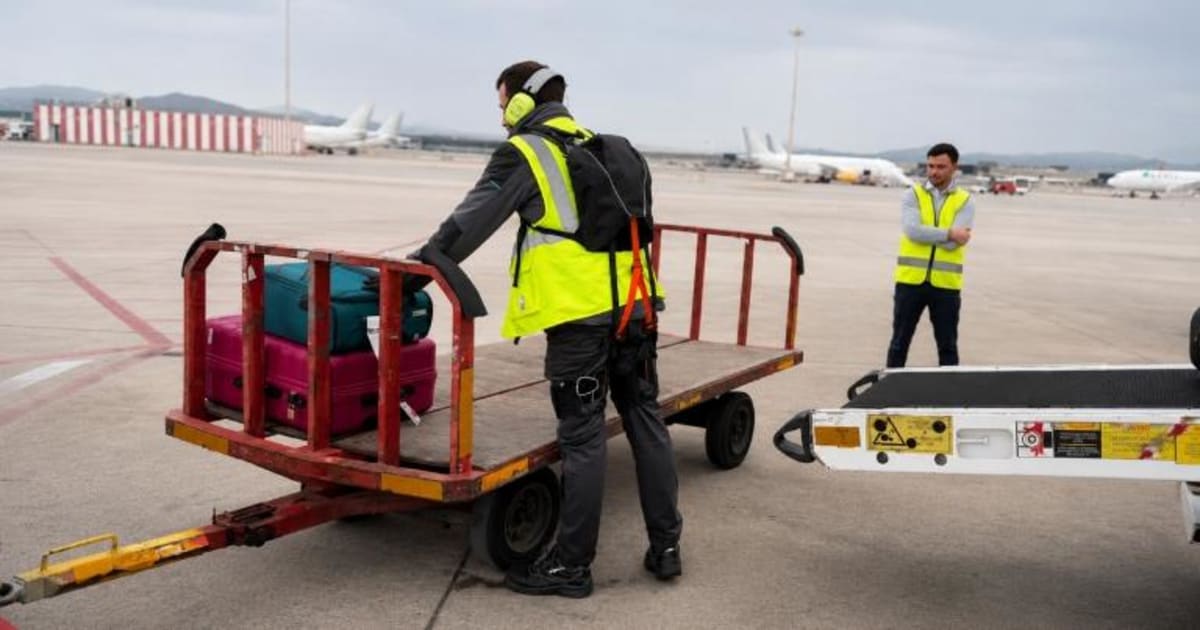
The robots will focus on physically demanding jobs that can cause injuries over time. Repetitive lifting, carrying awkward parts, and working in uncomfortable positions take a toll on human workers. By handling these tasks, Atlas could help reduce workplace injuries and strain.
The Ripple Effect
This shift will create thousands of new jobs that didn't exist before. Hyundai plans to manufacture 30,000 robots annually by 2028, producing more than 300,000 actuator units (the robot's joints and muscles) at US facilities. That means jobs in robotics assembly, quality control, programming, and maintenance.
Workers will need training to manage and work safely alongside humanoid robots. The company will need safety monitors, software specialists, and technicians who understand both traditional manufacturing and robotics. These roles typically offer better pay and safer working conditions than physically demanding assembly line positions.
The changes could also affect car buyers directly. If robots help factories adapt faster to changing demand, automakers can reduce wait times for popular models. More efficient production could also help stabilize vehicle prices during supply chain disruptions.
Hyundai hasn't released detailed workforce transition plans yet, and that transparency will be crucial. Workers deserve clear answers about retraining programs, job security, and how the company will support people whose roles change. Done thoughtfully, this transition could show other manufacturers how to modernize while protecting their workforce.
The future of American manufacturing looks like humans and robots working as teammates, each doing what they do best.
More Images
Based on reporting by Fox News Tech
This story was written by BrightWire based on verified news reports.
Spread the positivity!
Share this good news with someone who needs it