IBM Creates World's First Sub-1 Nanometer Chip
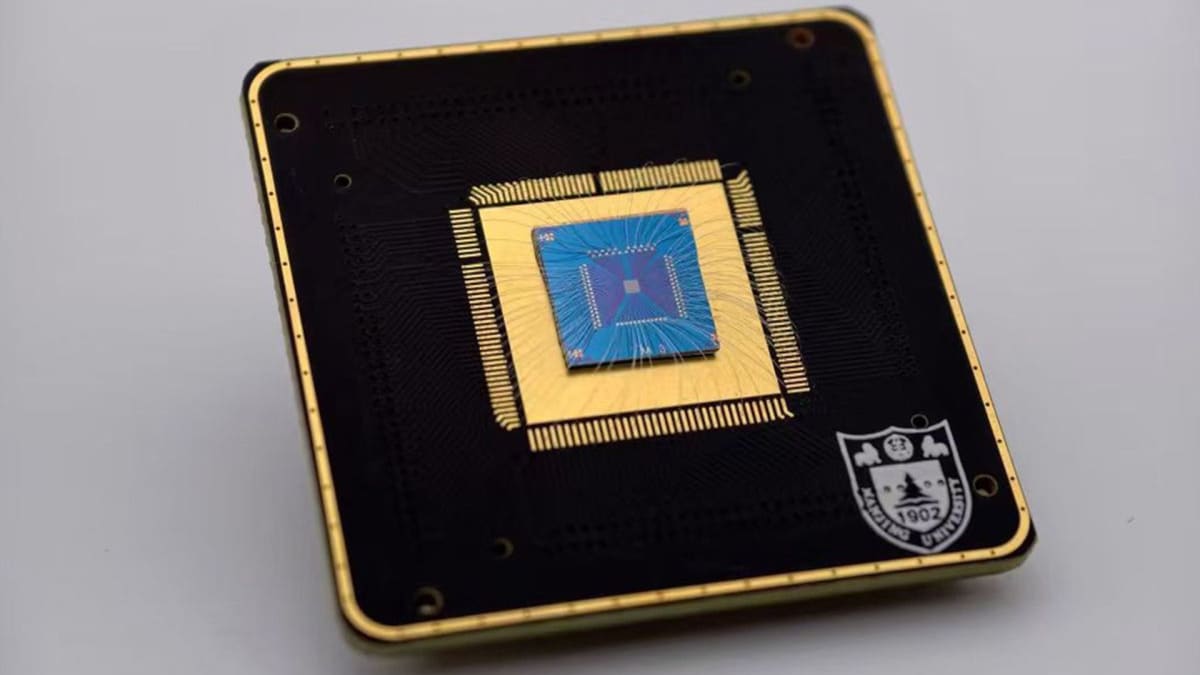
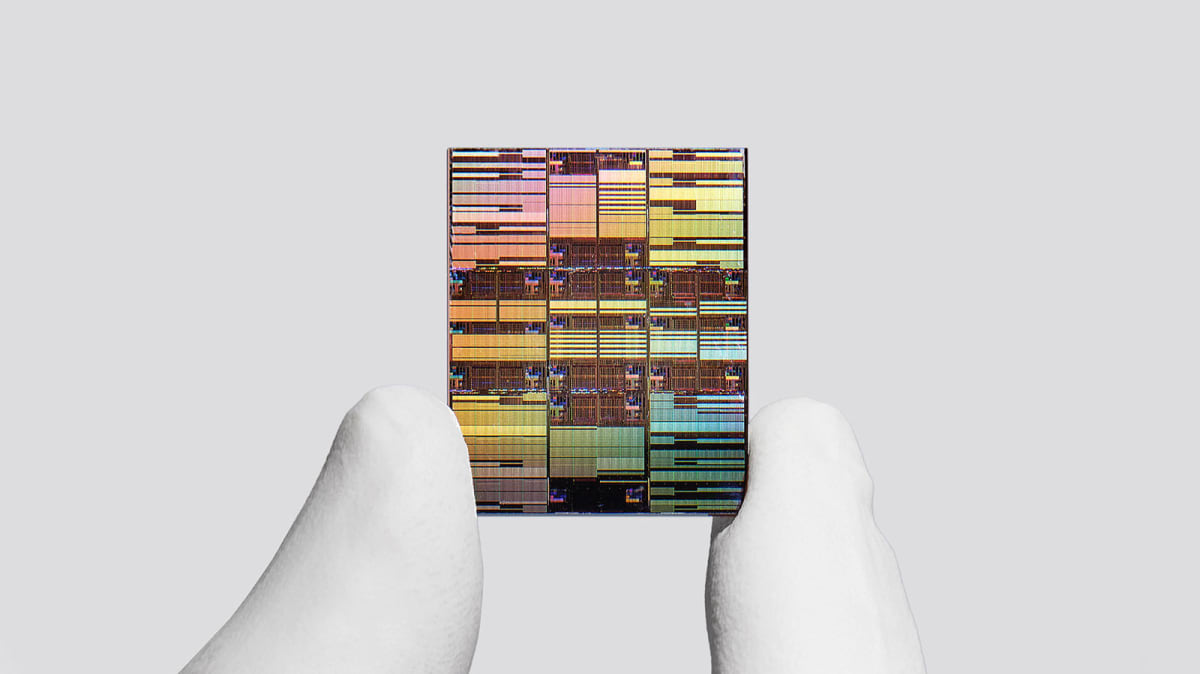
IBM just achieved what many thought impossible: a functioning computer chip smaller than a single nanometer, packing 100 billion transistors into a fingernail-sized piece of silicon. This breakthrough could mean laptops and phones that run twice as fast while using far less battery power.
IBM just shattered a barrier scientists have been racing toward for decades by creating the world's first sub-1 nanometer computer chip.
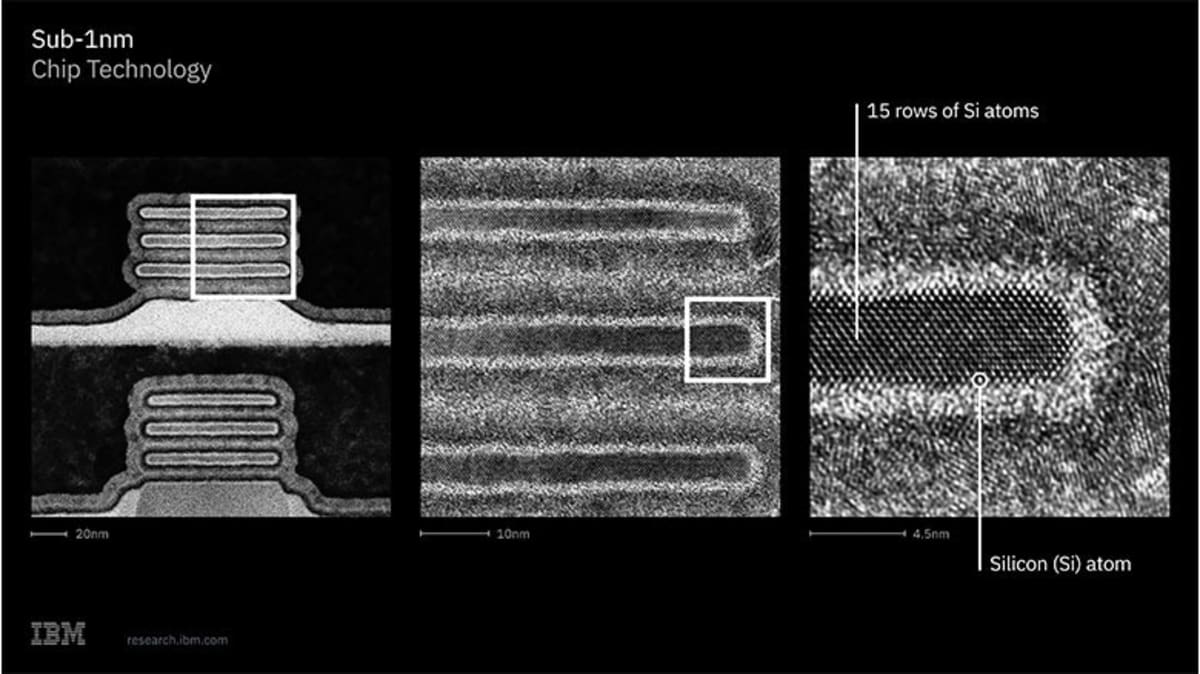
The tech giant's new chip measures just 0.7 nanometers, so tiny that it's measured in angstroms. To put that in perspective, each transistor contains nanosheets made of only 15 rows of silicon atoms.
This isn't just about bragging rights. The chip packs nearly 100 billion transistors into a space the size of a human fingernail, double the density of IBM's previous design from a few years ago. That means future devices could either run 50 percent faster or use 70 percent less energy than current technology.
Jay Gambetta, director of IBM Research, said the breakthrough enables "a future where computing becomes significantly more powerful without a corresponding increase in energy." For regular people, that translates to phones that last days on a single charge, laptops that never overheat, and data centers that don't guzzle electricity like they do today.
IBM achieved this feat through a clever innovation called "nanostack" architecture. The company built on its existing nanosheet transistor design but found a way to vertically stack and stagger the components, like building upward instead of outward when you run out of room.
The path to your pocket will take time. IBM estimates about five years before these chips enter mass production, though the company's Japanese partner Rapidus is already working to scale up production of the previous generation by late 2027.
The Ripple Effect
This breakthrough keeps Moore's Law alive for at least another decade. That decades-old prediction that chip power doubles roughly every two years has driven everything from smartphones to medical devices to climate modeling supercomputers.
The energy efficiency gains matter beyond convenience. As artificial intelligence and cloud computing consume growing shares of global electricity, chips that deliver more power while using less energy could significantly reduce the tech industry's carbon footprint. Data centers currently account for about 1 percent of worldwide electricity use.
The technology will also strengthen domestic chip manufacturing. IBM's partnership with Rapidus in Japan represents a push to diversify production beyond a handful of Asian facilities, making supply chains more resilient and keeping cutting-edge technology accessible.
IBM remains confident that nanostack architecture creates a clear roadmap for chipmakers to keep advancing for years to come, even as they approach the physical limits of silicon.
The future of computing just got smaller, faster, and more efficient than ever before.
More Images


Based on reporting by Engadget
This story was written by BrightWire based on verified news reports.
Spread the positivity!
Share this good news with someone who needs it