IBM's Atomic-Scale Chip Fits 100 Billion Transistors
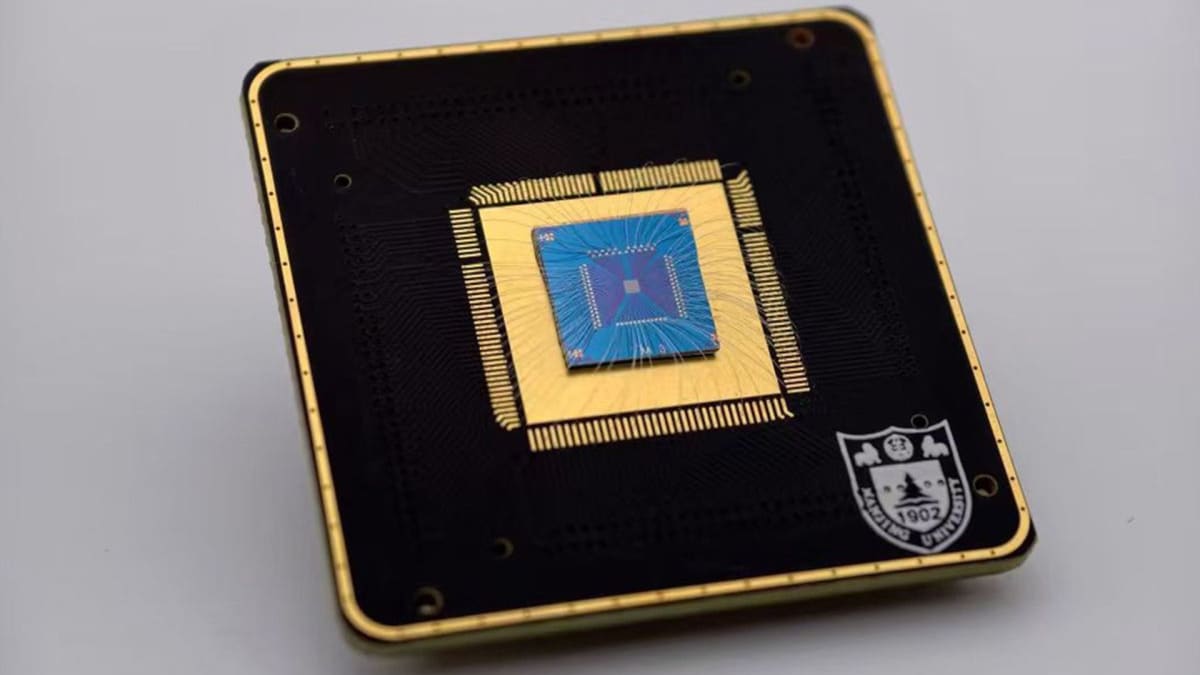
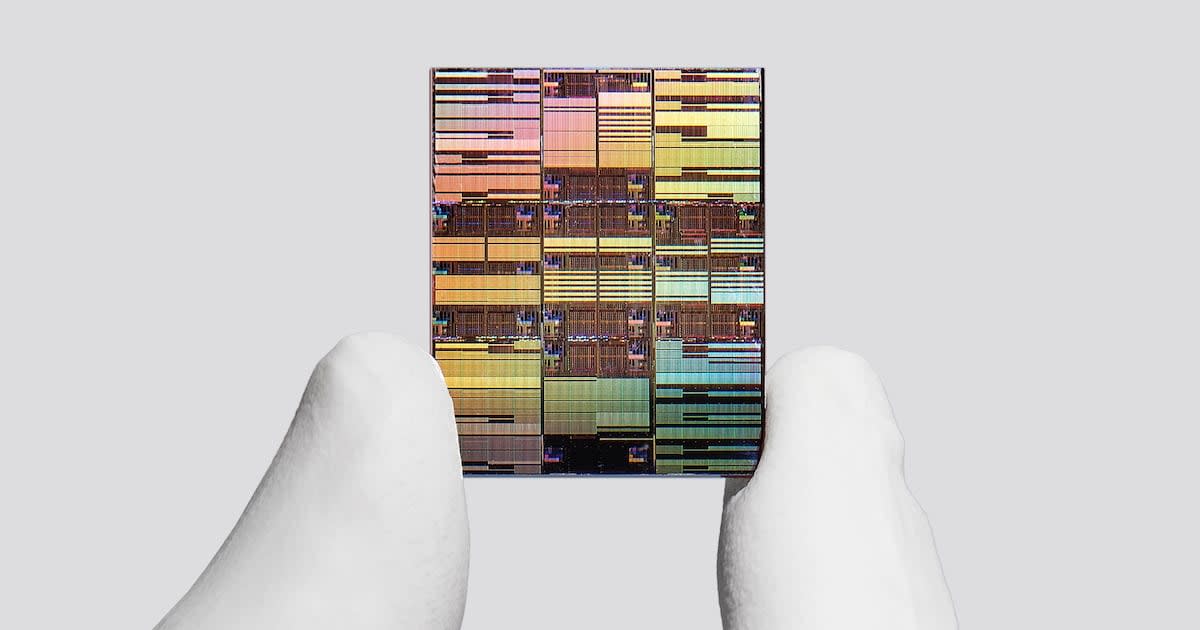
IBM just unveiled the world's first sub-1 nanometer chip technology, packing nearly 100 billion transistors onto a fingernail-sized space. The breakthrough could power the next generation of AI while dramatically cutting energy consumption.
IBM just cracked a code that seemed impossible: building computer chips at the scale of individual atoms.
The tech giant announced Thursday it has created the world's first sub-1 nanometer chip technology. To put that in perspective, a single human hair is about 80,000 nanometers wide.
These tiny powerhouses pack nearly 100 billion transistors onto a chip the size of your fingernail. That's more computing power in a smaller space than ever before achieved.
Jay Gambetta, director of IBM Research, called it a landmark moment. "We're not just making smaller transistors, we're reinventing how chips are built to deliver dramatically more power and energy efficiency," he explained.
The timing couldn't be better. Data centers running AI systems are placing enormous strain on power grids worldwide. These new chips promise to deliver the computing muscle AI needs while using far less electricity.
IBM expects the technology to reach production within five years. The company achieved this breakthrough through what it calls a "nanostack architecture," using new structural and material innovations that push beyond traditional limits.
This isn't IBM's first rodeo with semiconductors. The 115-year-old company, known as "Big Blue," helped develop the PowerPC architecture in the 1990s alongside Apple and Motorola. Today it focuses on AI cloud computing, quantum hardware, and cutting-edge research.
The announcement shows IBM isn't sitting on the sidelines while competitors like Nvidia dominate AI infrastructure. While Nvidia pivoted from graphics cards to become one of the world's most valuable companies, IBM has been quietly advancing the fundamental building blocks of computing.
The Ripple Effect
This breakthrough matters beyond just faster computers. As AI transforms everything from healthcare to climate research, the energy cost of running these systems has become a critical concern. More efficient chips mean researchers and companies can push AI further without building massive new power plants.
The technology also keeps alive Moore's Law, the observation that computing power doubles roughly every two years. Many experts thought we were hitting physical limits. IBM just proved there's still room to innovate at the atomic level.
Investors took notice too. IBM's stock jumped 4 percent to $268.85 the day after the announcement, rewarding the company's commitment to next-generation research.
The chip represents decades of materials science, physics, and engineering coming together to solve what seemed like an impossible puzzle. It shows that even after a century in business, companies can still reinvent themselves and push technology into entirely new territory.
Five years from now, the AI systems running on these atomic-scale chips could tackle challenges we haven't even imagined yet.
More Images


Based on reporting by Google News - Innovation Technology
This story was written by BrightWire based on verified news reports.
Spread the positivity!
Share this good news with someone who needs it