Ice Age Survivors: Lost Human Lineage Found in China
Scientists discovered a previously unknown human lineage near Beijing that survived the Ice Age, rewriting our understanding of how ancient societies adapted. DNA evidence shows these hunter-gatherers didn't vanish but gradually transformed over thousands of years.
Deep in the archaeological records near Beijing, researchers have uncovered evidence of a human lineage that refused to disappear when the Ice Age ended 11,000 years ago.
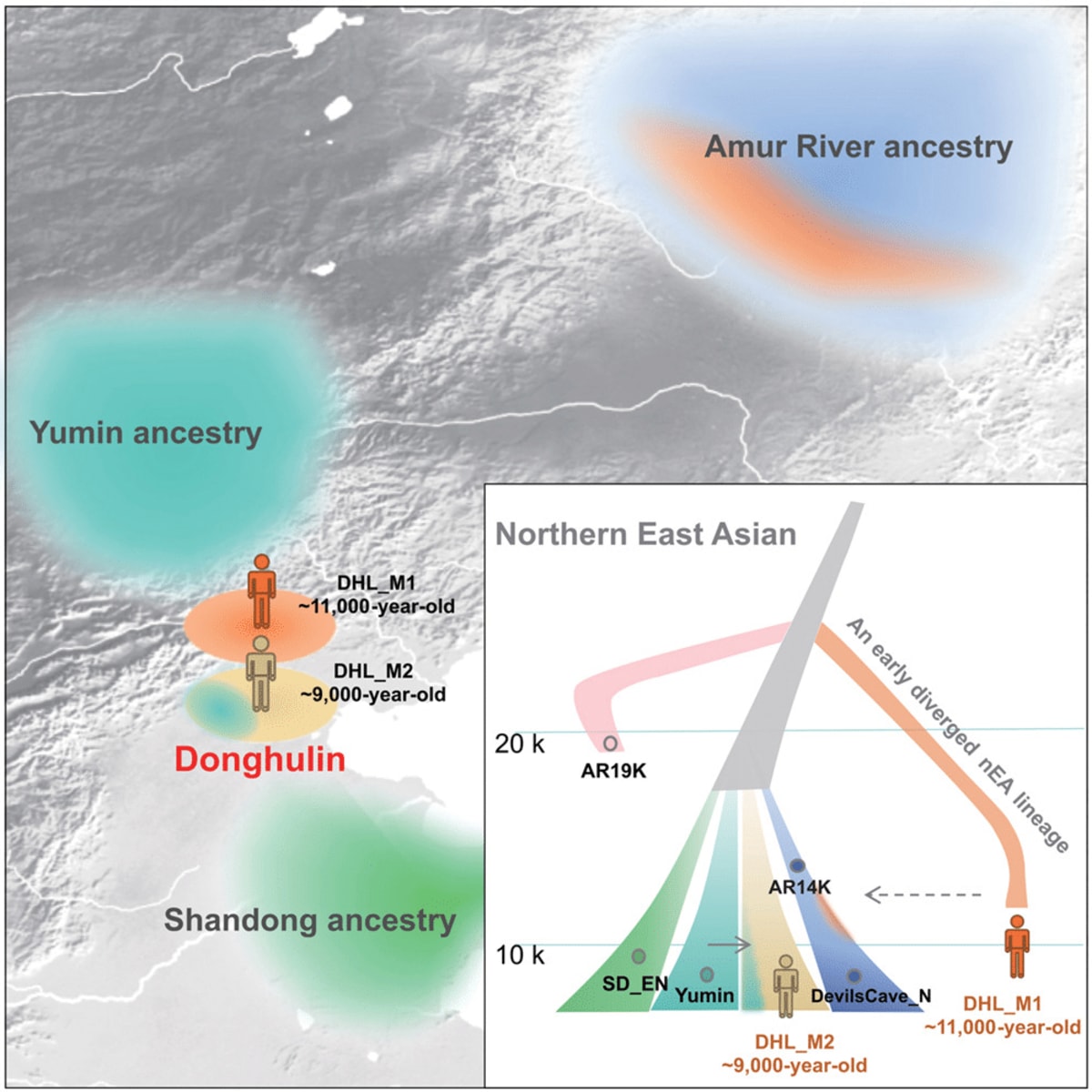
For years, scientists assumed that ancient hunter-gatherers in East Asia were quickly replaced by farming communities as the climate warmed. New DNA analysis from the Donghulin site has proven that assumption wrong.
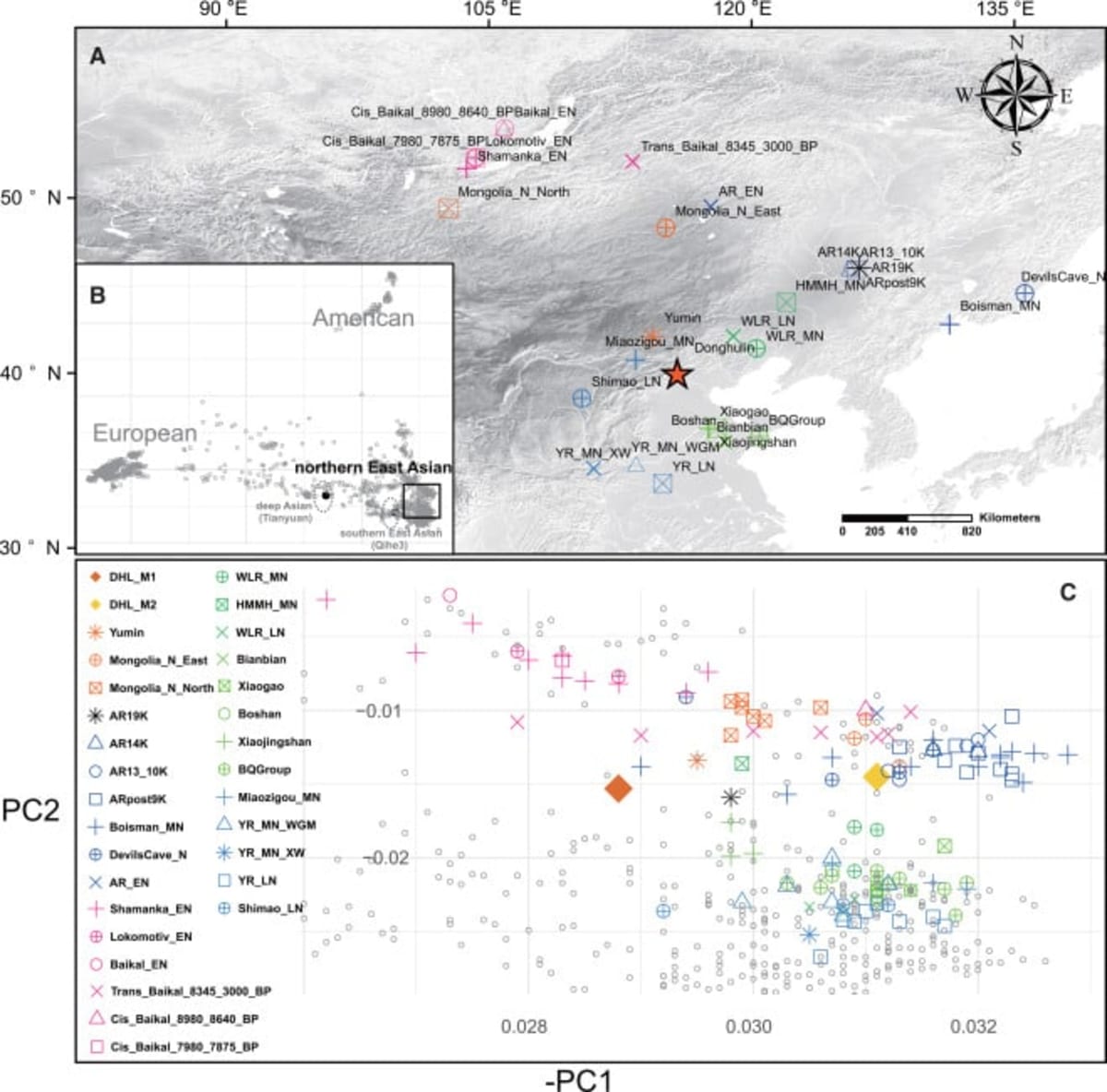
Researchers sequenced the genomes of two individuals who lived at Donghulin between 9,500 and 11,000 years ago. The DNA of one woman, known as DHL_M1, revealed a completely unknown genetic lineage distinct from other northern East Asian populations.
This discovery means some Ice Age populations didn't vanish or flee. They adapted, survived, and gradually changed their way of life over millennia.
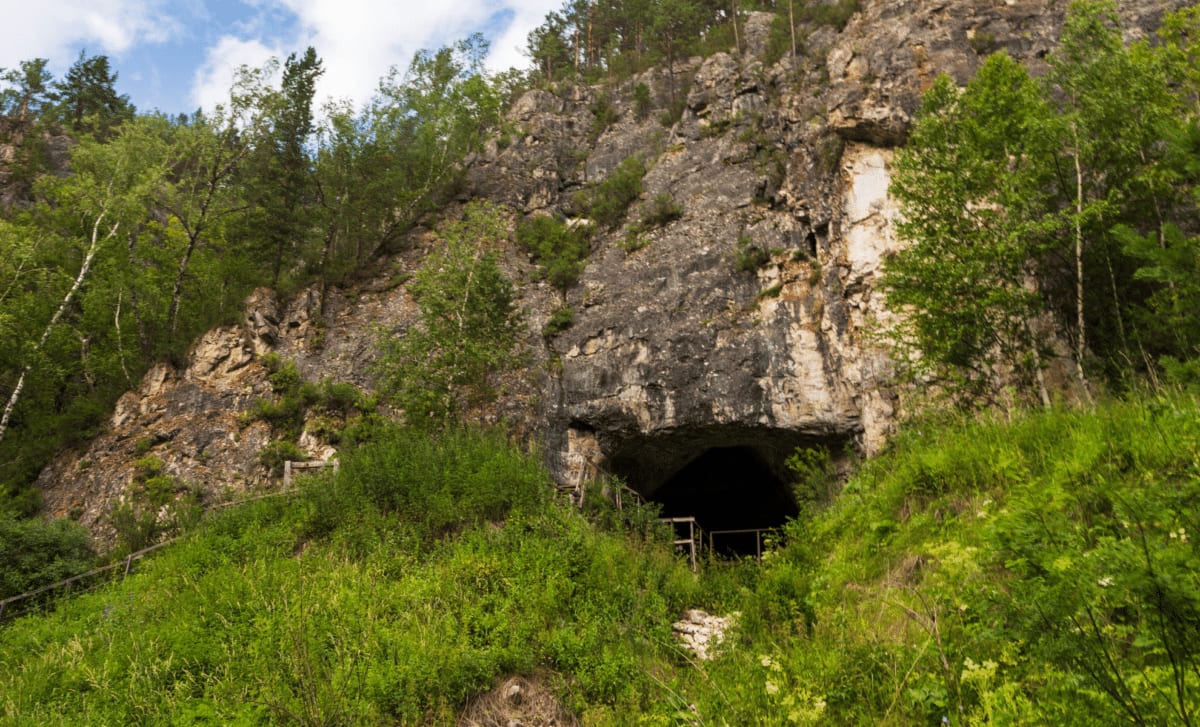
The Donghulin site sits at a unique point in human history, bridging the gap between nomadic Ice Age hunters and the first settled farmers. Archaeologists found durable dwellings, pottery fragments, and early evidence of millet farming all in one location.
What makes this finding remarkable is how it challenges the standard story of human progress. Instead of dramatic cultural upheaval with newcomers replacing older populations, the evidence points to something gentler and more gradual.
Why This Inspires
This discovery reveals the incredible resilience of human communities facing massive environmental change. These ancient people didn't just survive when their world transformed around them. They held onto their identity while learning new skills and adapting to new realities.
The research shows that cultural evolution doesn't have to mean erasure. Communities can transform while maintaining continuity with their past, blending old knowledge with new practices over generations.
The Donghulin findings represent just one puzzle piece in understanding how our ancestors navigated climate change and cultural shifts. Each new sample researchers analyze adds depth to this story of human adaptability.
This ancient lineage proves that survival often means flexibility, not replacement, and that our ancestors were far more resilient than we imagined.
More Images

Based on reporting by Google News - Scientists Discover
This story was written by BrightWire based on verified news reports.
Spread the positivity!
Share this good news with someone who needs it