IEEE's Traveling Museum Brings Engineering History to Life
A new traveling museum is making engineering history accessible and emotionally moving for people across America. The IEEE Global Museum showcases rare artifacts like a 1918 radio prototype and the first "brick" cellphones, helping visitors connect with the innovations that changed our world.
Engineering history isn't gathering dust in storage anymore. Thanks to the IEEE Global Museum, rare technological treasures are traveling to communities across the United States, sparking wonder and nostalgia in everyone who encounters them.
The program launched in 2024 when IEEE historians realized they had something special: a collection of donated artifacts from engineers and collectors that told humanity's technology story. Instead of keeping them locked away, they created traveling exhibits that visit conferences, libraries, universities, and museums.
"People tell me that they are genuinely moved by having history and artifacts explained to them in an accessible, intelligible way," says Daniel Jon Mitchell, director of heritage programs at IEEE. "When people are moved and emotionally affected by what you're doing, they're going to remember that."
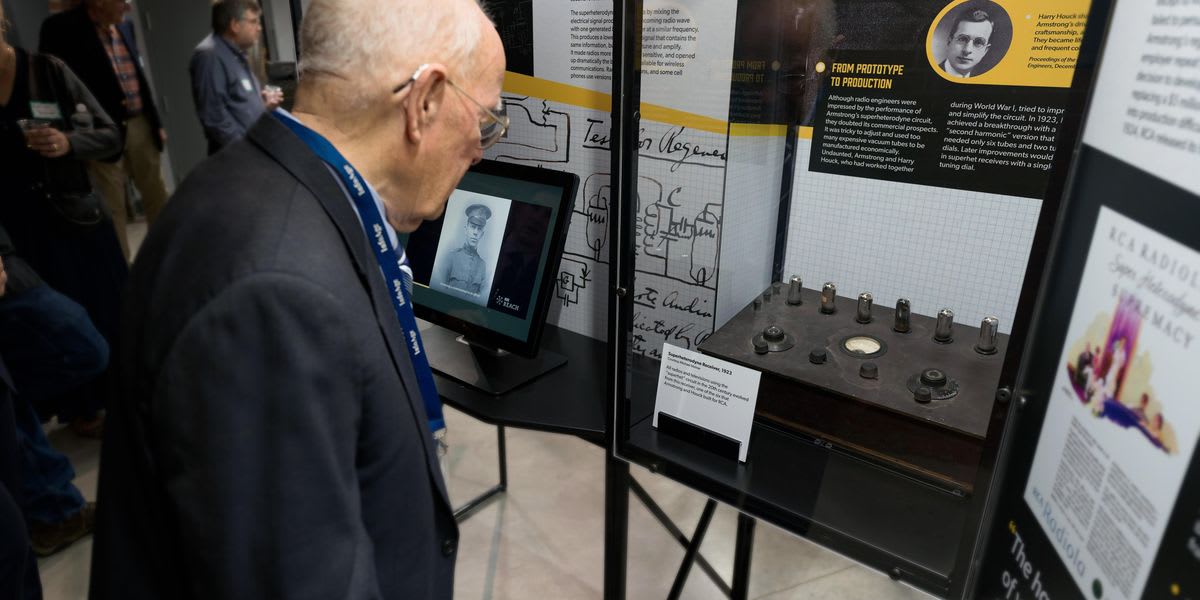
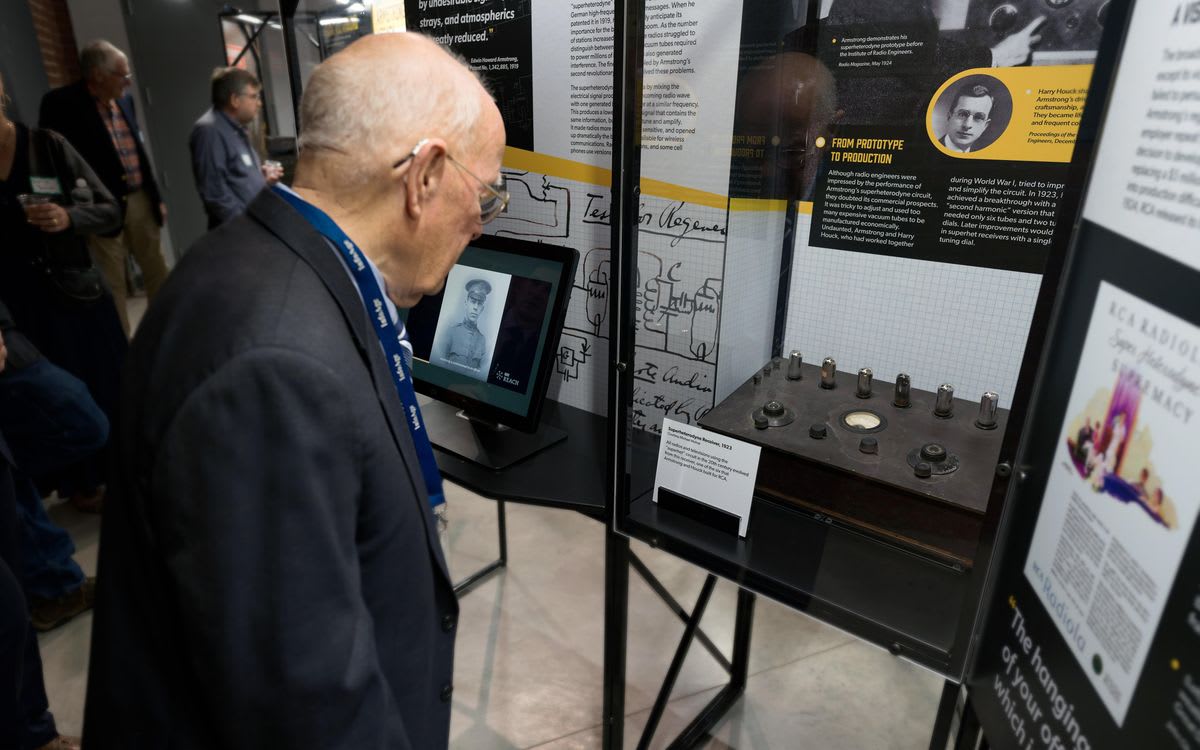
The flagship exhibit celebrates radio pioneer Edwin Howard Armstrong, who received the first IEEE Medal of Honor in 1917 for inventing FM radio technology. At its heart sits one of only six superheterodyne radio prototypes Armstrong created, a device that made modern wireless communication possible by converting radio frequencies into usable signals.
Visitors can listen to 15 clips of historic radio broadcasts covering everything from sports to politics. The exhibit also features quirky artifacts like radio-themed flour sifters and laxatives that cashed in on radio's 1920s popularity, plus a Motorola Walkie-Talkie from the Korean War.
Another exhibit stirred powerful memories at April's IEEE Honors Ceremony in New York City. The Microchips That Shook the World display featured a Commodore 64 home computer, instantly transporting guests back to their childhoods.
The museum also partners with engineering societies to celebrate their milestones. For the 75th anniversary of the IEEE Vehicular Technology Society, Mitchell curated Our Mobile World, showcasing the original Motorola DynaTac "brick" cellphone, 1980s CB radios, and early handheld GPS receivers.
The Ripple Effect
These traveling exhibits do more than display old gadgets. They show how engineers build on past achievements to solve today's problems, inspiring the next generation of innovators while helping everyone appreciate the ingenuity behind devices we use daily.
The Armstrong exhibit is currently at the Pavek Museum in St. Louis Park, Minnesota, through August 15. From November, it moves to the Museum of Innovation and Science in Schenectady, New York, where it will stay until May 2027. IEEE members get free entry with their digital membership cards.
The program proves that when you make history accessible and tell the human stories behind breakthroughs, people connect with the past in powerful new ways.
More Images
Based on reporting by IEEE Spectrum
This story was written by BrightWire based on verified news reports.
Spread the positivity!
Share this good news with someone who needs it