IIT Grads Build India's First 3D-Printed Army House
Three engineers from IIT Gandhinagar are revolutionizing construction with 3D printing technology that builds earthquake-resistant homes in weeks instead of months. Their startup MiCoB just delivered India's first 3D-printed military housing unit to the Indian Army.
📺 Watch the full story above
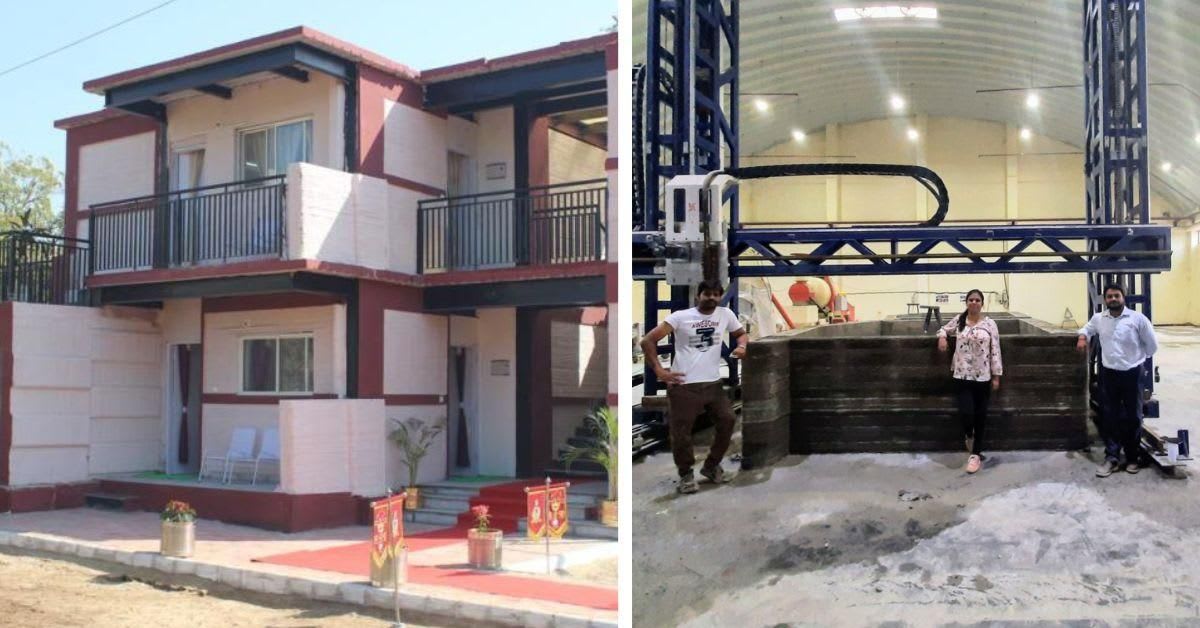
The Indian Army inaugurated something remarkable last December: a two-story house for soldiers built almost entirely by a giant 3D printer.
The earthquake-resistant structure in Ahmedabad took just 12 weeks to complete. For context, a traditional home of similar size typically takes six months or more.
Behind this breakthrough is MiCoB, a startup founded by three IIT Gandhinagar graduates who believed India's construction industry was ready for a revolution. Shashank Shekhar, Ankita Sinha, and Rishabh Mathur started the company in 2018 after witnessing China use similar technology to build 10 houses in a single day.
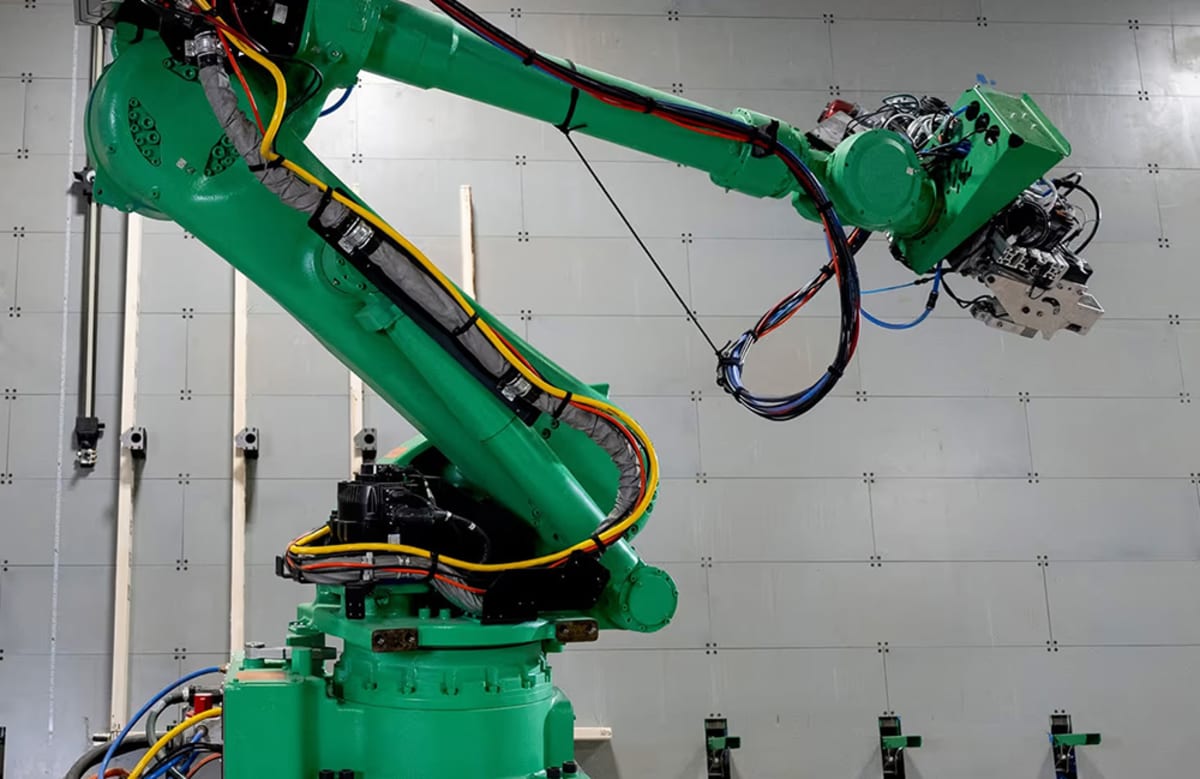
The process works like a massive desktop printer, but instead of ink, it deposits layers of concrete according to a digital design. Steel columns provide structural support while walls are printed layer by layer, with hollow cavities built in for better insulation.
"Construction has evolved in the past 100 years, but 3D printing is going to change the way construction is done," says Shekhar, the 31-year-old CEO. The technology eliminates the need for traditional formwork and reduces dependence on manual labor, two major bottlenecks in Indian construction.
The advantages go beyond speed. These 3D-printed walls weigh 40 percent less than traditional brick walls, dropping from 1,800 kg to 1,100 kg per cubic meter. The structures can last up to 200 years and meet zone-3 earthquake specifications.
Cost savings are substantial too. Research shows 3D-printed construction runs 10 to 25 percent cheaper than conventional methods. The technology also enables curved walls and custom designs at no extra cost, something that would be expensive or impossible with traditional techniques.
MiCoB has already delivered 30 bunkers and three building structures for India's defense forces across six locations, from Visakhapatnam to Arunachal Pradesh. A typical 2,000 square foot, four-bedroom home takes about three months to complete.
The 3D printer handles approximately 30 percent of the work, specifically the foundation, walls, and slabs. Workers still complete electrical systems, plumbing, tiling, and painting the conventional way.
The Ripple Effect
This technology could transform housing in remote and disaster-affected areas where traditional construction is slow or impractical. The ability to quickly establish structures makes it valuable for military bases, post-disaster relief, and low-income communities that need affordable housing fast.
The startup's work proves that India can lead in construction innovation, not just follow. As climate challenges increase and housing needs grow, solutions that build faster, cheaper, and stronger matter more than ever.
Three engineers with a vision are showing that the future of construction might just be printed.
More Images
.png)
%2Fenglish-betterindia%2Fmedia%2Fpost_attachments%2Fuploads%2F2023%2F05%2Fmicob-1684935265.jpg)


Based on reporting by The Better India
This story was written by BrightWire based on verified news reports.
Spread the positivity!
Share this good news with someone who needs it