Illinois Sheep Flock 35 Acres of Solar Panels for Pay
Farmers in Illinois are earning money by grazing sheep beneath solar panels, proving clean energy and agriculture can thrive together. This growing practice saves solar companies money while giving farmers new income from land that still produces food.
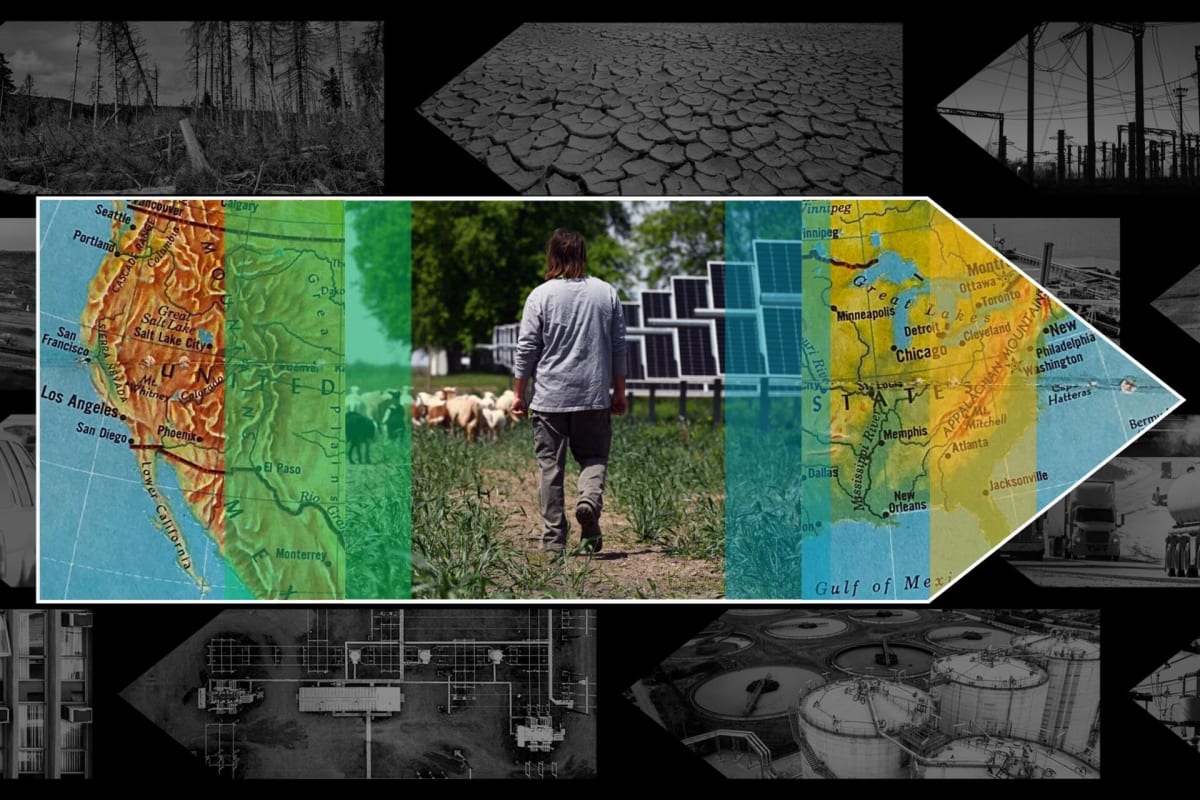
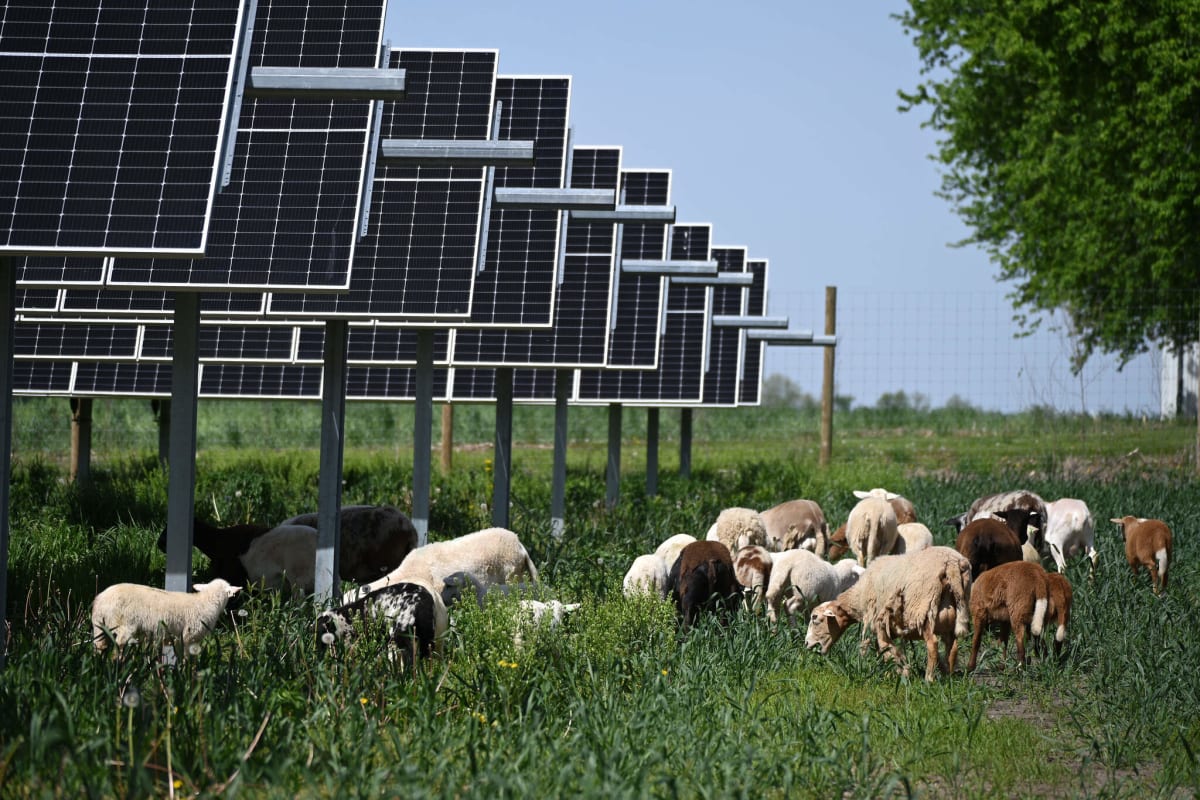
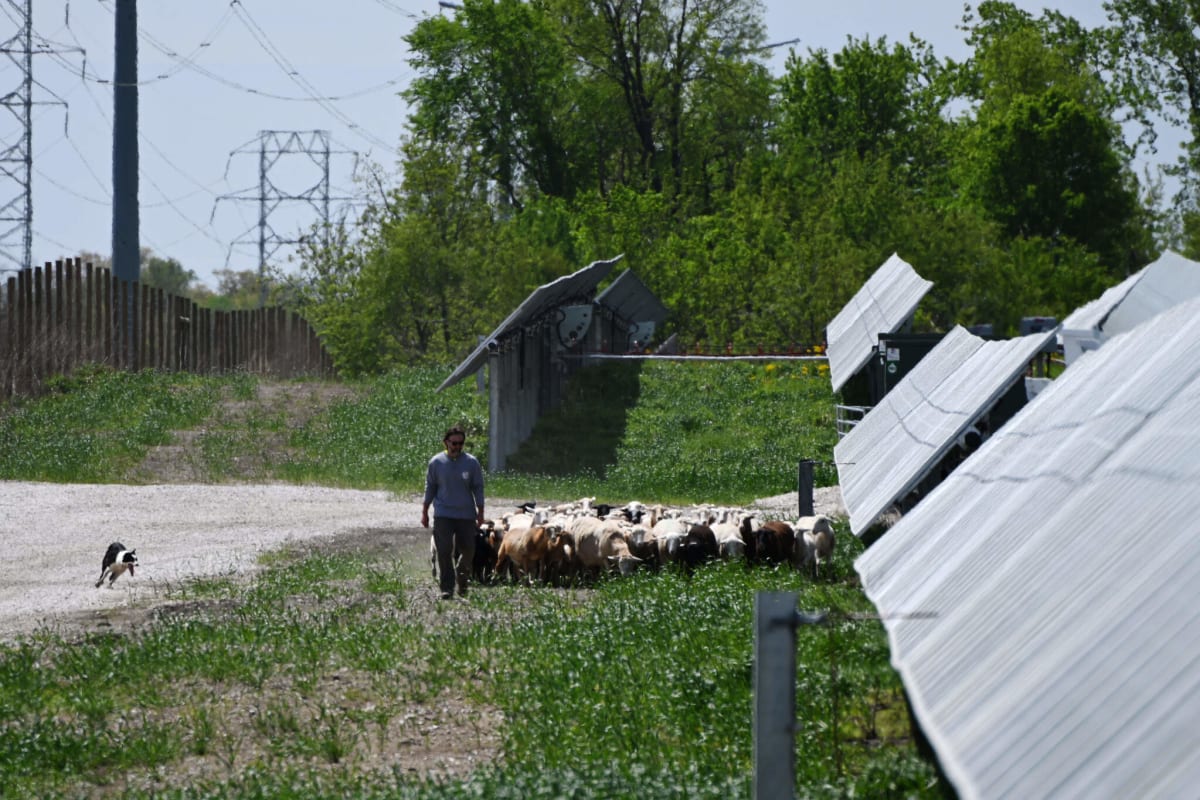
Bryant Parker opens his trailer gate in Dunlap, Illinois, and watches 75 sheep bound toward an unusual pasture: 35 acres of solar panels. The sheep don't seem to notice the rows of clean energy equipment overhead as they happily munch grass beneath them.
Parker runs Tin Can Farms with his wife Jessica and had been looking for more grazing land when solar farms started popping up around central Illinois. He kept staring at all that grass growing between the panels and saw an opportunity.
After cold-calling solar companies, he found Pivot Energy willing to let his flock handle their lawn care. Now Parker fattens his lambs on someone else's grass and gets paid for it.
The arrangement works because solar farms need vegetation for erosion control, but can't let it grow so high it shades the panels and reduces energy production. Sheep strike the perfect balance, and they cost 10 to 15 percent less than mechanical mowing.
This practice, called agrivoltaics, is booming across America. At least 113,050 sheep now graze about 129,000 acres of solar sites nationwide, turning what could be wasted space into productive farmland.
The Ripple Effect
For landowners, the benefits go beyond lawn care. Pivot Energy signed a 20-year lease paying several times more than corn and soybeans earned on the same land. With farming costs rising and crop prices falling, many rural landowners welcome the income boost.
The 7.1-megawatt solar farm where Parker's sheep graze now powers about 1,200 homes while still supporting agriculture. His fellow Illinois farmers Brooke and Chauncey Watson IV started their own solar grazing business and encourage others to pitch services before developers break ground.
Community-scale solar farms are expanding fast in Illinois thanks to state incentives. Pivot Energy has developed dozens of similar projects combining clean power with farming, and almost all include agricultural use.
The dual approach helps address community concerns about losing farmland to solar development. While 1.25 million acres of U.S. farmland have been converted to solar, that's less than half of one percent of total farmland and equals what's lost annually to urban sprawl anyway.
Paul Mwebaze, an economist at the University of Illinois, notes that agrivoltaics eases opposition by proving solar and agriculture can coexist. He's watched the question come up repeatedly at county public hearings about new solar projects.
Between 2012 and 2020, 70 percent of Midwest solar farms were built on cropland, but federal agriculture data shows little overall effect on regional farming. The number keeps growing as more farmers discover they can earn income from both sunshine and sheep.
More Images
Based on reporting by Google News - Clean Energy
This story was written by BrightWire based on verified news reports.
Spread the positivity!
Share this good news with someone who needs it