India Builds Its First Lithium Battery Cathode Factory
A Hyderabad startup is tackling India's total dependence on imported battery materials by building the country's first cathode manufacturing facility. Altmin's move could reshape how India powers its growing electric vehicle market.
India assembles batteries but imports the most expensive part inside them, and one young company is changing that equation.
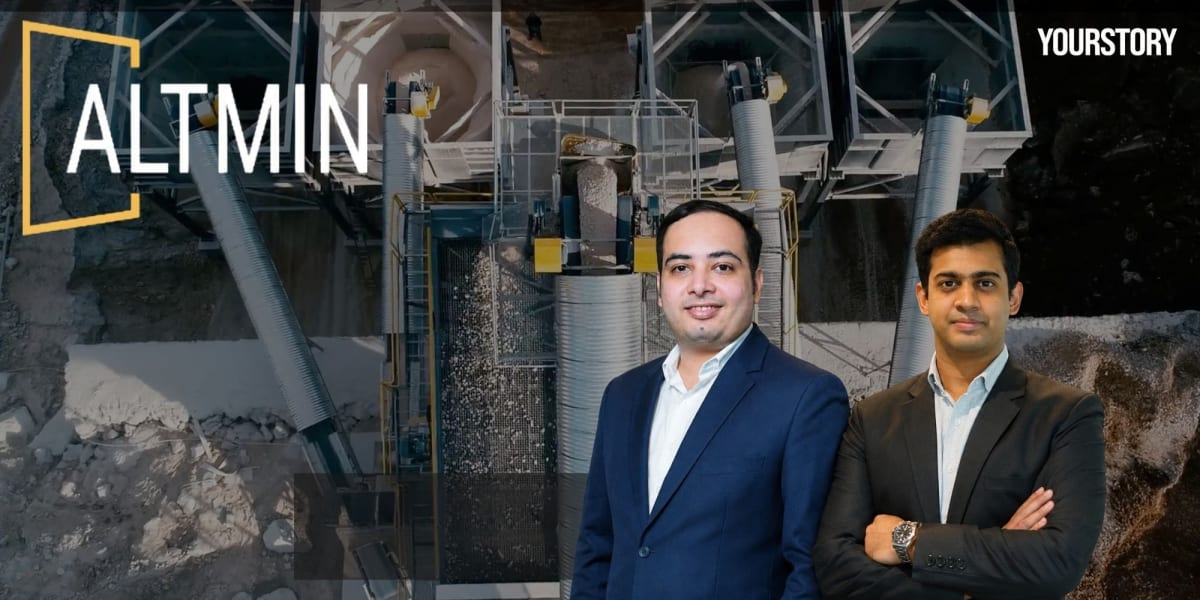
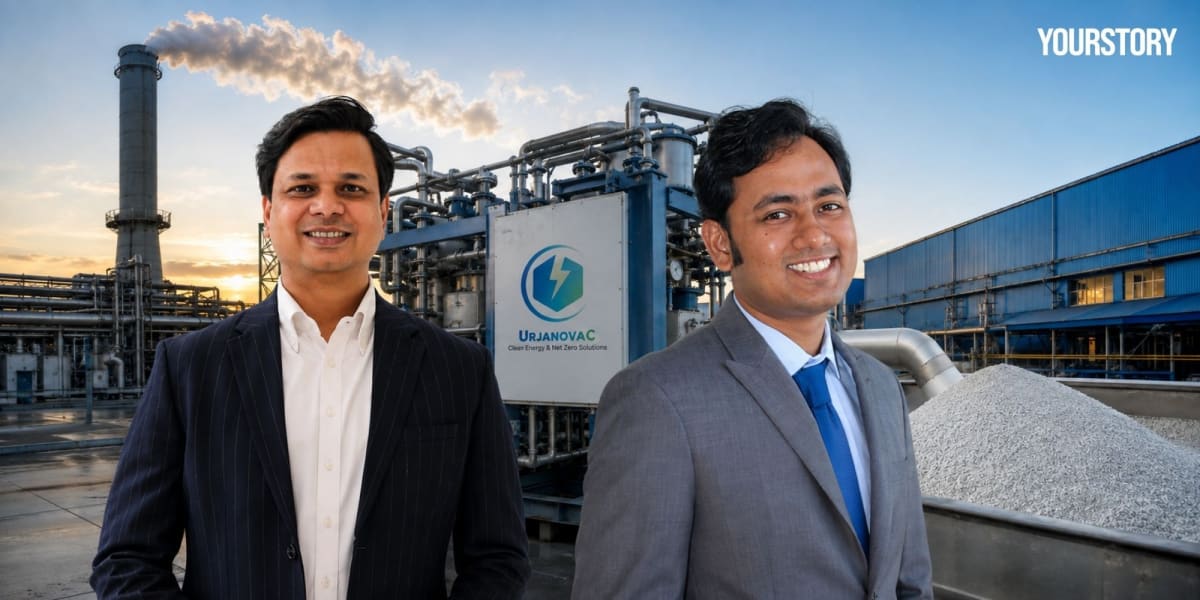
Altmin launched in 2023 with a bold goal: manufacture the cathode powders that make up most of a lithium battery's cost and capacity. Right now, every Indian battery plant ships those materials in from overseas. Founders Anjani Sri Mourya Sunkavalli and Kiriti Varma partnered with a government research center to prove their concept at a pilot plant producing 100 kilograms daily.
In March 2025, they broke ground on something much bigger. The new factory in Divitipally, Telangana spans 20 acres and will cost $88 million in its first phase. The company plans to produce 100,000 tonnes annually by 2030, targeting a late 2026 launch.
The chemistry matters as much as the location. Altmin focuses on lithium iron phosphate, or LFP, which stores less energy than alternatives but costs less and lasts longer. That makes it perfect for India's actual market: electric scooters, buses, and grid storage.
Unlike competitors who buy refined lithium and process it, Altmin plans to work from raw ore through finished powder. They've signed deals to source lithium from Bolivia's state company and reportedly acquired a refinery in Brazil. In September 2025, they became the first Indian project listed with the Minerals Security Partnership, a US-led alliance working to diversify critical mineral supplies.
The most surprising validation came in December 2025. Singareni Collieries, a century-old coal mining giant owned by state and federal governments, announced a joint venture with Altmin to build a battery-grade lithium refinery. The coal miner employs over 40,000 people and sees battery materials as its future as coal demand flattens.
The Ripple Effect
India's electric vehicle market is growing fast, but depending entirely on imported battery materials leaves manufacturers vulnerable to supply disruptions and price swings. Domestic cathode production means more stable costs, faster delivery times, and jobs in advanced manufacturing instead of just assembly work.
The country has announced cell assembly plants across its landscape, but cells are only as Indian as their components. Altmin's approach of controlling the supply chain from ore to powder could help India move from assembling foreign technology to actually making it.
The facilities aren't producing yet, and the company has raised only about $3.6 million in actual funding so far. But the partnerships with government miners and international suppliers suggest serious institutional backing beyond the dollar amounts.
By 2030, India could be manufacturing the heart of its own batteries instead of importing every gram.
More Images


Based on reporting by YourStory India
This story was written by BrightWire based on verified news reports.
Spread the positivity!
Share this good news with someone who needs it