India Builds Its Own Solar Power Supply Chain
India is transforming from a solar panel importer into a global manufacturing powerhouse. The shift could reshape the clean energy industry worldwide.
For years, India installed solar panels faster than almost any country on Earth, but nearly every component came from overseas. Now the nation is building its own solar manufacturing empire from the ground up.
India's solar boom created an uncomfortable reality. Factories could assemble panels, but the cells, wafers, and raw materials all came from abroad. One supply chain disruption could stall the entire green energy transition.
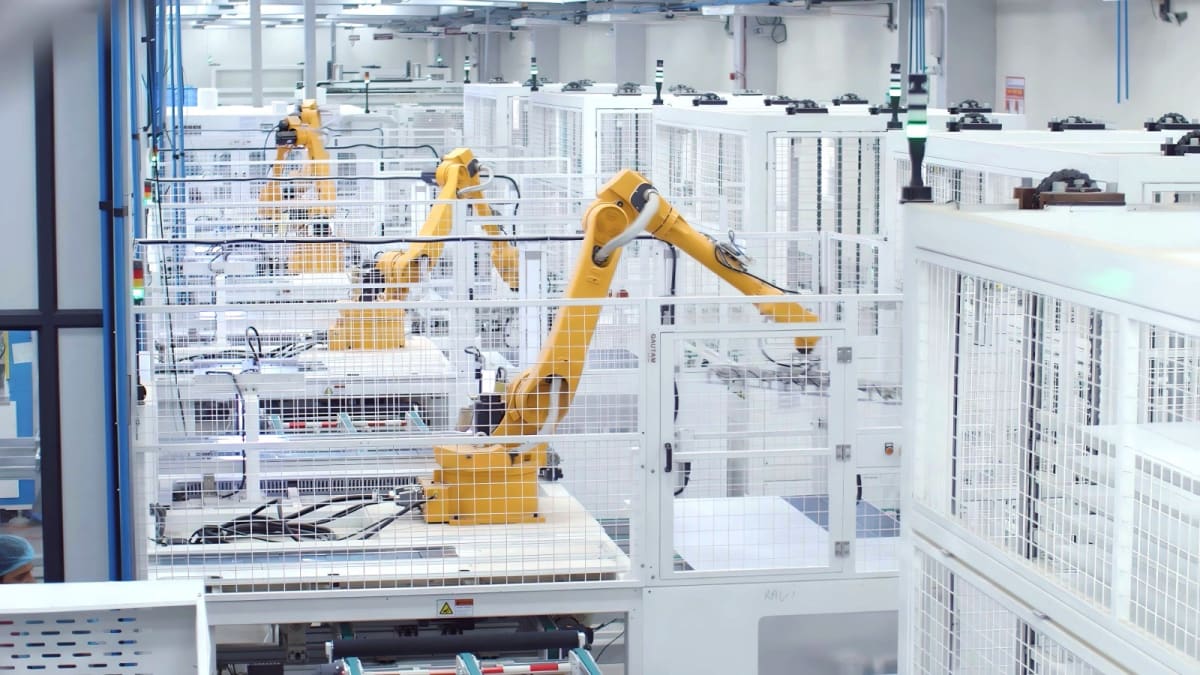
The government launched the Production-Linked Incentive scheme to change that equation. Instead of rewarding basic assembly, the program pays companies to build factories that handle every step of production. Financial backing flows to manufacturers who develop real technological capacity, not just screwdriver plants.
Policymakers added teeth to the incentives with strict sourcing rules. Government projects must now use domestically made solar cells, with requirements for Indian-made wafers and ingots coming soon. The regulations force companies to invest in sophisticated foundries rather than simple assembly lines.
The strategy worked. Indian solar manufacturers started exporting products to Western countries diversifying their supply chains. Some foreign governments responded with tariffs and anti-dumping duties, but Indian companies adapted by expanding into Europe, Africa, and the Middle East while also serving their massive home market.
The Ripple Effect
India's manufacturing surge creates ripples far beyond its borders. Countries worldwide gain a new supplier for clean energy technology, reducing dependence on any single source. The competition drives innovation and could lower solar costs globally, accelerating the transition away from fossil fuels everywhere.
The transformation isn't complete. Indian manufacturers still need to invest heavily in research to develop next-generation solar cells instead of licensing foreign technology. Building domestic polysilicon processing plants remains expensive and technically challenging.
Yet the progress already achieved shows what focused industrial policy can accomplish. A country that once imported nearly every solar component now exports finished products to dozens of nations. Factories that didn't exist five years ago now employ thousands of workers making cutting-edge clean energy technology.
India's solar sector spent a decade as a buyer. Now it's becoming a builder, competing with established manufacturers and claiming a seat at the table of the global green economy.
More Images

Based on reporting by PV Magazine
This story was written by BrightWire based on verified news reports.
Spread the positivity!
Share this good news with someone who needs it