India Discovers Fluffy Pallas's Cat in 5 States
India's rarest wild cat is slowly revealing itself across the Himalayas. New camera trap photos and DNA evidence confirm the cartoon-faced Pallas's cat lives in five states at altitudes topping 16,000 feet.
A wild cat that looks like it raided a cartoon studio is turning up in some of India's most extreme landscapes, and scientists are thrilled.
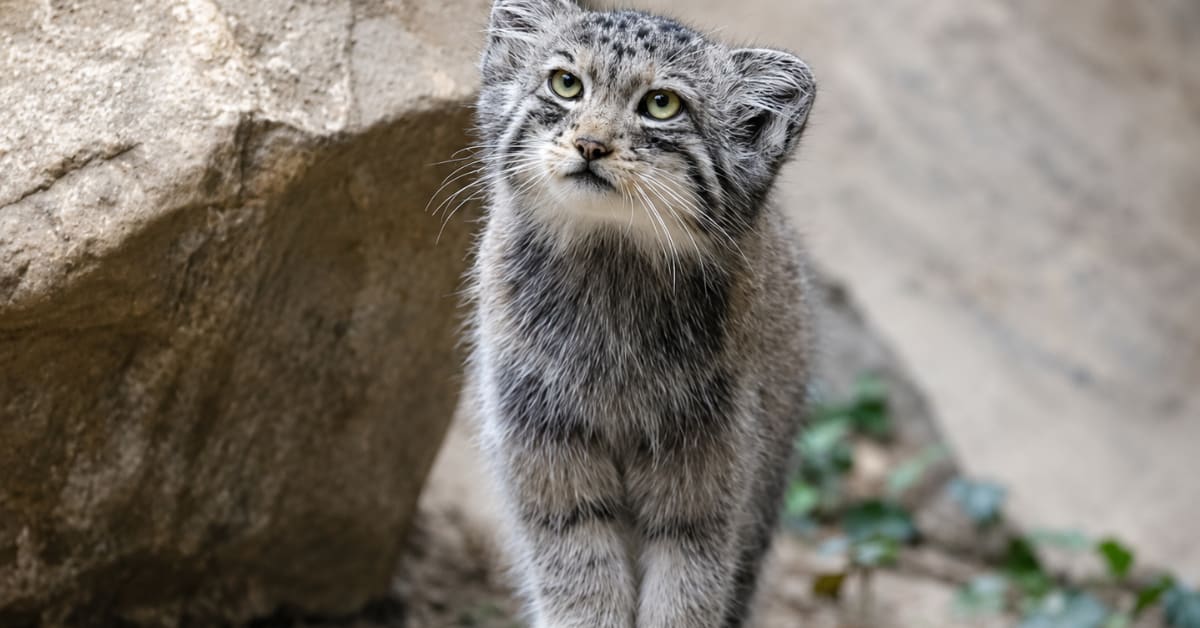
The Pallas's cat, with its impossibly fluffy coat and permanent grumpy expression, has been photographed for the first time in Himachal Pradesh and Arunachal Pradesh. These discoveries add crucial pieces to the puzzle of where this elusive feline actually lives in India.
First spotted in Ladakh back in 1991, the species went largely unnoticed for decades. Unlike its famous neighbor the snow leopard, the Pallas's cat is a master of staying hidden.
That changed dramatically in 2024 when researchers placed camera traps across the Himalayas. In Himachal's Hangrang Valley, 56 cameras hunting for snow leopards caught three separate Pallas's cats between 12,800 and 13,500 feet. Nobody expected them there.
A few months later in Arunachal Pradesh, 136 cameras covering 770 square miles captured another first sighting at 16,400 feet. Similar surprises came from Sikkim in 2007 and Uttarakhand in 2019.
The cat's survival toolkit explains why it thrives where most animals wouldn't. Its fur is so dense that scientists say the hairs underneath are extra long to insulate against frozen ground. Short legs and low-set rounded ears minimize heat loss in temperatures that regularly plunge below zero.
This isn't just about adorable appearances. The Pallas's cat hunts rodents in high-altitude grasslands, making it a key player in Himalayan ecosystems that remain poorly studied.
Why This Inspires
Every new photograph represents years of patient fieldwork in brutal conditions. Researchers haul equipment to altitudes where breathing itself becomes work, all to document an animal most people will never see.
The discoveries also show how much we still don't know about wildlife in our own backyards. In 2026, scientists identified a Pallas's cat in Ladakh's Karakoram Wildlife Sanctuary using only DNA from droppings, proving the species lives in places nobody guessed.
These cats survive in landscapes facing pressure from mining, infrastructure, livestock, and rodent control programs. Understanding where they live gives conservationists the maps they need to protect critical habitat before it disappears.
The findings suggest India's high-altitude wilderness still holds secrets. As camera trap technology improves and researchers venture into more remote areas, the Pallas's cat may reveal an even wider range than currently known.
For now, this grumpy-faced survivor is reminding us that the Himalayas still have stories to tell.
More Images
%2Fenglish-betterindia%2Fmedia%2Fmedia_files%2F2026%2F09%2F04%2Fpallas-cat-2026-09-04-15-39-58.png)
%2Fenglish-betterindia%2Fmedia%2Fmedia_files%2F2025%2F11%2F20%2Fwild-at-heart-banner-image-microsite-banner-2025-11-20-16-17-04.jpg)
%2Ffilters%3Aformat(webp)%2Fenglish-betterindia%2Fmedia%2Fmedia_files%2F2026%2F09%2F04%2Fpallas-cat-1-2026-09-04-15-44-14.png)
Based on reporting by The Better India
This story was written by BrightWire based on verified news reports.
Spread the positivity!
Share this good news with someone who needs it