India District Puts Library in Every Village for 36K Kids
A conflict-affected region in India with 42% literacy just launched village libraries in all 169 communities, run by local youth teaching in tribal languages. Nearly 4,000 children who dropped out or never enrolled now have a path back to learning.
In Dantewada, a district in India's Bastar region long affected by conflict, local youth are opening library doors to 36,000 children who've never had learning centers in their own communities. The region's literacy rate sits at just 42%, dropping to 24% for rural women, but that's about to change.
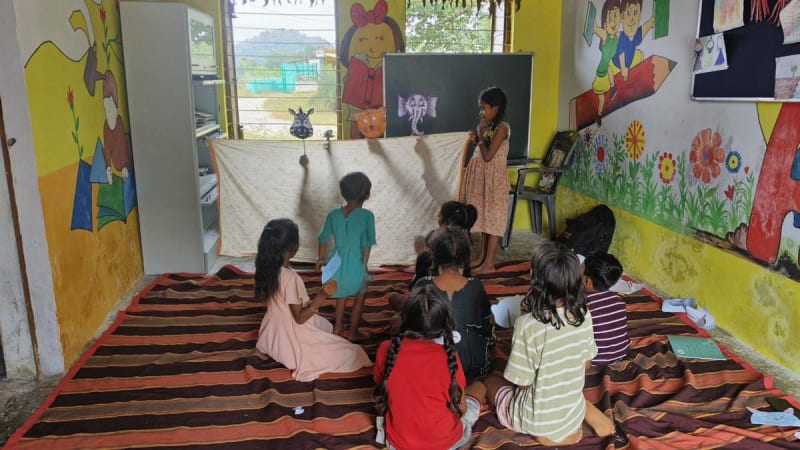
The district launched the Baal Mitra Programme in 2024, creating Library and Activity Centers in every single village council. Already, 67 centers are running, with 102 more opening by late January to complete coverage of all 169 villages, making this India's first district with a children's library in every community.
Each center runs six days a week, led by a local Adivasi (tribal) youth fellow who earns between 250 and 330 dollars monthly for a two-year term. They teach in Gondi and Halbi, the languages 95% of children actually speak at home, not just Hindi like most schools require.
The program addresses a crisis hiding in plain sight. A recent survey found nearly 2,000 children dropped out of school entirely, while another 2,000 never enrolled at all, not even in early childhood programs. About 65% come from families below the poverty line, and 10% are orphans or have lost one parent.
Distance creates another barrier. While 60% of enrolled students can walk to school from home, 40% must live away in hostels or residential facilities, separated from their families just to get an education.
The centers use existing village buildings instead of constructing new ones, stocking shelves with books in Hindi, English, Gondi, and Halbi. Colorful illustrations teach not just reading but health, nutrition, and life skills that many parents, 80% of mothers are illiterate, cannot provide at home.
The Ripple Effect
These fellows do more than teach reading. They're identifying children who fell through the cracks, helping families get the documents needed for school enrollment, and providing mental health support to kids dealing with loss and hardship. They're bridging the gap where traditional schools, often staffed by teachers from other regions who don't speak local languages, struggle to connect.
The model proves that meeting children where they are, in their own language and their own village, can rebuild education from the ground up. When learning feels like play and instruction happens in words kids understand, even children who lost interest in school want to come back.
Dantewada is showing that closing literacy gaps doesn't require massive new infrastructure, just local people empowered to teach their own community's children in ways that actually work.
Based on reporting by The Hindu
This story was written by BrightWire based on verified news reports.
Spread the positivity!
Share this good news with someone who needs it