India Invests $2B in Clean Nuclear Energy by 2033
India is pouring $2 billion into building five small modular nuclear reactors by 2033, part of an ambitious plan to multiply its clean energy capacity elevenfold by 2047. Meanwhile, Saudi Arabia just signed agreements with the US to develop its first civilian nuclear power program.
Two major nations just took giant leaps toward cleaner energy this week, signaling that nuclear power is gaining serious momentum as countries seek alternatives to fossil fuels.
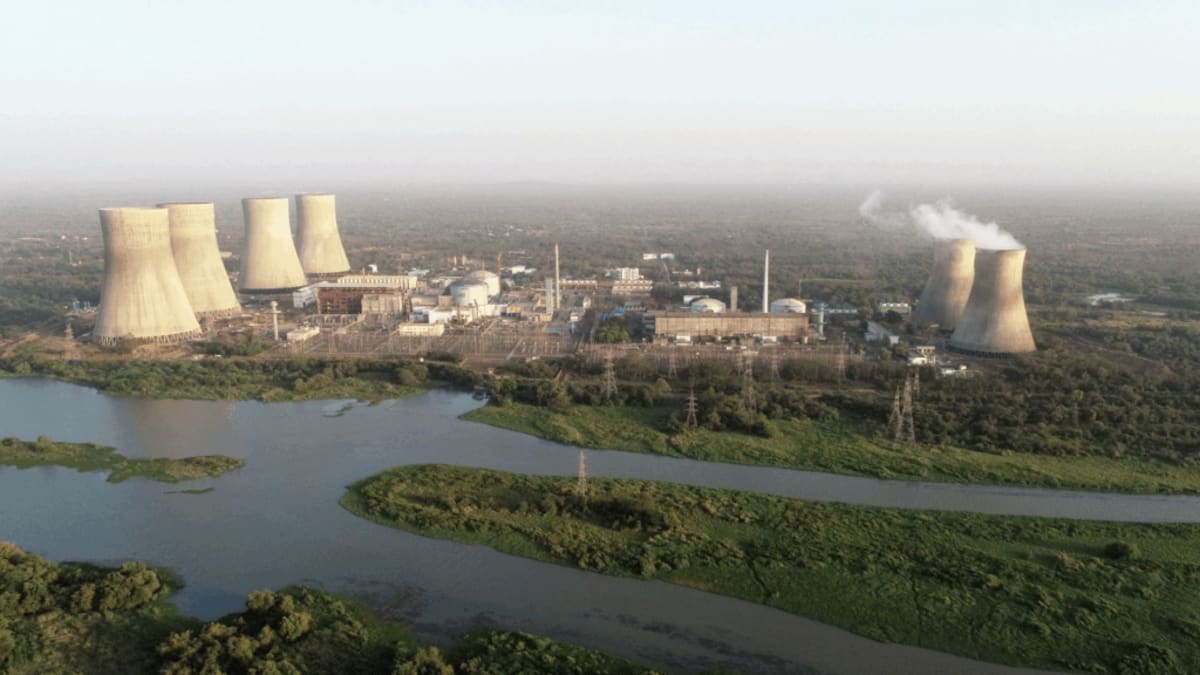
India announced Wednesday it will invest roughly $2 billion to build at least five small modular reactors (SMRs) by 2033. The move is part of an even bigger vision: expanding the country's nuclear power from 8.8 gigawatts today to 100 gigawatts by 2047.
That's an elevenfold increase in clean energy capacity over the next two decades.
The Mumbai-based Bhabha Atomic Research Centre is developing three different reactor designs. Two will generate electricity at 220-megawatt and 55-megawatt capacities, while a smaller gas-cooled reactor will produce hydrogen fuel.
India isn't stopping there. The country's state-owned energy company NTPC is exploring financing for overseas uranium mines to fuel its nuclear ambitions. In March, India signed a $1.9 billion deal with Canadian company Cameco for uranium supplies, and secured another major agreement with Kazakhstan's Kazatomprom, the world's largest uranium producer.
Across the Middle East, Saudi Arabia and the United States signed historic agreements this week that could launch Saudi Arabia's first civilian nuclear program. The deal opens doors for American companies to participate in building standard commercial reactors in the kingdom.
"These agreements reflect our two nations' shared commitment to strengthening U.S.-Saudi commercial relations, delivering prosperity at home and security to our allies abroad," said US Energy Secretary Chris Wright.
The Ripple Effect
The nuclear renaissance is spreading globally as countries recognize they need reliable, carbon-free power for growing economies and energy-hungry AI data centers. Currently, only the United Arab Emirates and Iran operate nuclear plants in the Middle East, but Egypt and Turkey have reactors under construction.
The uranium market is responding too. Prices climbed to $85.70 per pound this week, staying stable after a volatile spring that saw prices briefly spike above $100. Investment funds like Sprott Physical Uranium Trust purchased 50,000 pounds of uranium oxide Wednesday alone, bringing their total holdings to 81.5 million pounds.
What makes this moment special is how nuclear technology has evolved: small modular reactors are safer, more flexible, and cheaper to build than traditional massive plants.
Countries that once relied heavily on coal and oil now see a cleaner path forward that doesn't sacrifice reliability or economic growth.
More Images

Based on reporting by Regional: saudi arabia development (SA)
This story was written by BrightWire based on verified news reports.
Spread the positivity!
Share this good news with someone who needs it