India Now Home to 75% of World's Wild Tigers
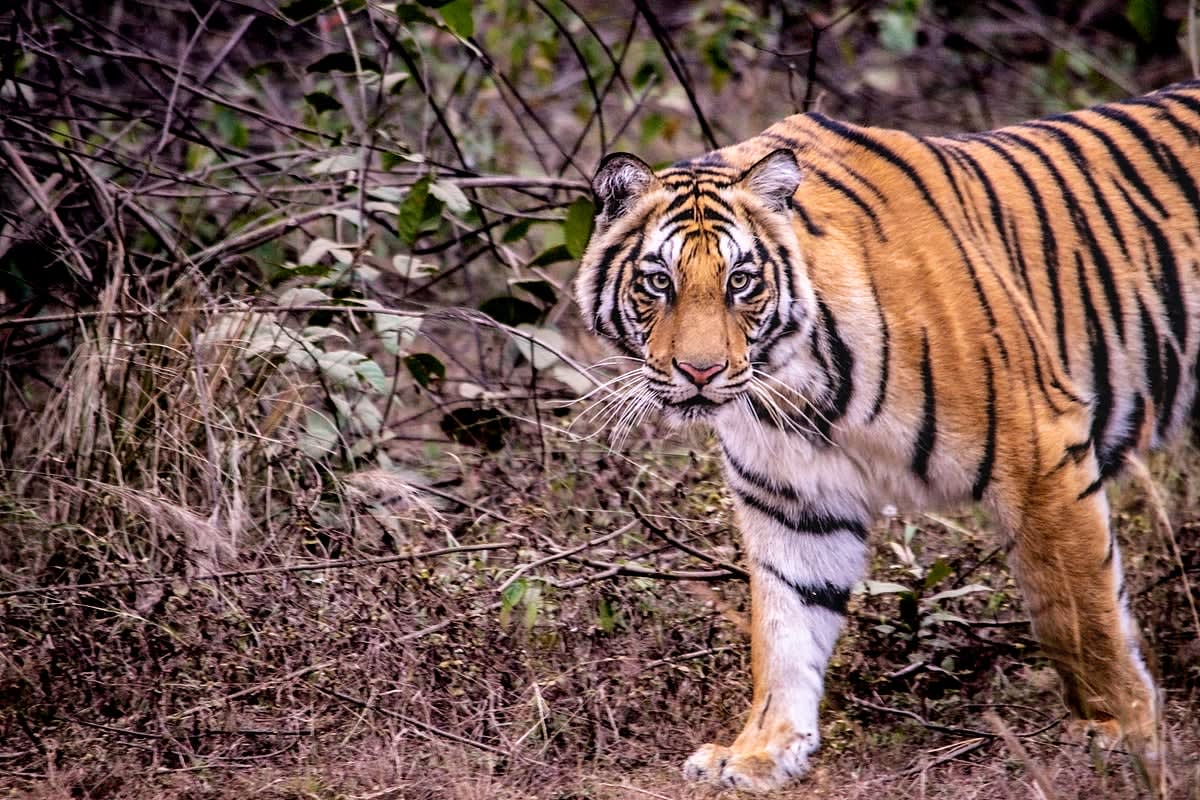
India's tiger population has nearly tripled in 16 years, proving that people and wildlife can thrive together. The country now hosts three-quarters of the world's wild tigers despite having the highest human population density on Earth.
India just proved something the world thought impossible: a country with 1.4 billion people and 500 residents per square kilometer is bringing tigers back from the brink.
The nation's wild tiger population has surged from 1,411 in 2006 to 3,682 in 2022, making India home to 75% of all wild tigers on Earth. Even more remarkable, 35% to 40% of these tigers now live outside protected reserves, thriving in territories shared with humans.
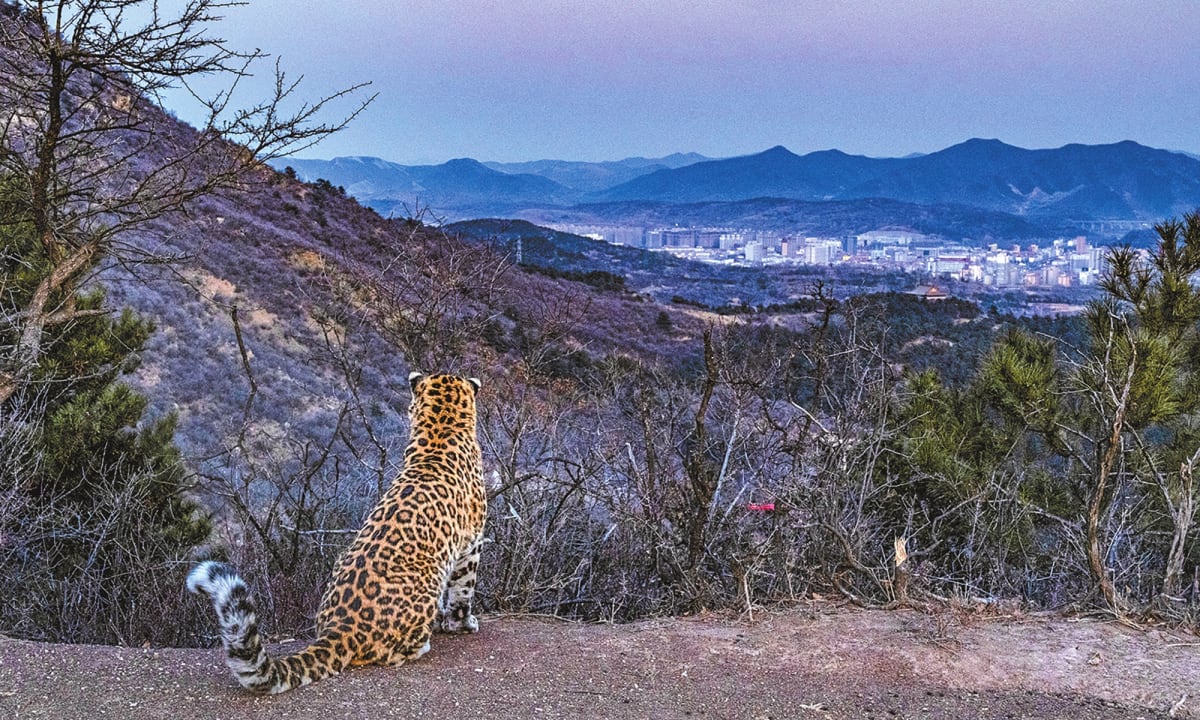
This success story extends beyond tigers. India now sustains healthy populations of lions, leopards, and snow leopards, showing that dense human populations and large predators can coexist when communities are engaged in conservation.
The recovery happened after a wake-up call in 2004, when Sariska Tiger Reserve lost all its tigers to poaching. The loss sparked nationwide reforms, including the creation of the National Tiger Conservation Authority and stronger wildlife protection laws in 2006.
Today, reintroduced tigers are thriving again in Sariska and Panna reserves. Sariska now hosts about 20 tigers, while Panna is home to approximately 60.
The Ripple Effect
India's model is rewriting global conservation playbooks. Cities and towns across the country now coexist with big cats in nearby areas, proving that conservation doesn't require fortress-like isolation.
The tigers' ability to move through human-dominated landscapes ensures genetic diversity and healthy populations for generations to come. This connectivity allows young tigers to disperse and establish new territories as populations grow beyond their original habitats.
With the average protected area spanning just 230 square kilometers—too small for viable tiger populations alone—India's success depends on the broader landscape working as a connected system.
The country's achievement offers hope to nations worldwide struggling to balance human development with wildlife protection: coexistence isn't just possible, it's working.
Based on reporting by Google News - Conservation Success
This story was written by BrightWire based on verified news reports.
Spread the positivity!
Share this good news with someone who needs it