India Sets Bold 2027 Target for Cleaner Delivery Trucks
India just unveiled fuel standards that could transform the 48% of delivery trucks clogging roads with emissions into electric vehicles. The 2027 deadline might finally spark the clean transport revolution that passenger cars couldn't achieve.
Every package delivered to your door in India likely traveled in a small delivery truck that nobody bothered to regulate for fuel efficiency until now.
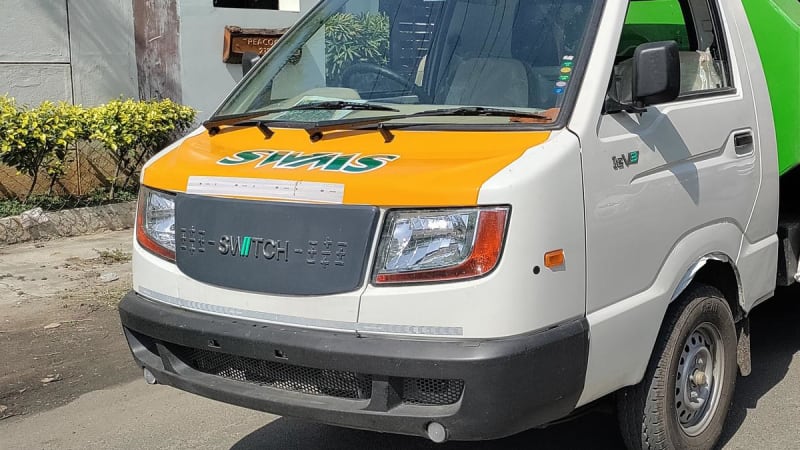
While India spent years setting strict emission rules for passenger cars, light commercial vehicles, the workhorses moving 48% of all commercial goods, operated in a regulatory blind spot. These trucks under 3.5 tonnes carry everything from online shopping orders to essential supplies, yet only 2% run on electric power.
In July 2025, the Bureau of Energy Efficiency changed everything with a proposal requiring these vehicles to meet fuel consumption standards starting in 2027. Automakers lobbied hard for a full exemption, warning that regulations would force expensive technology upgrades in a price-sensitive market.
The government said no, signaling that clean transport matters more than industry pushback.
Here's where the science gets exciting. Research from the International Council on Clean Transportation identified 116.5 grams of CO2 per kilometer as the magic number where electric vehicles become cheaper for manufacturers than upgrading gas engines.
The proposed standard of 115 grams just crosses that threshold. Once manufacturers hit these targets, building electric trucks costs less than tweaking old technology.
India's current fleet averages 147.5 grams per kilometer. That 2% of electric trucks already in service proves even small changes make measurable impacts on emissions.
The catch? Electric delivery trucks cost more than 1 million rupees upfront, while conventional models stay under that price. Battery packs top out at 35 kilowatt hours with 150 kilometer ranges because manufacturers hesitate to invest without guaranteed demand.
The Ripple Effect
Smart incentives could break this standoff fast. China, the European Union, and the United States use "super credits" that count each electric vehicle multiple times toward compliance targets, making electrification look attractive on regulatory balance sheets.
India's proposal includes these super credits and counts electric vehicles as zero emissions for compliance purposes. However, it also extends credits to hybrids and certain gas engine technologies, which could let manufacturers delay the electric transition by gaming the system with minor tweaks.
The real concern is repetition of the passenger car mistake. Eight years of relaxed standards kept electric passenger cars at just 3% market share because manufacturers found cheaper workarounds.
States like Maharashtra and Madhya Pradesh already offer purchase incentives that overcome high upfront costs, proving policy support works when consistently applied. The national PM E-DRIVE program excludes light commercial vehicles entirely, missing a massive opportunity.
The pieces exist for transformation: falling battery prices, scaling production, technological innovation, and now regulatory pressure all point toward an electric future. Delivery trucks drive predictable routes perfect for current battery ranges, making them ideal early adopters.
If policymakers keep standards stringent and phase out loopholes for gas engines, India's delivery fleet could lead the clean transport revolution that passenger vehicles couldn't.
Based on reporting by The Hindu
This story was written by BrightWire based on verified news reports.
Spread the positivity!
Share this good news with someone who needs it