India Tests Sodium Batteries to Power Cleaner Energy Future
India's largest power company is launching pilot programs to test affordable sodium-ion batteries that could revolutionize how the world stores renewable energy. This breakthrough could make clean energy cheaper and more reliable for millions.
India just took a major step toward making clean energy storage affordable for everyone.
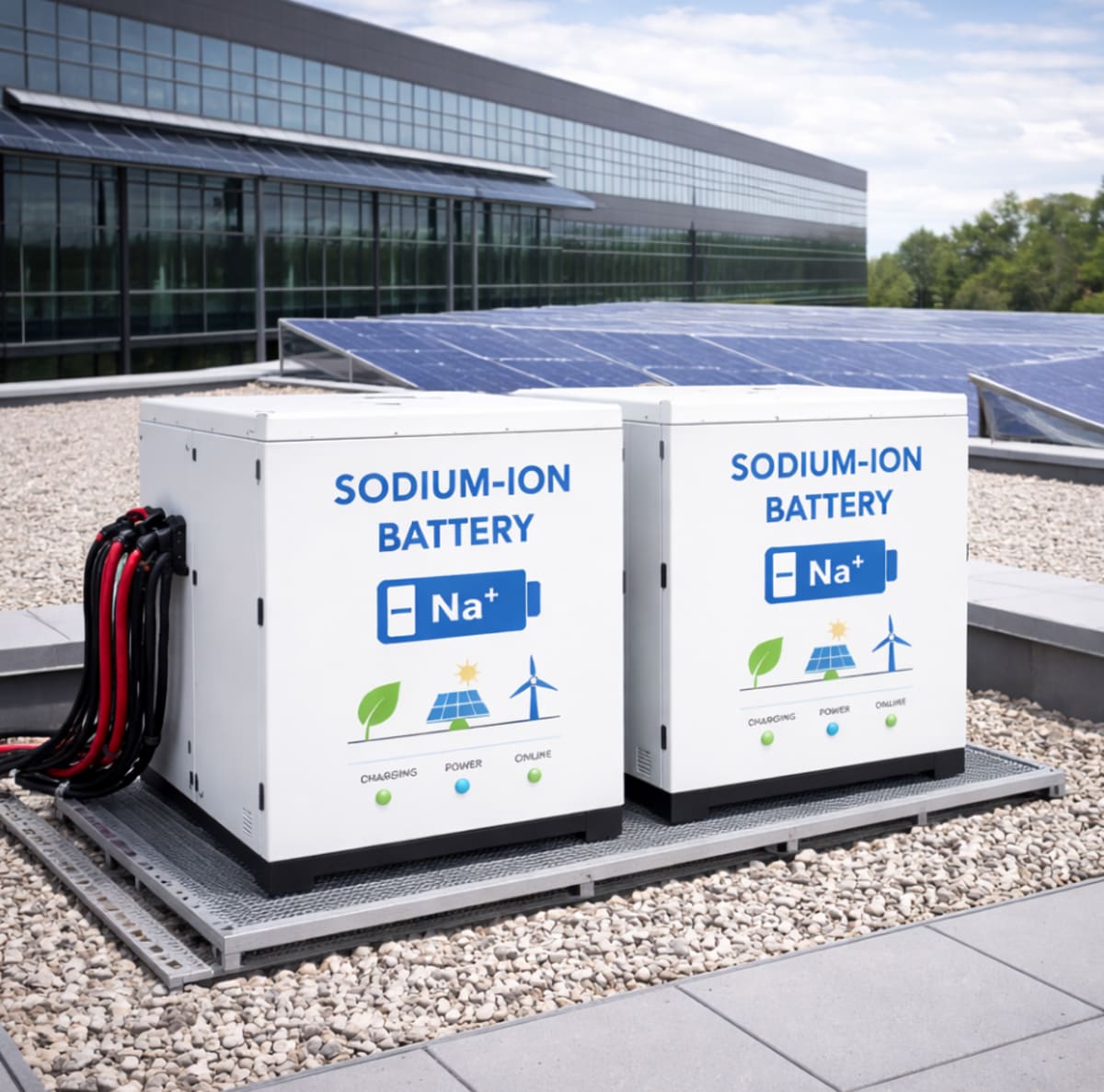
NTPC, India's state-owned power giant, is inviting companies to build and test sodium-ion battery systems at its power plants and offices across the country. Unlike traditional lithium batteries that require expensive and scarce materials, sodium batteries use common salt, one of the most abundant resources on Earth.
The pilot program will put these batteries through real-world testing under India's unique climate and power grid conditions. NTPC wants to see how they perform, how long they last, and whether they can work reliably at scale before rolling them out nationwide.
Companies can propose two different setups. The first option asks for a 100-kilowatt-hour system, giving NTPC a standard way to compare different technologies. The second option lets companies showcase their best design at whatever size demonstrates their technology most effectively.
The program smartly adjusts who pays based on how ready the technology is. For early-stage prototypes still being perfected in labs, companies must cover at least half the costs. For more mature technologies already tested in industrial settings, NTPC will negotiate fair cost-sharing terms.
NTPC will provide the land, handle installation support, and help maintain the systems during testing. This hands-on approach means companies can focus on proving their technology works rather than worrying about logistics.
The Ripple Effect
This initiative could reshape global energy storage. Lithium batteries power everything from phones to electric cars, but lithium mining damages ecosystems and the supply chain depends on just a few countries. Sodium offers an alternative that's cheaper, more abundant, and can be produced almost anywhere.
If India proves sodium batteries work at scale, it could accelerate the shift to renewable energy worldwide. Solar and wind power need reliable storage to work when the sun sets or wind stops. Affordable batteries make clean energy practical even in developing countries where cost matters most.
For India's 1.4 billion people, this could mean more reliable power and faster progress toward the country's clean energy goals. Success here could inspire similar programs across Asia, Africa, and beyond.
The future of clean energy might just run on salt.
More Images


Based on reporting by PV Magazine
This story was written by BrightWire based on verified news reports.
Spread the positivity!
Share this good news with someone who needs it