India Turns Forest Flowers Into Jobs for Tribal Women
Women in rural India are transforming mahua flowers into nutritious snacks and oils, creating sustainable incomes while preserving traditional knowledge. Three new processing units will expand this forest-to-market success story.
Tribal women in Telangana's Mulugu district are turning forest flowers into thriving businesses, and their success is about to grow threefold.
The Society for Elimination of Rural Poverty is establishing three new processing units to expand production of mahua flower products. The sweet-smelling blooms, traditionally collected by tribal communities, are now being transformed into nutrient-rich laddus (traditional sweets) and pressed into valuable oils.
The numbers tell a promising story. Mahua oil sells for about $12 per kilogram, and just two kilograms of flowers yield one kilogram of oil. The oil is packed with nutrients and used in Ayurvedic medicine, creating steady demand in health-conscious markets.
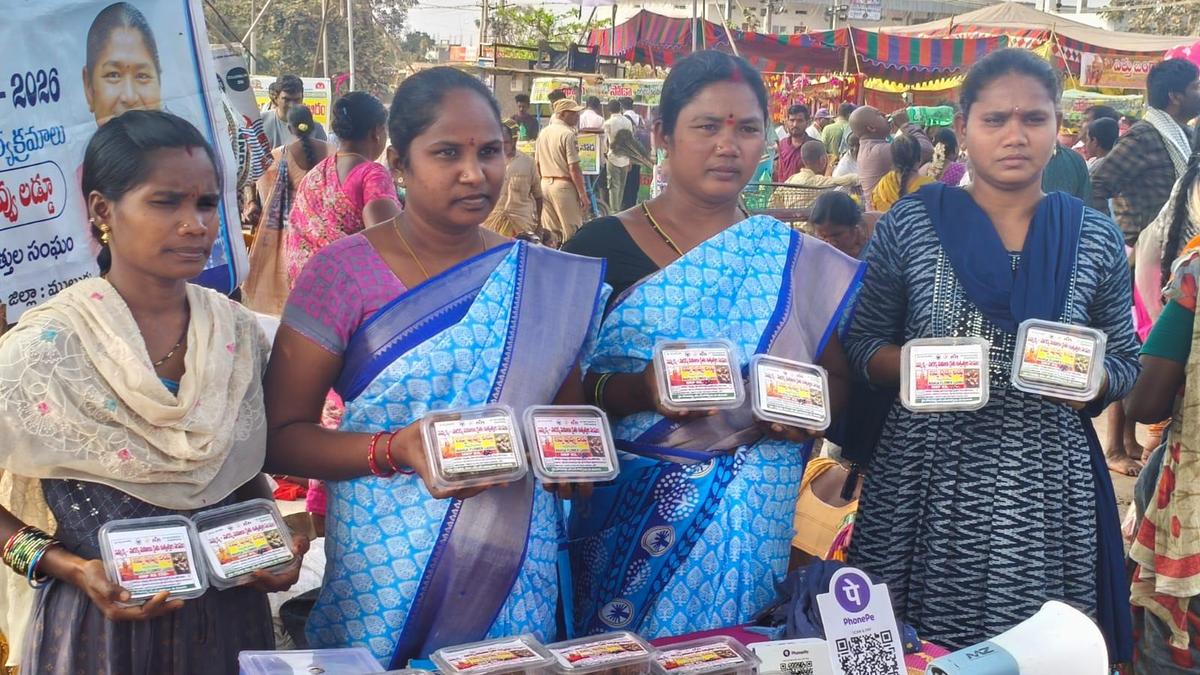
Women in Tadvai mandal pioneered this initiative by learning to make mahua laddus as part of a rural livelihoods program. After receiving food safety licenses and training in scientific collection methods, they recorded strong sales at the Sammakka-Saralamma festival, a major regional gathering.
The new units at Kondaparti, Kannepally, and Medaram will cost roughly $18,000 combined and will process both mahua and kanuga oils. A detailed project plan will be ready within a month, according to National Mission Manager Killi Jayaram.
One private cold-pressed oil unit already operates successfully near Medaram, proving the market potential. District Minister Dansari Anasuya Seethakka is championing the expansion, viewing it as a blueprint for turning forest resources into economic opportunity.
The Ripple Effect
This initiative does more than create jobs. It validates traditional knowledge that tribal communities have held for generations, elevating forest flowers from subsistence resources to commercial products.
The program taught women to use green nets under trees for clean collection, ensuring food-grade quality. This scientific approach preserves the resource while maximizing income potential for families who previously traded flowers for basic edible oils.
SERP Chief Executive Divya Devarajan emphasized the dual benefits: health-promoting products that generate reliable household income. The model works because it builds on existing skills and local resources rather than requiring expensive inputs or training.
As the state government prepares a comprehensive mahua project, this district-level success demonstrates how traditional practices can fuel modern livelihoods. For tribal women who know these forests intimately, the flowers blooming around them now represent financial independence and recognition of their knowledge.
The expansion promises more women will gain economic stability while keeping ancient traditions alive for the next generation.
Based on reporting by The Hindu
This story was written by BrightWire based on verified news reports.
Spread the positivity!
Share this good news with someone who needs it