Indian Cities Test 'Sponge' Design to End Flooding
Indian cities are fighting floods and water shortages with a simple idea: let rain soak in instead of rushing away. From Chennai to Ahmedabad, new parks and streets are designed to absorb water like sponges.
Every monsoon, the same paradox strikes India's cities. Roads flood, drains overflow, and traffic stops. Months later, those same cities face water shortages and dropping groundwater levels.
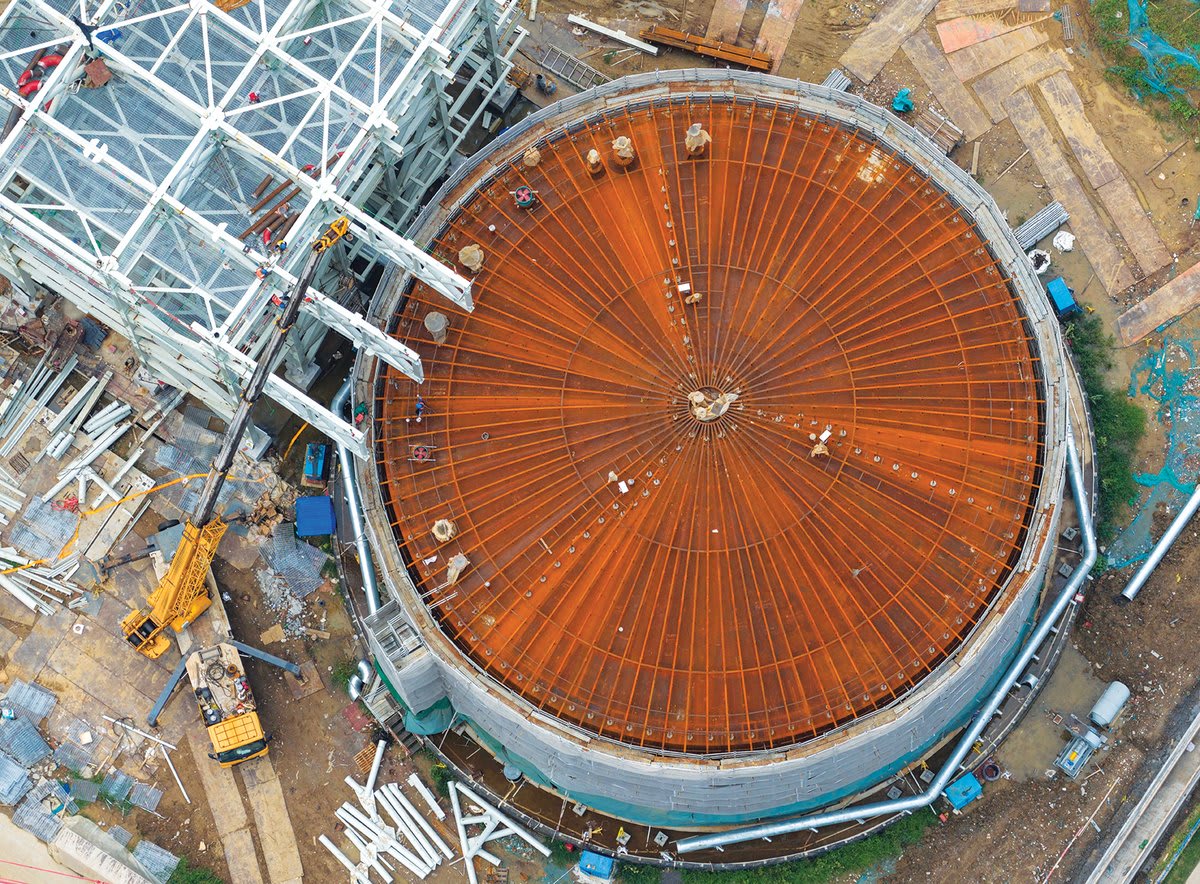
The problem lies beneath our feet. As Indian cities expanded, concrete and asphalt replaced soil, wetlands, and ponds that once absorbed rain. Between 2000 and 2015, the built-up area across India's 10 largest cities grew by 52 percent, covering land that used to recharge groundwater naturally.
Now cities are testing a solution inspired by nature itself: design streets and parks to work like sponges. Instead of rushing every raindrop into drains, sponge cities give water places to pause, seep into soil, and slowly move away.
The science is straightforward. Pour water on a tile and it runs toward the drain. Pour it on soil and it gets absorbed. Sponge cities bring that principle to urban design.
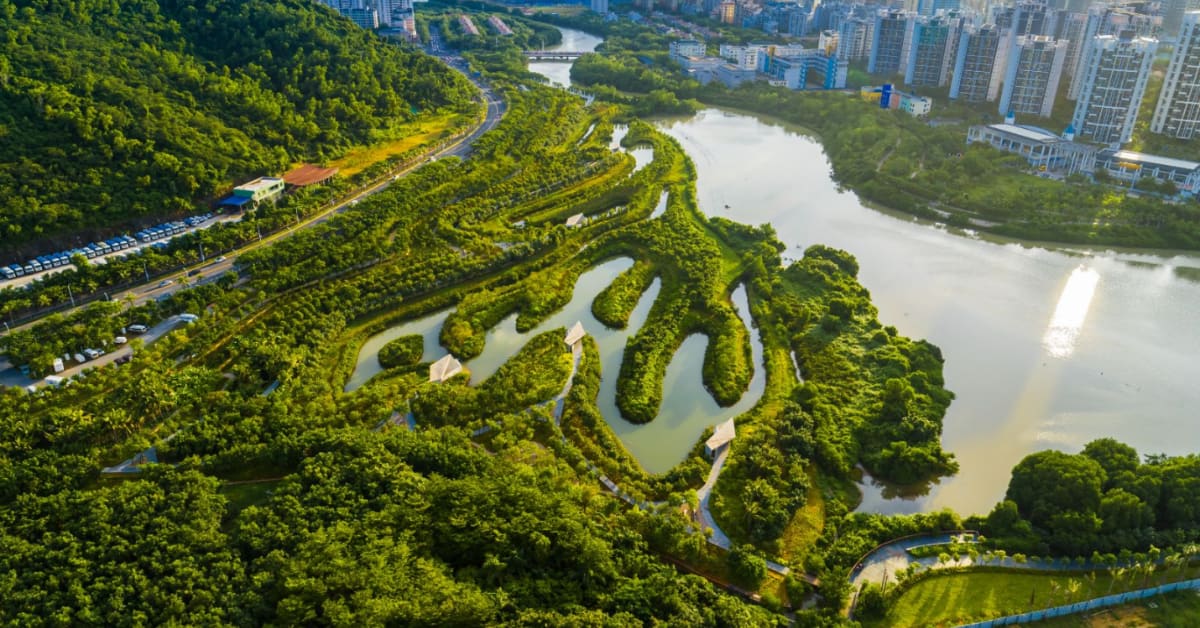
Permeable pavements contain tiny gaps that let rainwater pass through into layers of gravel and soil below. Rain gardens are shallow planted areas where runoff from roads and roofs can collect, slow down, and soak into the ground. Restored wetlands and ponds act as temporary storage, holding excess water instead of sending it all at once into rivers and drains.
You don't need to redesign an entire city to make it work. A regular street can get planted channels along its edges to collect runoff. Parking areas can use permeable surfaces. Trees intercept rainfall and help soil retain water. Each small change creates a network of spaces that capture and absorb rain.
The term 'sponge city' comes from Chinese landscape architect Kongjian Yu, who developed the concept in the early 2000s. But India has used similar ideas for centuries through johads, ponds, and stepwells that capture and store rainwater.
The Ripple Effect
Chennai restored a degraded wetland in Porur as the Dr M S Swaminathan Wetland Eco Park. Since opening in 2025, it has managed more than 20 million liters of stormwater during peak monsoon and handles over 90 percent of runoff generated on site.
Ahmedabad has experimented with sponge parks using permeable paving and underground systems to help rainwater move below the surface. These pilot projects show that working with water instead of just pushing it away can ease flooding while recharging groundwater supplies.
The approach won't stop flooding completely, but it gives rain more places to go. As cities grow, designing them to absorb water could help solve both the flooding and water shortage sides of India's urban water paradox.
More Images
%2Fenglish-betterindia%2Fmedia%2Fmedia_files%2F2026%2F08%2F17%2Fsponge-cities-2026-08-17-19-09-24.png)
%2Ffilters%3Aformat(webp)%2Fenglish-betterindia%2Fmedia%2Fmedia_files%2F2026%2F08%2F17%2Fsponge-cities-2026-08-17-19-10-11.png)
%2Ffilters%3Aformat(webp)%2Fenglish-betterindia%2Fmedia%2Fmedia_files%2F2026%2F08%2F17%2Fsponge-cities-2026-08-17-19-11-55.png)
Based on reporting by The Better India
This story was written by BrightWire based on verified news reports.
Spread the positivity!
Share this good news with someone who needs it