Indian Farmers Predicted Rain Without Modern Tech for 3,000 Years
Long before weather apps existed, Indian farmers accurately forecasted monsoons by reading clouds, insects, animals, and stars using methods refined over 3,000 years. Scientists are now rediscovering why these traditional techniques actually work.
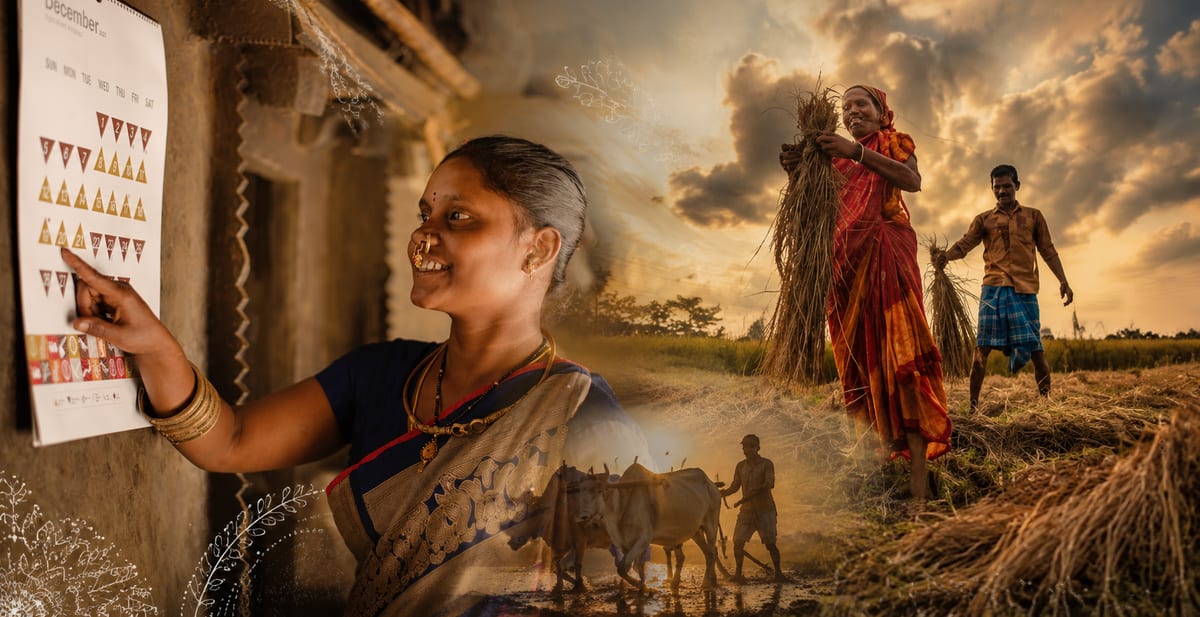
For thousands of years before satellites and smartphones, Indian farmers knew exactly when the rains would come by watching the world around them.
Their methods weren't guesswork or superstition. These communities developed carefully observed systems, refined across generations and recorded in ancient texts like the Vedanga Jyotisha from 1400 BCE, that still show up in villages today.
The foundation started with astronomy. The Vedanga Jyotisha helped create the Panchang, the Hindu almanac that tracked the sun, moon, and stars to predict seasonal changes including rainfall patterns. In the 6th century, scholar Varahamihira expanded these ideas in his work Brihat Samhita, describing connections between rainfall, celestial events, and atmospheric conditions that researchers say resemble modern meteorology.
Village astrologers called Gram Joshis would read annual rainfall predictions during the Hindu New Year, helping farmers plan their entire agricultural season. But the forecasting didn't stop with the stars.
Dr. K Ravi Shankar, a senior agricultural scientist, spent three years documenting traditional practices in Andhra Pradesh villages. He recorded 66 different indicators farmers watched before deciding when to sow crops, combining multiple signals rather than relying on any single sign.
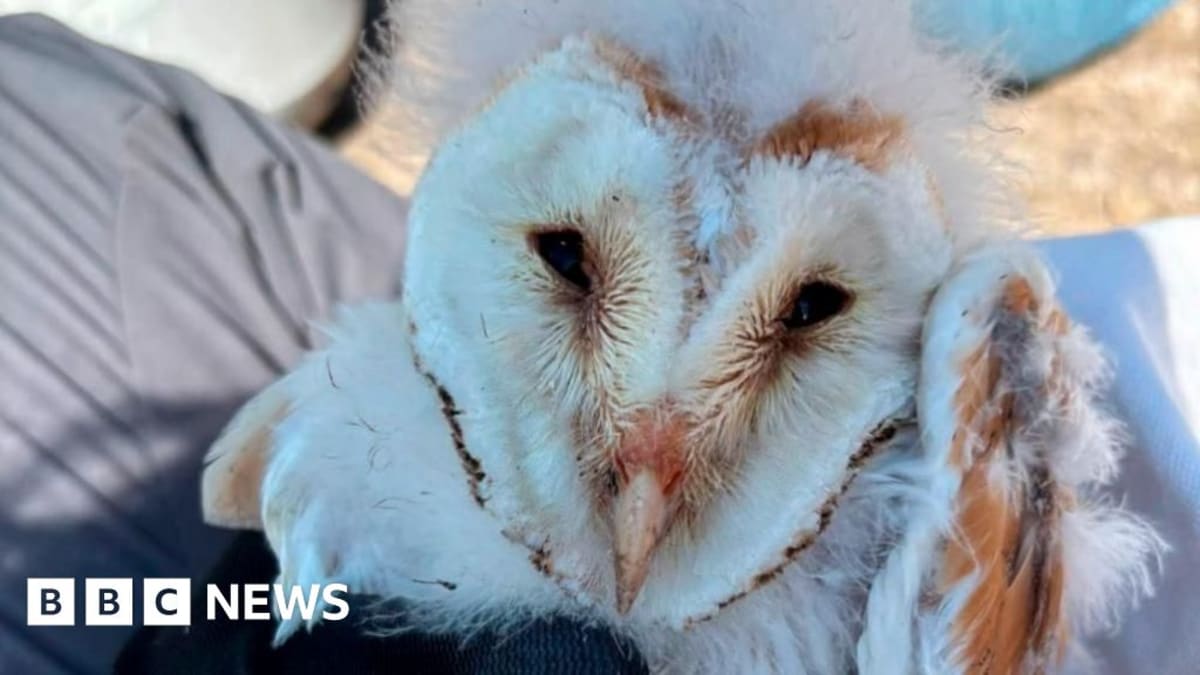
Some observations now make scientific sense. Insects detect humidity changes through their antennae long before humans notice, which explains why farmers watched red caterpillars rushing to shelter or bees returning early to hives. Goats flapping their ears frequently, owls calling persistently at night, and kitchen smoke staying low instead of rising all indicated moisture building in the air.
In Andhra Pradesh's Tatta Sanketam ritual, a child balanced a tumbler on a grain basket. The direction it fell, interpreted with planetary positions, was believed to forecast the season's rains. Households watched how quickly stored salt or jaggery became sticky as signs of rising humidity.
Even plants held clues. Village elders examined Flame of the Forest seed pods, which contain seeds at the bottom, middle, and top. Whichever seed appeared most developed indicated when heavy rainfall would arrive during the monsoon season.
Farmers in some areas watched weaver birds build their nests. If the birds constructed them high above water level, the community expected generous rainfall ahead.
The Ripple Effect
What made these traditions powerful wasn't any single observation but the combination. Farmers compared multiple signals from insects, animals, plants, the sky, and household items before making decisions that determined an entire harvest.
As climate change makes monsoons increasingly erratic, scientists are revisiting these methods to understand the observations behind them. The knowledge represents thousands of years of careful pattern recognition, preserved through generations when a wrong forecast could mean famine.
Today's weather technology offers precision these traditional methods never could. But the farmers who developed these systems understood something modern forecasting sometimes misses: weather doesn't happen in isolation. It shows itself everywhere, if you know how to look.
More Images
%2Fenglish-betterindia%2Fmedia%2Fmedia_files%2F2026%2F07%2F06%2F1-2026-07-06-21-00-10.png)
%2Ffilters%3Aformat(webp)%2Fenglish-betterindia%2Fmedia%2Fmedia_files%2F2026%2F07%2F06%2F2-2026-07-06-21-11-03.jpg)
%2Ffilters%3Aformat(webp)%2Fenglish-betterindia%2Fmedia%2Fmedia_files%2F2026%2F07%2F06%2F3-2026-07-06-21-19-00.png)
Based on reporting by The Better India
This story was written by BrightWire based on verified news reports.
Spread the positivity!
Share this good news with someone who needs it