Indian Microgrid Powers 4 Homes Using Sun, Wind, Biomass
Researchers in India built a smart renewable energy system that keeps rural homes powered even when the sun isn't shining or wind isn't blowing. The breakthrough combines solar, wind, and biomass with intelligent batteries to deliver reliable electricity without fossil fuels.
Families in rural India often sit in darkness after sunset, not because the technology doesn't exist, but because single renewable sources fail when weather conditions change.
When Professor Arnab visited villages in Sundargarh district in 2019, he watched families struggle through another evening without power. The solar panels on their roofs sat useless under cloudy skies, and diesel generators were too expensive and polluting for daily use.
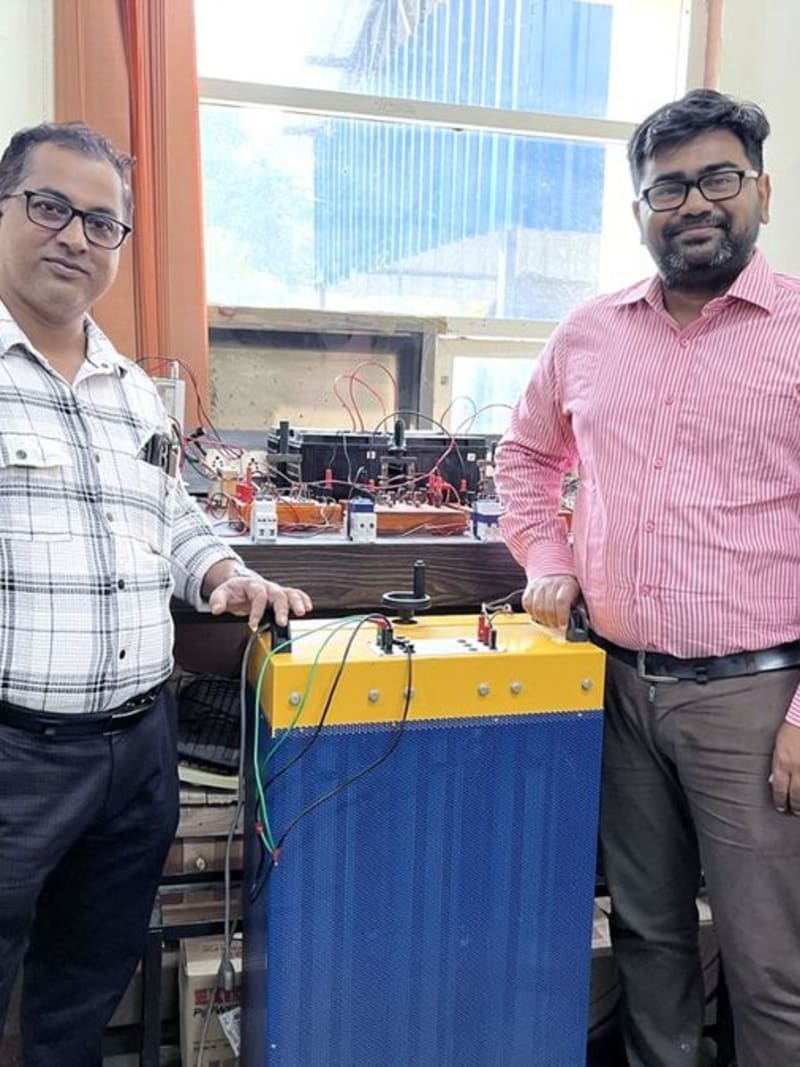
He returned to NIT Rourkela with a question: Could multiple clean energy sources work together as reliably as a power plant? Professor Arnab teamed up with Professor Krishna Roy and researcher Ananya Pritilagna Biswal to design a hybrid microgrid that would never leave families in the dark.
The system they built acts like a smart conductor for an energy orchestra. Solar panels generate power during sunny days while wind turbines spin during breezes and biomass converters turn agricultural waste into electricity. When all three sources produce more than needed, batteries store the excess.
The real breakthrough is the brain behind the system. An intelligent power management system constantly monitors which sources are producing energy and automatically switches between them. Advanced converters keep the electricity flowing smoothly without the voltage spikes or drops that damage appliances.
The battery control system learned from past rural renewable failures. Instead of draining batteries too quickly or overcharging them, the new design extends battery life while ensuring stored energy is available exactly when families need it most.
After validating the design through simulations and hardware tests, the team proved their microgrid could deliver about 10 kilowatt hours of steady power. That's enough electricity to run lights, fans, phone chargers, and basic appliances in four rural households throughout the day and night.
The Ripple Effect
Reliable electricity transforms rural life in ways city dwellers take for granted. Children can study after dark instead of straining their eyes by kerosene lamp. Farmers can charge phones to check weather forecasts and market prices. Small businesses can refrigerate medicines and run equipment that creates income.
The environmental benefits multiply beyond just replacing diesel generators. By using biomass from agricultural waste, the system helps farmers dispose of crop residue that would otherwise be burned in fields, reducing air pollution. Every household powered by this microgrid avoids carbon emissions while accessing the same reliable electricity that urban Indians expect.
The NIT Rourkela team isn't stopping at four households. Their design offers a template that can be scaled and adapted to different regions based on local renewable resources. Villages with more sunlight can emphasize solar while windier regions can lean on turbines.
Powering rural India no longer requires choosing between reliability and sustainability.
Based on reporting by The Better India
This story was written by BrightWire based on verified news reports.
Spread the positivity!
Share this good news with someone who needs it