Indian Scientists Turn Old Cooking Oil Into Home Cooling
Researchers in India have developed a rooftop panel that uses waste cooking oil to cool homes while generating solar power. The system could cut air conditioning costs, reduce carbon emissions, and rescue old cooking oil from landfills.
What if the same cooking oil you threw away last week could help cool your home this summer?
Scientists at India's Aarupadai Veedu Institute of Technology have designed a rooftop panel that does exactly that. The system combines solar power generation with cooling technology and uses waste cooking oil as its secret ingredient.
The innovation tackles three problems at once. It generates clean electricity from the sun, cools homes naturally, and gives old cooking oil a second life instead of sending it to landfills.
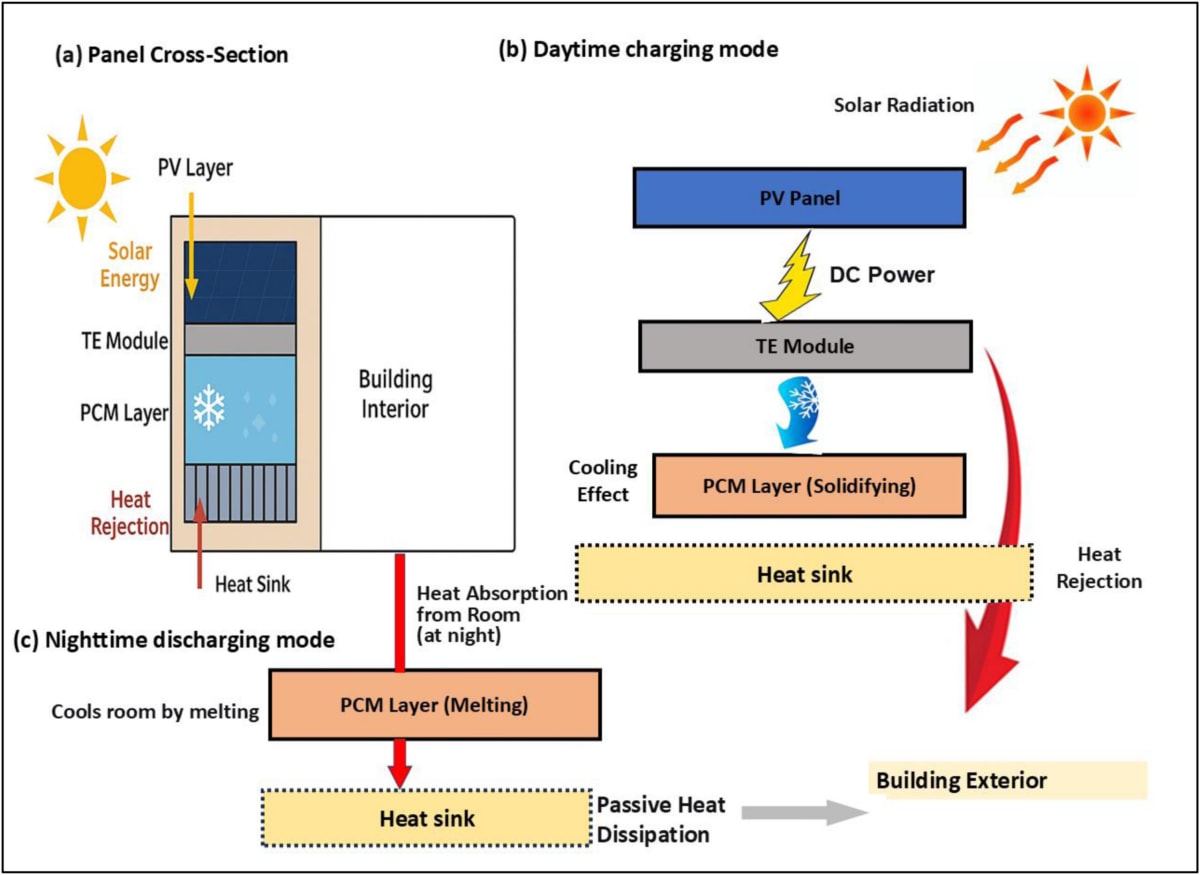
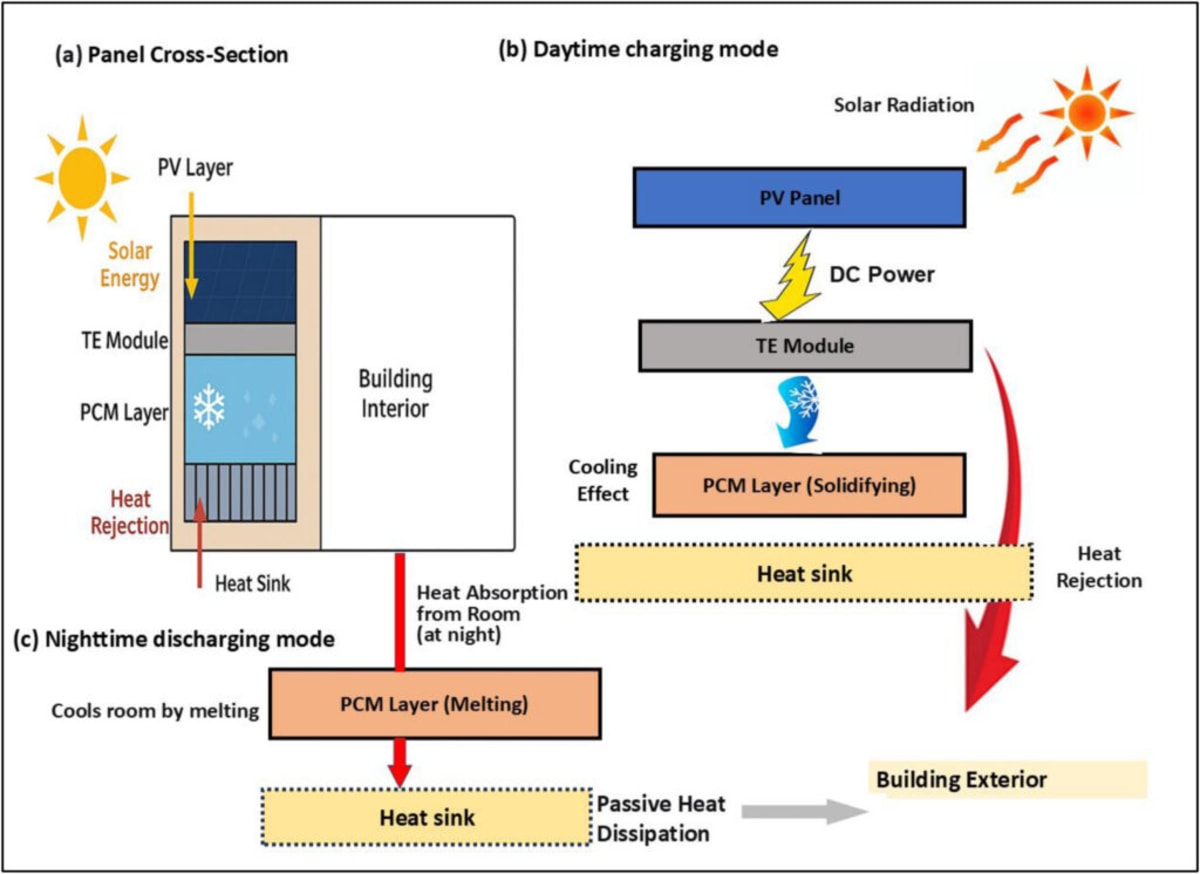
Here's how it works: Solar panels on the outside convert sunlight into electricity. That power runs a cooling device connected to a layer of waste palm oil. During the day, the system stores cooling capacity in the oil. At night, when the sun sets and air conditioning bills typically spike, the oil releases that stored coolness into your home.
The researchers simulated how these panels would perform in real conditions. Their models show impressive results. A single panel could provide 6 to 15 hours of cooling per day and drop indoor temperatures by up to 5 degrees Fahrenheit. It shifts your cooling needs by about three hours, meaning less reliance on energy-hungry air conditioners during peak evening hours.
Lead researcher Keerthi Palraj explained the breakthrough. "Our study converts a waste resource into a low-cost thermal energy storage material for sustainable cooling applications," she told PV Magazine. The waste cooking oil performed just as well as conventional cooling materials, but costs far less and keeps waste out of the environment.
The economics look promising too. Homeowners could recover their investment in three to four years, or about two years with government incentives. Each panel reuses 88 pounds of waste cooking oil annually while avoiding 1.2 tons of carbon dioxide emissions.
The Ripple Effect
This technology arrives as climate change drives temperatures higher and cooling demands soar across South Asia and beyond. Traditional air conditioning strains electrical grids and contributes to the very warming it's meant to combat.
But solutions like this flip the script. The panels turn sunlight into cooling without fossil fuels. They transform a waste product into a resource. And they could make sustainable cooling affordable for millions of families currently facing a choice between comfort and cost.
The team plans to test the panels under real weather conditions and explore ways to make the technology even more effective. They're also working on manufacturing methods that could scale production and bring costs down further.
Every innovation starts somewhere small, and this one begins with something as simple as yesterday's cooking oil becoming tomorrow's climate solution.
More Images


Based on reporting by PV Magazine
This story was written by BrightWire based on verified news reports.
Spread the positivity!
Share this good news with someone who needs it