Indian Startups Turn Clay and Satellites Into Heat Solutions
As temperatures cross 45°C across India, a new generation of climate startups is treating deadly urban heat as a design problem to solve. From refrigerant-free cooling systems to thermal satellites mapping invisible heat zones, innovators are building solutions that protect millions without heating the planet further.
Delivery drivers huddle under flyovers for shade while office workers press into metro station corners, desperate for relief from heat that rises off concrete streets like smoke. In Delhi, Hyderabad, Bengaluru, and Kolkata, scenes like this have become summer routine as temperatures regularly cross 45°C.
But across India, climate startups are refusing to accept extreme heat as inevitable. They're building cooling systems without refrigerants, mapping dangerous heat from space, and redesigning homes with terracotta and agricultural waste.
The stakes couldn't be higher. Extreme heat causes dehydration, heat exhaustion, heatstroke, and kidney stress, with outdoor workers like construction laborers, delivery staff, and street vendors most at risk. In low-income neighborhoods, tin-roof houses trap heat well into the night, making sleep and recovery nearly impossible.
Hyderabad-based Ambiator developed a refrigerant-free cooling system that uses 80% less electricity than conventional air conditioners. The Ambiator 5TR sits between a desert cooler and traditional AC, maintaining indoor temperatures between 24°C and 28°C during harsh summers while consuming significantly less water than regular coolers.
Meanwhile, SatLeo Labs is tackling the crisis from space. Using thermal satellites, drones, and artificial intelligence, the company maps invisible heat across cities before it escalates into fires or public health emergencies.
Their infrared thermal imaging identifies abnormal heat patterns, methane buildup, underground landfill fires, and overheated neighborhoods even through smoke or haze. In Tumakuru, Karnataka, authorities used SatLeo's mapping of a 40-acre landfill to identify dangerous hotspots and target plantation drives in the city's hottest neighborhoods.
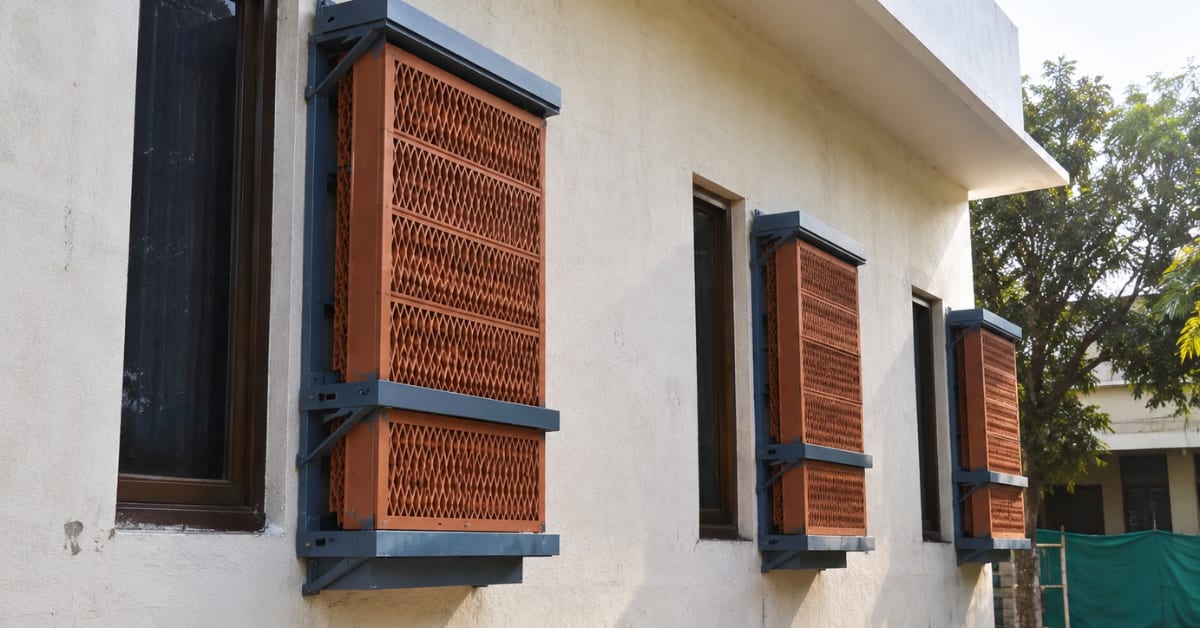
Other innovators are turning to ancient materials with modern applications. Through the Solar Decathlon India challenge, the Alliance for an Energy Efficient Economy is supporting students and researchers creating low-cost, energy-efficient cooling systems using terracotta, sugarcane waste, and mushroom spores.
These retrofit solutions work inside existing homes without heavy dependence on conventional air conditioning. The focus is making cooling accessible to those who need it most, not just those who can afford expensive climate control.
The Ripple Effect
Together, these innovations represent more than individual solutions. They're creating a blueprint for how India can adapt to extreme heat without contributing to the crisis through massive electricity consumption and refrigerant leaks.
Each refrigerant-free system installed means less greenhouse gas in the atmosphere. Every heat map helps cities protect vulnerable neighborhoods before emergencies strike. Every passive cooling design proves that ancient wisdom combined with modern technology can keep people safe.
As temperatures continue rising across India, these startups are proving that extreme heat isn't an unsolvable problem but a challenge waiting for creative minds to tackle it with clay, satellites, and determination.
More Images
%2Fenglish-betterindia%2Fmedia%2Fmedia_files%2F2026%2F05%2F16%2Fheat-2026-05-16-13-34-46.png)


%2Ffilters%3Aformat(webp)%2Fenglish-betterindia%2Fmedia%2Fmedia_files%2F2026%2F05%2F16%2Fheat-2-2026-05-16-14-13-57.png)
Based on reporting by The Better India
This story was written by BrightWire based on verified news reports.
Spread the positivity!
Share this good news with someone who needs it