India's High-Protein Rice Fights Hidden Hunger
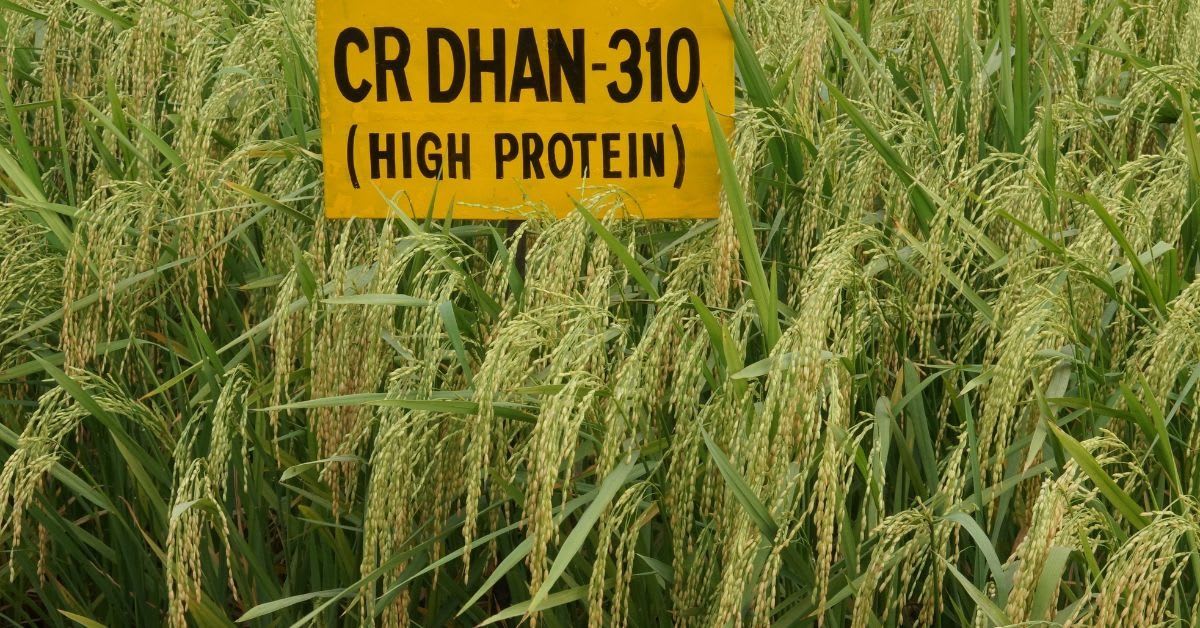
Farmers across India are growing CR Dhan 310, the country's first high-protein biofortified rice variety that delivers over 10% protein content to fight malnutrition through everyday meals. From Odisha's hills to Uttar Pradesh's plains, this quiet agricultural revolution is turning humble bowls of rice into powerful nutrition.
What if your daily bowl of rice could fight malnutrition while filling your stomach?
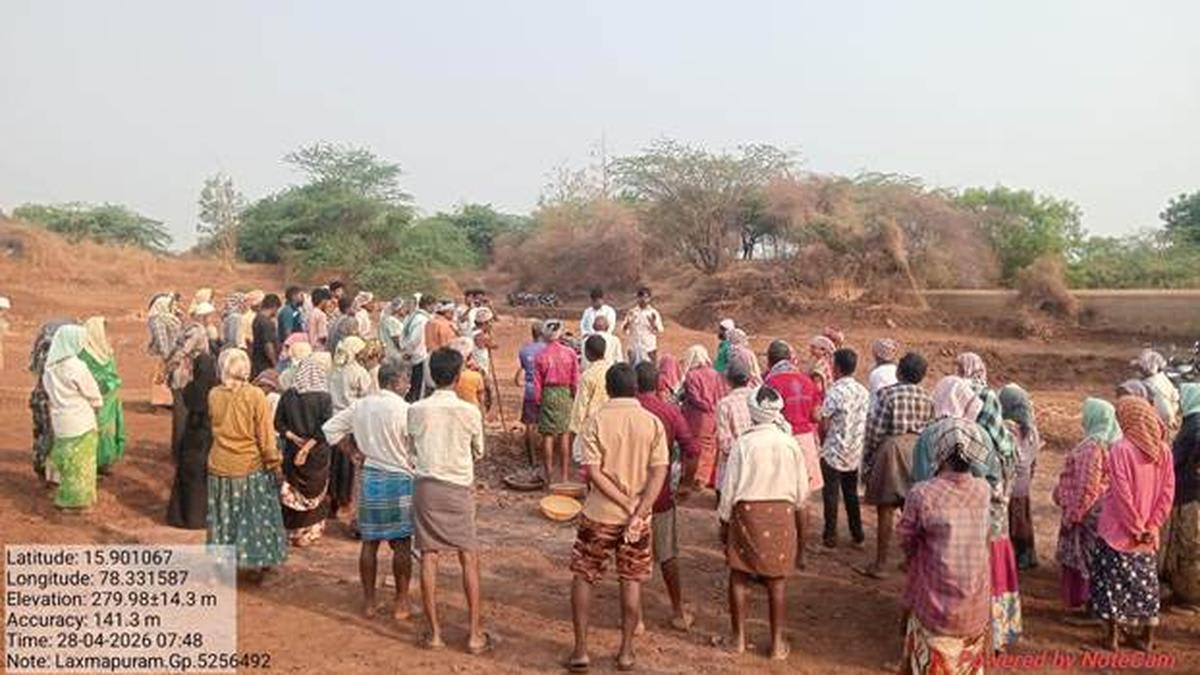
Across India, farmers are making that possibility real. In Bakingia village in Odisha's forested hills, 46-year-old Hemanta Pradhan tends fields of an unusual rice variety. Hundreds of miles away in Uttar Pradesh's Azamgarh district, 35-year-old Rajesh Singh Yadav grows the same crop on fertile plains.
They've never met, but they share a common mission. Both farmers are growing CR Dhan 310, India's first officially released high-protein biofortified rice.
Regular polished rice contains just six to eight percent protein. CR Dhan 310 pushes that number above 10 percent while adding digestible proteins and moderate zinc levels. For families eating rice two or three times daily, that difference quietly fights protein deficiency and micronutrient gaps, a crisis scientists call "hidden hunger."
Scientists at Cuttack's National Rice Research Institute created CR Dhan 310 by asking a different question than Green Revolution breeders. Instead of focusing only on yield, they wondered if rice could actively improve nutrition. Starting with the high-yielding Naveen variety, they stacked protein traits while keeping familiar grain characteristics and cooking qualities.
The real test came in farmers' fields. In 2025, the SAHARA organization introduced CR Dhan 310 to 65 farmers across five Kandhamal villages in Odisha. Hemanta watched carefully as his family tasted the new rice and traders responded to the unfamiliar grain.
Over two seasons on challenging rainfed hillside terrain, yields reached about six quintals per acre. His skepticism shifted to quiet optimism as the plants weathered dry spells and produced well-filled grain.
In Uttar Pradesh, Prayag Samruddhi Producer Company took a more organized approach. They sourced foundation seed from the research institute and started with four farmers before expanding to 34 more. Training sessions and digital tools helped farmers accustomed to small aromatic varieties embrace the change.
By the second season, yields averaged 54.6 quintals per hectare. Some farmers achieved as high as 78 quintals per hectare using improved practices like the System of Rice Intensification and water-saving techniques.
The Ripple Effect
The broader impact reaches beyond individual farms. In 2022, the research institute partnered with seven Farmer Producer Companies in Uttar Pradesh for seed production. These companies count 7,444 members, with 57 percent of them women, placing female farmers at the center of this nutritional revolution.
Women farmers aren't just growing CR Dhan 310. They're producing the seeds that will spread protein-rich rice across India's agricultural landscape. Each harvest multiplies the potential to reach families struggling with hidden hunger.
The variety maintains comparable yields to popular high-yielding rice while delivering significantly more nutrition. Farmers don't have to sacrifice income for impact.
One bowl at a time, India's rice basket is becoming its nutrition basket too.
More Images
%2Fenglish-betterindia%2Fmedia%2Fmedia_files%2F2026%2F03%2F11%2Ftbi-featured-image-48-2026-03-11-15-35-42.jpg)
%2Ffilters%3Aformat(webp)%2Fenglish-betterindia%2Fmedia%2Fmedia_files%2F2026%2F03%2F10%2Fcr-dhan-310-rice-and-paddy-2026-03-10-22-13-51.jpg)
%2Ffilters%3Aformat(webp)%2Fenglish-betterindia%2Fmedia%2Fmedia_files%2F2026%2F03%2F10%2Fphoto-cr-dhan-310-1-2026-03-10-22-14-34.jpg)
Based on reporting by The Better India
This story was written by BrightWire based on verified news reports.
Spread the positivity!
Share this good news with someone who needs it