India's Pearl Academy Blends AI with Human Creativity
At India's first AI-integrated design school, global fashion icons are teaching students that artificial intelligence won't replace creativity. Instead, they're learning to use both together.
Three of India's most successful fashion designers walked into Pearl Academy recently with a message students needed to hear: AI won't take your job, but someone who knows how to use it might.
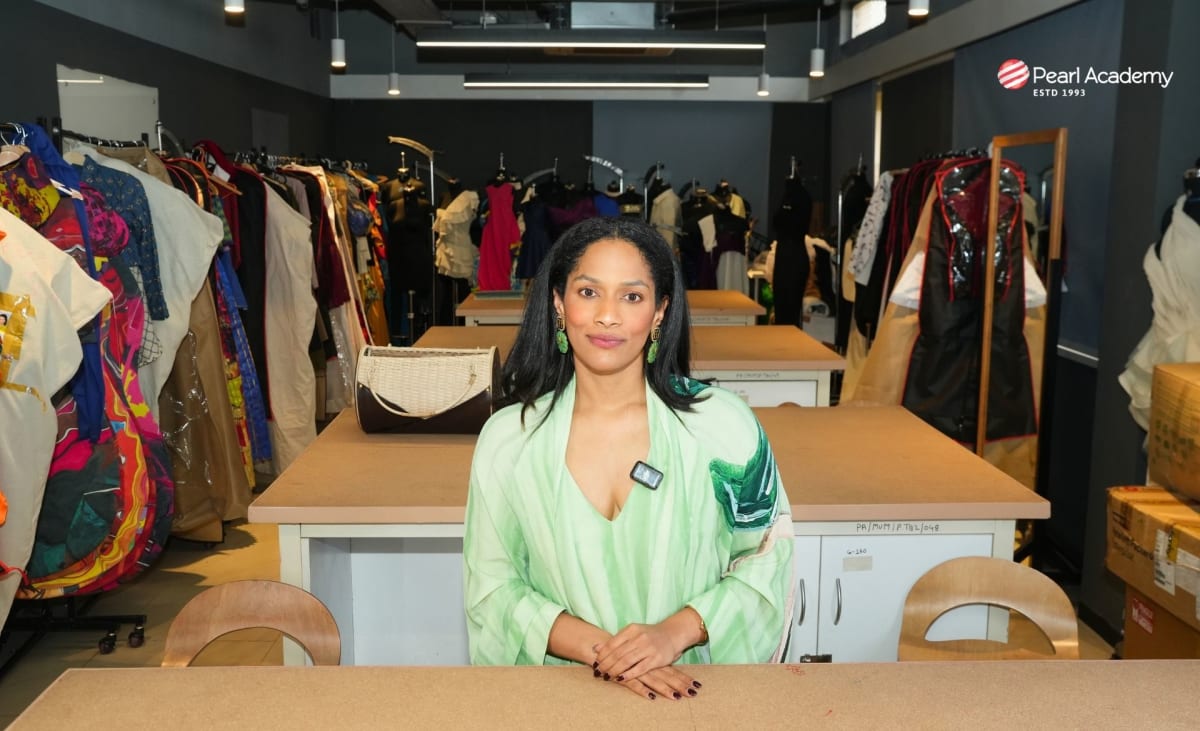
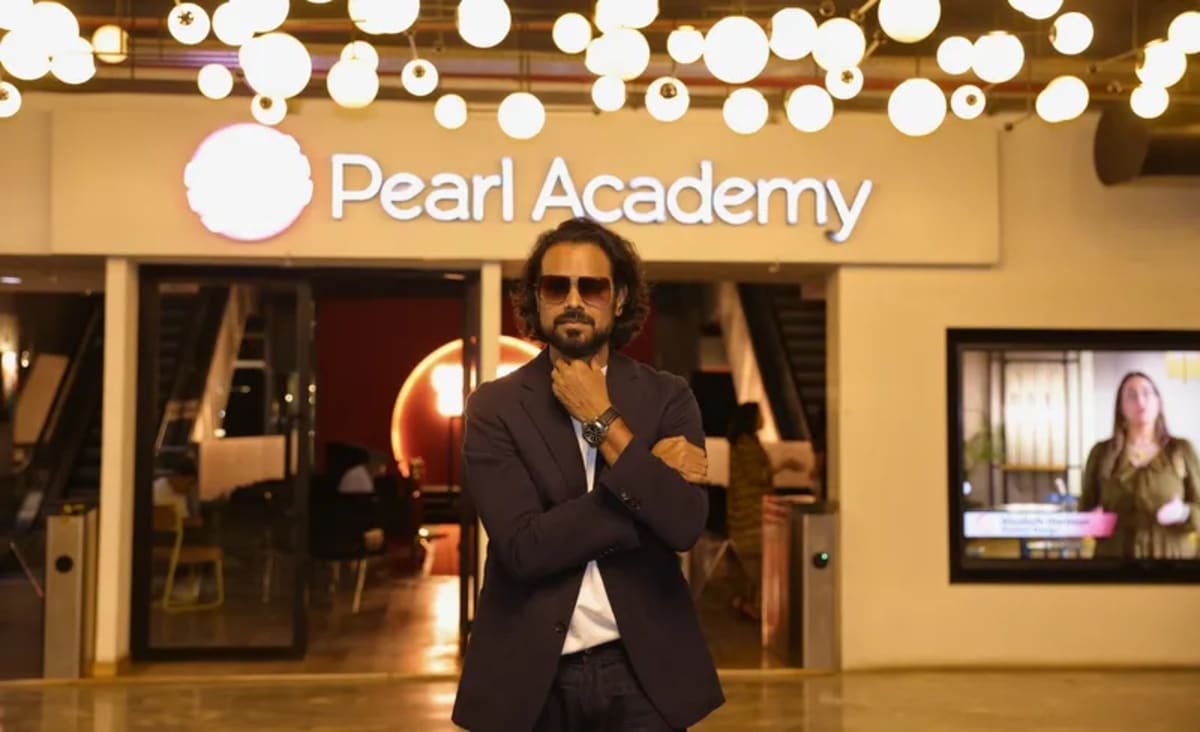
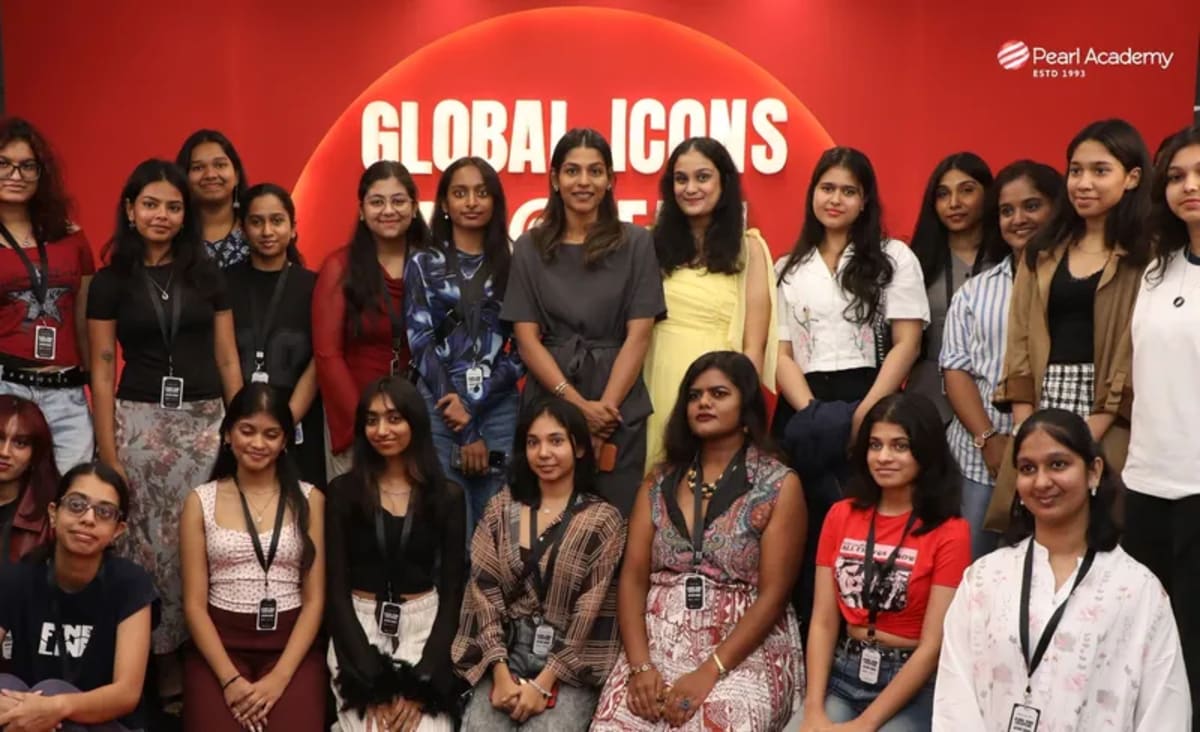
Rahul Mishra, Masaba Gupta, and Jayanti Reddy gathered at the design school's Global Icons Series to share what's really happening in creative industries. The verdict is surprisingly hopeful.
"AI is simply another assistant," Mishra told the room. "But the physical making, the craftsmanship, the human hand? That remains irreplaceable." The internationally acclaimed couturier said students should focus less on fearing technology and more on discovering their purpose.
Gupta brought a different energy with a direct challenge. "AI will not replace you. It will replace the person who doesn't embrace AI." She described creative workflows that once took days now wrapping up in minutes, freeing designers to think bigger rather than making them obsolete.
Reddy added the business perspective often missing from creative conversations. "I spend only 10% of my time creating today. The other 90% is business," she explained, having built one of India's leading luxury bridal brands through years of experimentation and persistence.
Pearl Academy is betting its entire model on this human plus machine approach. More than one-third of the curriculum now integrates AI, with students using generative tools alongside traditional design methods. Through a collaboration with OpenAI, the institution has woven artificial intelligence into its infrastructure rather than treating it as an add-on feature.
The school brings industry leaders directly into classrooms rather than waiting until after graduation. Students work on live projects with partners like Harvard, EY India, and Reliance Brands, applying lessons in real business contexts. When students asked the designers about pricing work, managing burnout, and building teams, they got unfiltered answers from people who've navigated those exact challenges.
The Ripple Effect
What's happening at Pearl Academy reflects a larger shift across creative industries. As AI tools become standard, the competitive advantage shifts from technical execution to original thinking, cultural understanding, and entrepreneurial vision. Schools integrating this reality early are giving students a genuine head start.
The three designers agreed on the timeline: this transformation isn't coming someday, it's happening now. Students graduating without AI fluency will face the same disadvantage as those who once entered the workforce without computer skills.
The future these industry veterans describe isn't about choosing between human creativity and artificial intelligence—it's about the magic that happens when both work together.
More Images


Based on reporting by YourStory India
This story was written by BrightWire based on verified news reports.
Spread the positivity!
Share this good news with someone who needs it