India's Wild Fruit Pickles Preserve Ancient Food Traditions
Long before supermarkets existed, Indian communities turned wild forest fruits into tangy pickles that connected them to their land. These traditional preserves are keeping ancient flavors and foraging knowledge alive across the country.
Before grocery stores lined shelves with bottled pickles, families across India were preserving the wild flavors of their forests, one rare fruit at a time.
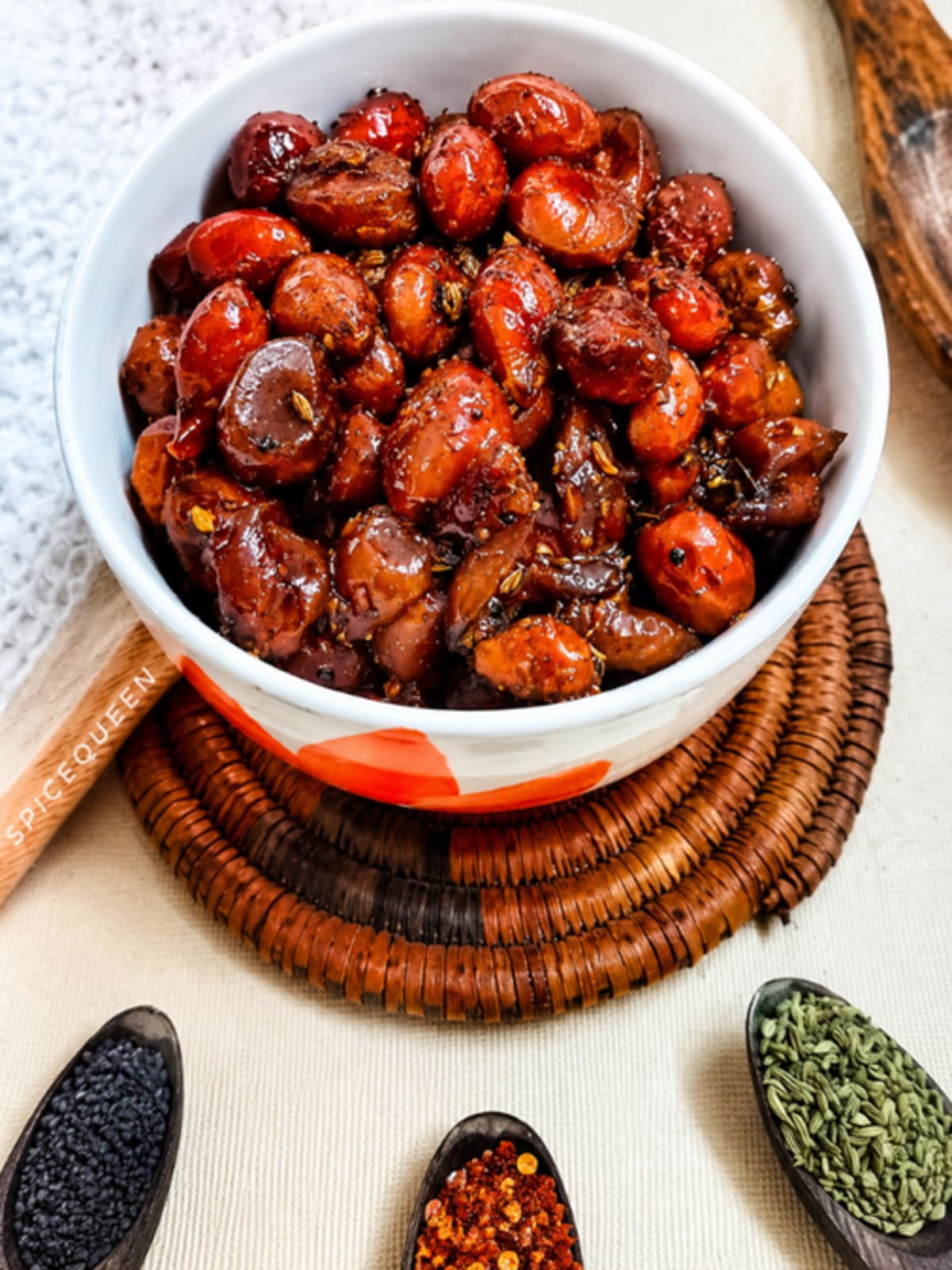
For generations, communities have transformed indigenous fruits into pickles that tell the story of their region. In Rajasthan, families pickle tart karonda berries that taste like cranberries. In Assam and the Northeast, cooks boil elephant apple slices with mustard oil and jaggery to create a sweet-spicy condiment.
These aren't just recipes passed down through families. They're living connections to local ecosystems and traditional knowledge about which wild plants are safe, nutritious, and delicious.
Take kokum from the Western Ghats, best known today as a refreshing summer drink. Coastal communities in the Konkan region also turn this tangy fruit into pickles that brighten meals. In Uttarakhand's mountains, foragers still collect timru berries from forests and preserve them with salt and spices, just as their ancestors did.
The sticky texture of lasora fruit makes it an unlikely pickle candidate, yet North Indian cooks have perfected this traditional delicacy. Mahua fruit, gathered from forests across central India, gets pickled by Indigenous communities who have used every part of the mahua tree for centuries.
Even common fruits take on new life in regional pickle traditions. Ber, or jujube, becomes a beloved condiment in West Bengal, Jharkhand, and Punjab when cooked with jaggery and aromatic spices.
Why This Inspires
These pickles represent something bigger than flavor. They're edible archives of biodiversity, preserving knowledge about fruits that don't appear in agriculture textbooks or modern farming systems.
When families make these traditional pickles, they're maintaining skills that connect people to wild landscapes. They're teaching younger generations which fruits grow in local forests and how to sustainably harvest them. They're keeping alive the understanding that food doesn't just come from farms and stores.
Every jar holds the taste of a specific place: the forests of Jharkhand, the hills of Uttarakhand, the Western Ghats. These regional specialties celebrate the incredible diversity of India's ecosystems and the creativity of communities who learned to preserve seasonal abundance.
In a world where industrial food systems dominate, these wild fruit pickles remind us that the most meaningful flavors often come from knowing your land deeply and honoring what it offers.
Based on reporting by The Better India
This story was written by BrightWire based on verified news reports.
Spread the positivity!
Share this good news with someone who needs it