Indigenous Australian Tea Wins Hearts Across Asia
An Indigenous family in Australia's Northern Territory is exporting traditional paperbark tea to Japan, Korea, and China, keeping ancient healing wisdom alive while building economic independence. The kulbanyi tea can be steeped three times, revealing different flavors each time.
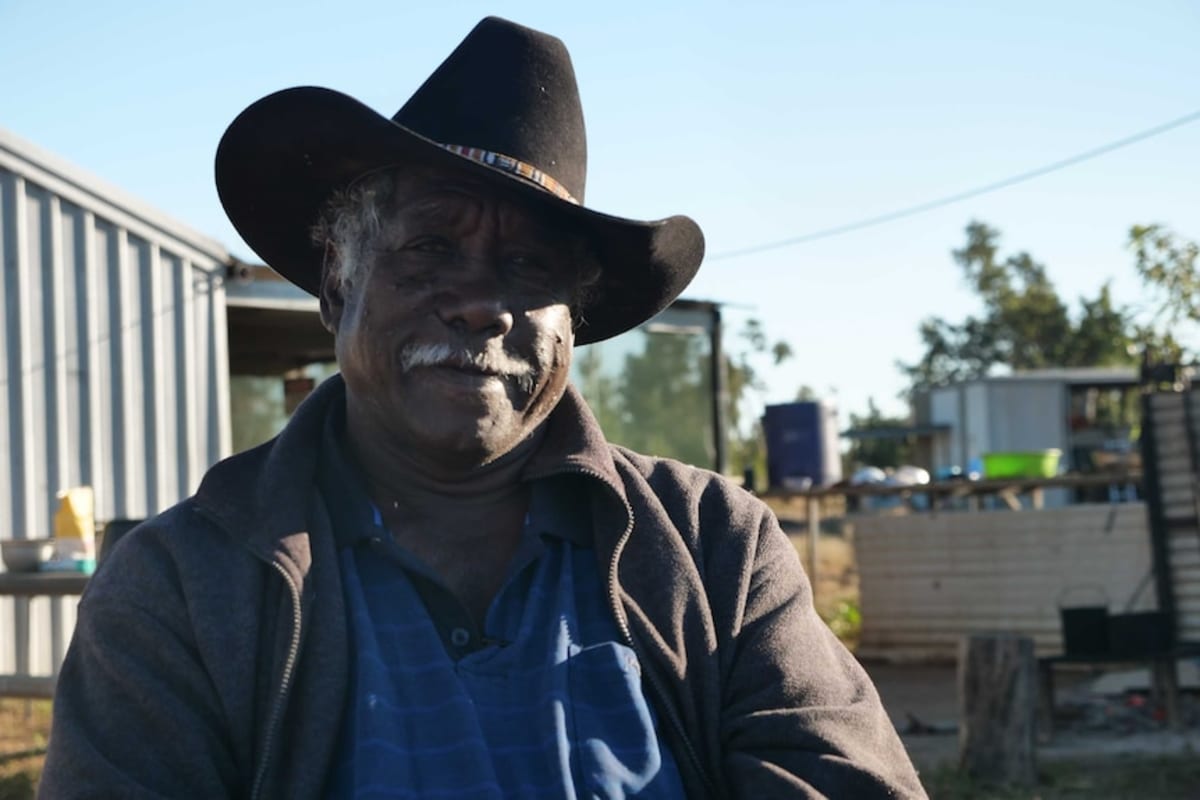
Frank Shadforth has been drinking kulbanyi tea his whole life, learning from elders who used paperbark leaves to treat chest pain, colds, and flu. Now, the Garawa man is sharing this ancient remedy with tea lovers across Asia.
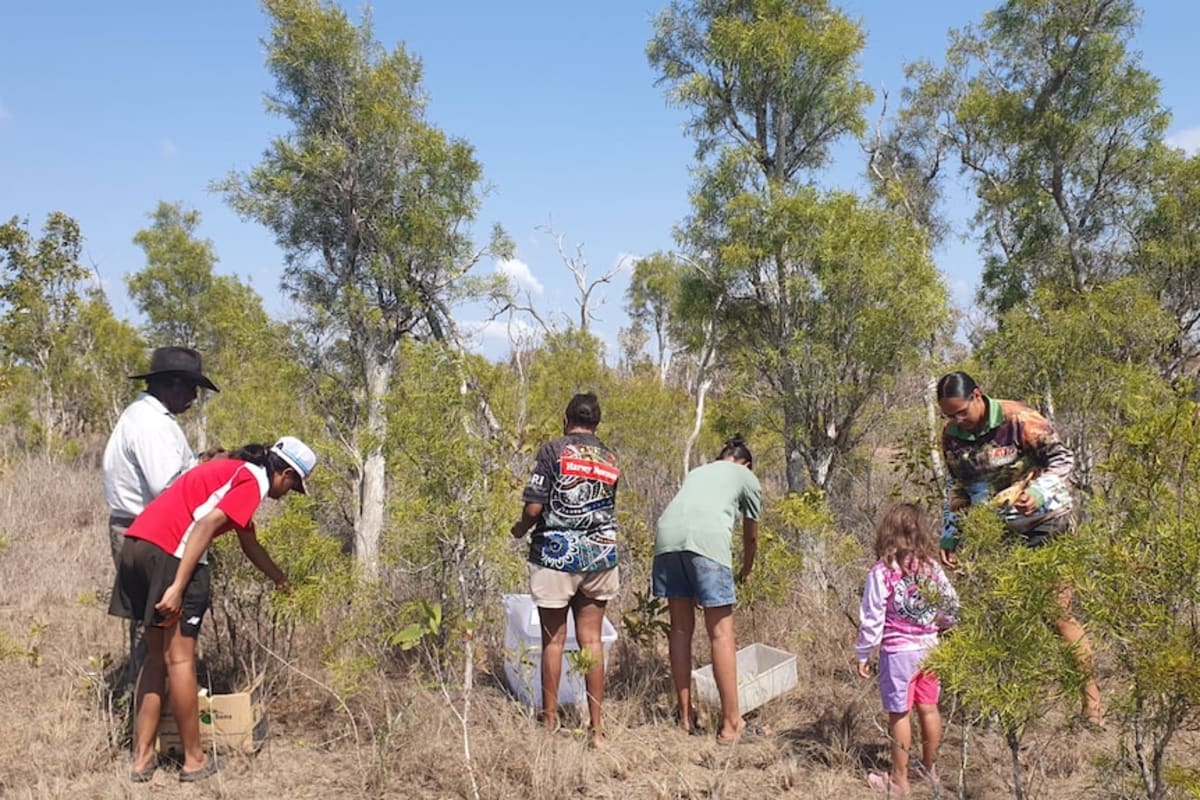
The Shadforth family harvests paperbark leaves from wild trees on their 400,000-hectare Seven Emu Station near the Gulf of Carpentaria, 900 kilometers southeast of Darwin. They dry and package everything on-site, processing about 100 kilograms each year for customers in Japan, Korea, and China.
What makes kulbanyi special goes beyond its medicinal history. The tea transforms with each steeping, starting with a clean eucalyptus taste, then shifting to citrus and chrysanthemum notes, and finally delivering strong pine flavors.
Jacob Davidson, head of strategy at FigJam and Co, recently introduced the tea to Asian buyers. The Indigenous-owned Brisbane company specializes in connecting Aboriginal producers with international markets for native superfoods.
Asian buyers responded with enthusiasm that surprised even Davidson. Japanese clients started dreaming up creative uses beyond teacups, proposing kulbanyi-infused biscuits and cocktails.
The Ripple Effect
The success of kulbanyi tea represents more than just export numbers. By handling harvesting, drying, and packaging at Seven Emu Station, the Shadforth family keeps profits flowing directly into their Northern Territory community instead of shipping raw materials elsewhere for processing.
This local control matters deeply for Indigenous economic independence. Many Aboriginal landowners produce bush foods but lack the infrastructure to process them on their own land, losing value and opportunity.
Shadforth sees kulbanyi's international success as proof that Australia's native foods deserve more attention. He believes the country should invest more in natural crops that grow wild rather than clearing land and adding fertilizers for conventional agriculture.
The kulbanyi story shows how traditional knowledge can create modern opportunities when Indigenous communities maintain ownership of the entire production chain.
More Images


Based on reporting by ABC Australia
This story was written by BrightWire based on verified news reports.
Spread the positivity!
Share this good news with someone who needs it