Indigenous Land Practices Cut Carbon, New Study Shows
Indigenous communities worldwide are protecting forests and storing carbon through traditional practices like sacred land preservation and sustainable harvesting. New research proves their success comes from cultural stewardship, not remoteness.
Indigenous peoples have been quietly solving the climate crisis for thousands of years, and science is finally catching up to explain how.
New research from Conservation International reveals that traditional Indigenous practices directly protect forests, wildlife, and carbon storage across six continents. The study interviewed 49 Indigenous leaders from the Amazon to East Africa, uncovering specific techniques that keep their lands remarkably healthy.
Lead researcher Sushma Shrestha, who is Indigenous Newar from Nepal, said the findings challenge a dangerous myth. Many policymakers assume Indigenous territories thrive because they're remote or empty, but that couldn't be more wrong.
The health stems from deliberate stewardship. Ninety-six percent of surveyed communities maintain sacred spaces that also protect entire ecosystems. Communities monitor their lands through patrols, restrict overfishing, and actively resist extractive industries like mining and logging.
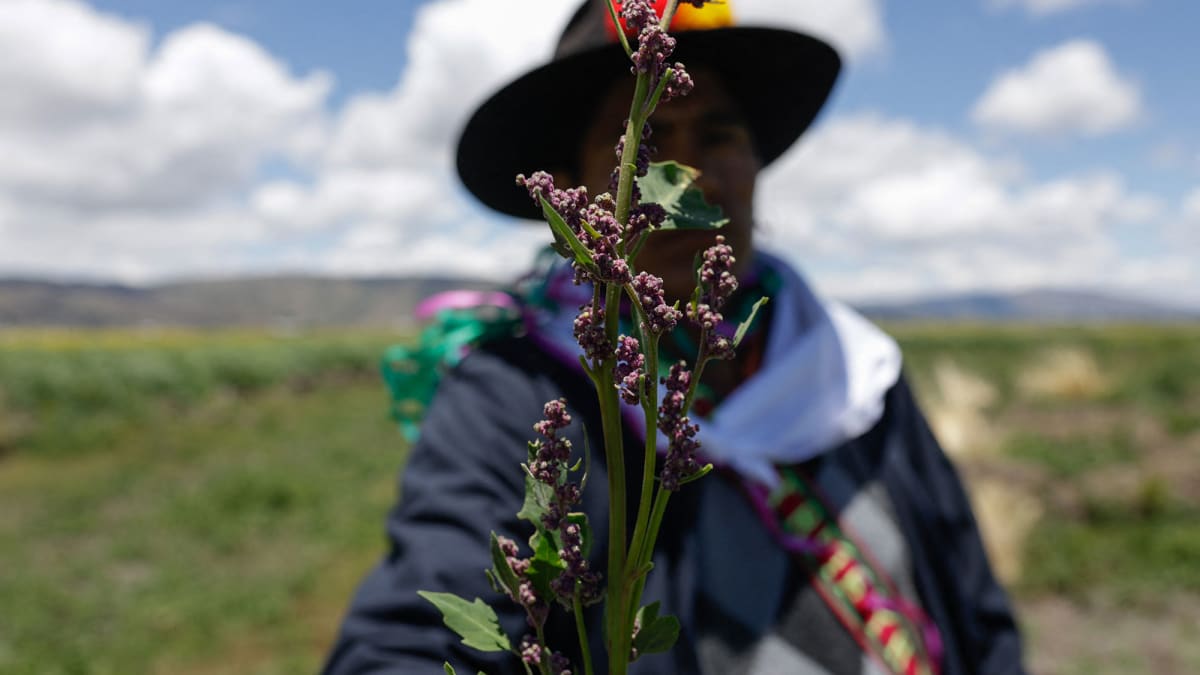
The Kichwa people in Ecuador protect female tapirs from hunting to preserve populations. The Tacana people in Bolivia ban tree clearing along rivers to maintain water quality and prevent erosion. These practices work.
The Ripple Effect
The implications stretch far beyond Indigenous territories. All of humanity relies on these lands for carbon storage and biodiversity, yet the people protecting them face escalating threats.
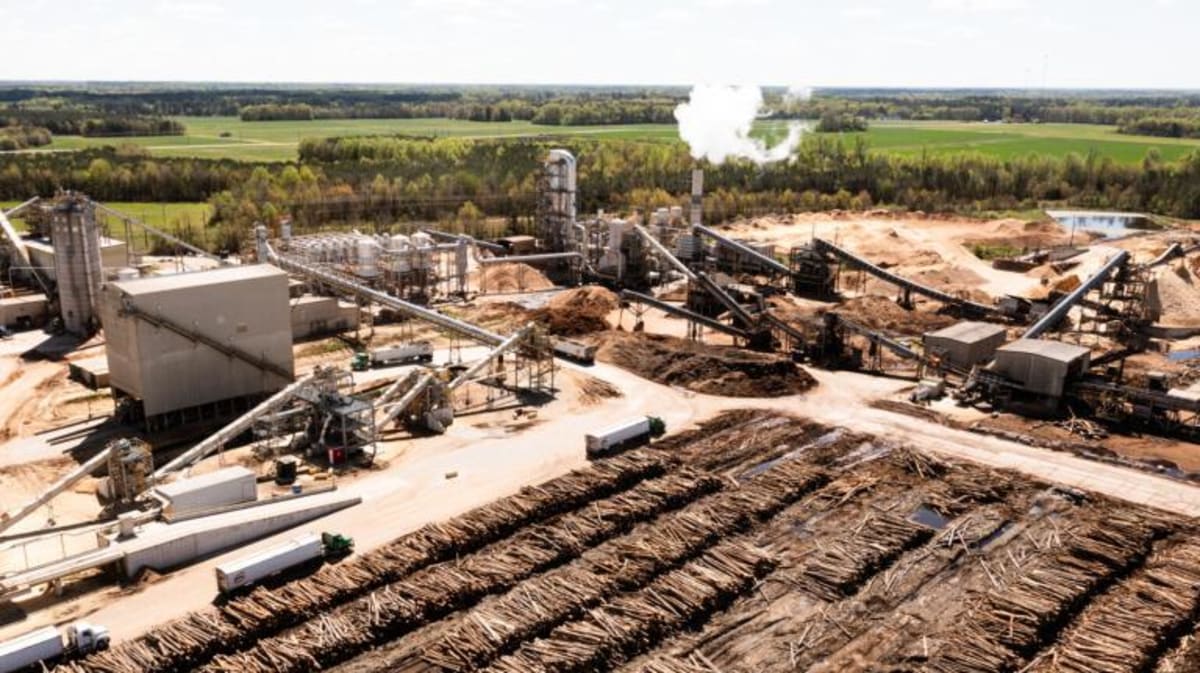
Every surveyed community experiences drought and extreme weather from climate change. More than half battle mining, commercial agriculture, and logging operations that threaten centuries-old stewardship practices.
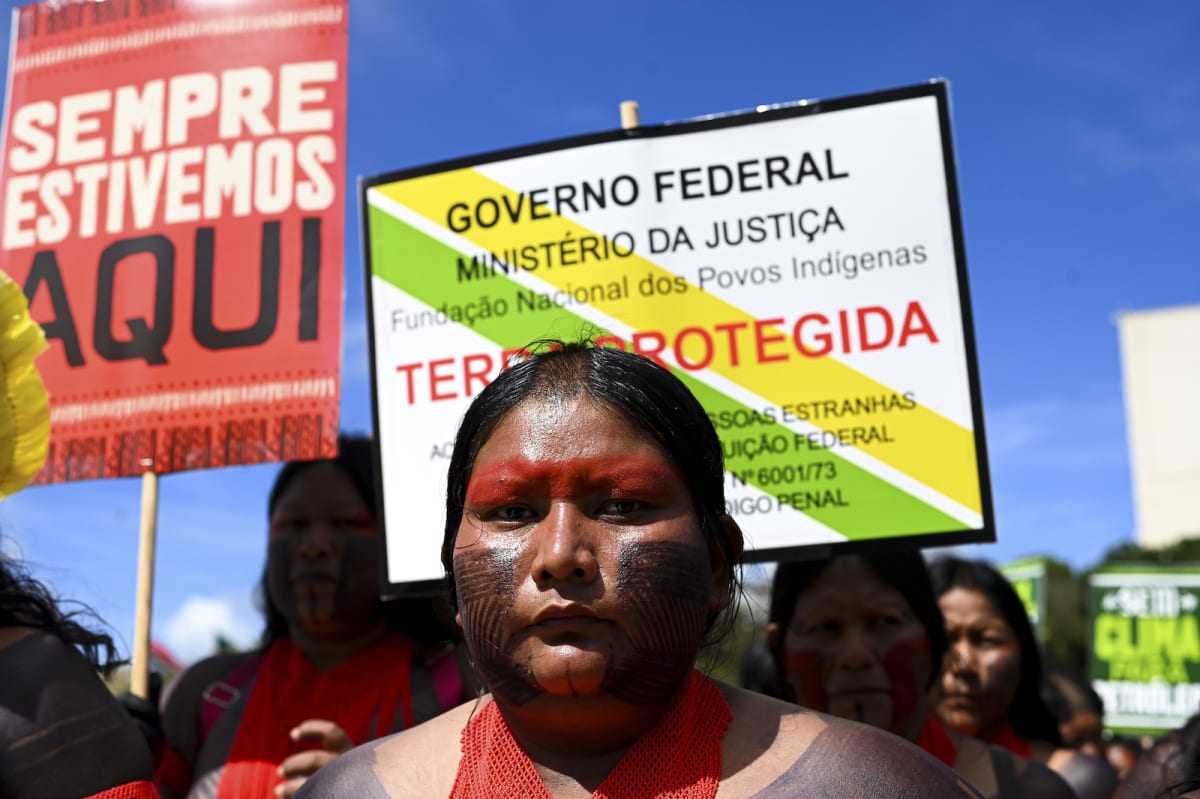
Indigenous leaders aren't just asking for help. They're offering solutions the rest of the world desperately needs. They're requesting legal protections for their lands, access to climate resilience funding, and recognition of their decision-making authority in conservation efforts.
Previous research confirms that forests on Indigenous lands are the world's healthiest and that conservation succeeds when Indigenous communities lead. This study adds crucial evidence that culture and traditional knowledge drive those results.
Hindou Oumarou Ibrahim, Indigenous Mbororo from Chad and former chair of the UN Permanent Forum on Indigenous Issues, wrote that protecting Indigenous knowledge requires protecting Indigenous peoples and their land rights first.
Shrestha emphasized that securing Indigenous land rights benefits everyone, not just individual communities. As climate threats escalate, the world needs every solution available, and Indigenous peoples have been perfecting theirs for millennia.
More Images


Based on reporting by Google News - Climate Solution
This story was written by BrightWire based on verified news reports.
Spread the positivity!
Share this good news with someone who needs it