Indonesia Village Saves Rare Birds, Keeps Sacred Ritual
An Indigenous community on Indonesia's Seram Island found a way to protect endangered cockatoos while preserving their ancient coming-of-age ceremony. The solution? Use naturally shed feathers instead of hunting the rare birds.
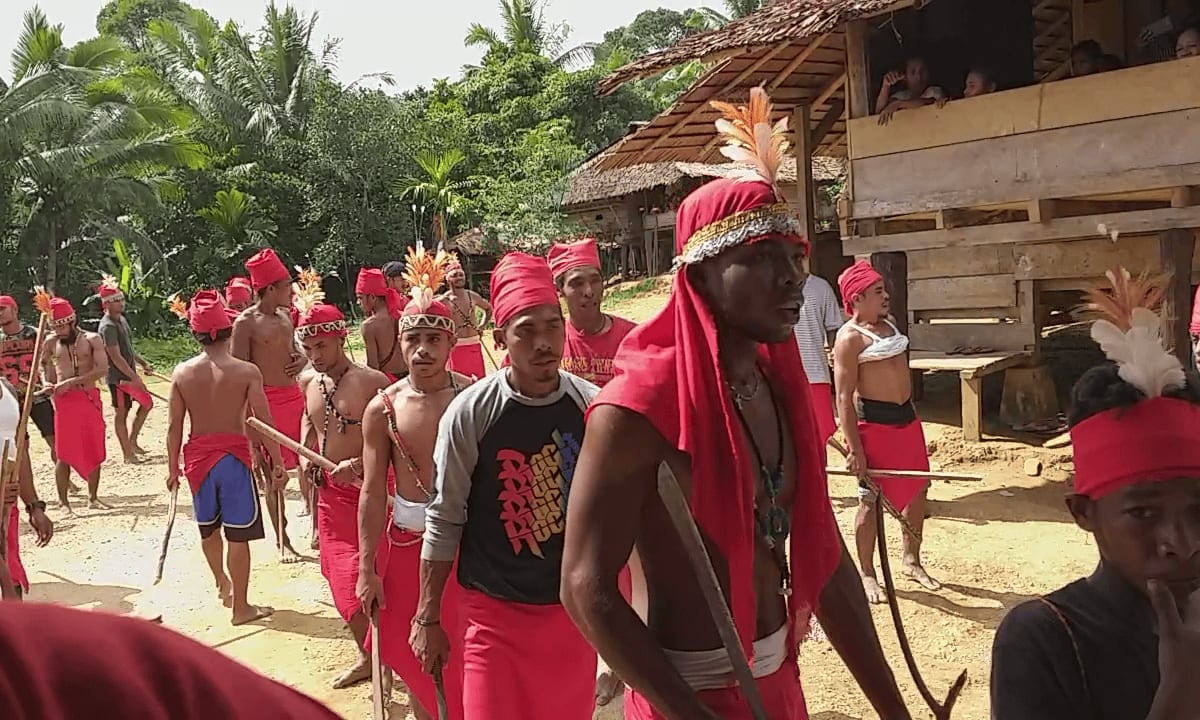
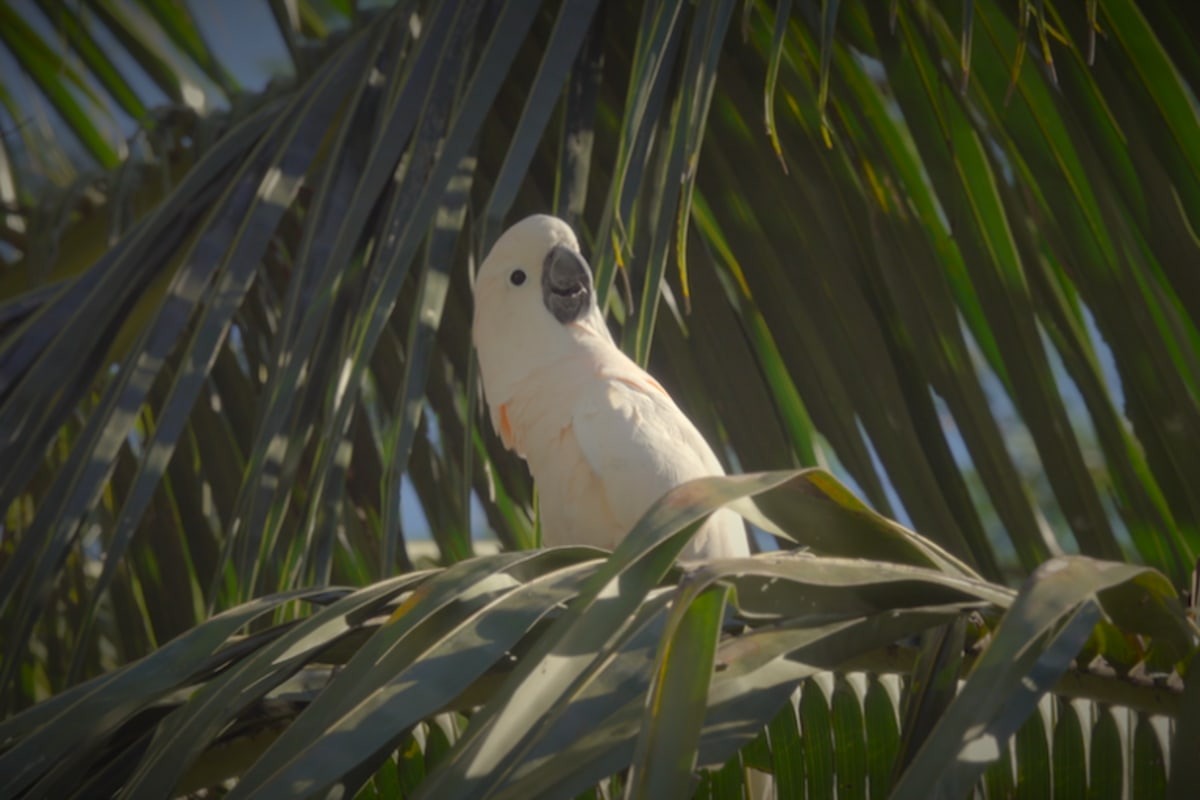
For centuries, young men in the Huaulu village earned their place as adults by wearing the distinctive pink and white crest feathers of the salmon-crested cockatoo. But as the rare birds disappeared from the wild, the community faced an impossible choice between their sacred tradition and the survival of a species found nowhere else on Earth.
They chose both.
A new study published in the Journal of Ethnobiology reveals how the Huaulu people transformed their Cidaku initiation ceremony without losing its meaning. Working with conservationists and government officials, they agreed to use feathers naturally shed by cockatoos in rehabilitation centers and zoos instead of hunting wild birds.
The change came from an unexpected place. When researchers interviewed community members, they discovered that the feathers themselves held the sacred power, not the act of hunting. The white feathers symbolize peace and community, while the peach-tinged ones represent strength and courage.
Some elders worried at first that skipping the hunt might weaken these associations. But younger men saw it differently. With wild cockatoo numbers plummeting, finding feathers had become so difficult that initiation ceremonies risked being delayed indefinitely.
The salmon-crested cockatoo desperately needs this help. Populations in Manusela National Park, which overlaps the Huaulu's forest territory, have dropped by more than half in some areas. Wildlife trafficking and habitat loss drive most of the decline, though ceremonial hunting played a smaller role.
The Huaulu themselves drew a sharp line between their sacred use and commercial trade. They pointed to international online marketplaces selling cockatoo feathers in 2024 as the real threat to the birds' survival.
The Ripple Effect
This collaboration shows something conservationists have long suspected: protecting nature works better when it respects cultural traditions rather than imposing rules from the outside. The agreement doesn't just save birds. It revitalizes ancient forest taboos and strengthens customary laws against profiting from wildlife.
Researcher Dwi Agustina from Indonesia's Cockatoo Conservation Association notes that the Huaulu view Seram's forests as a living realm inhabited by powerful spirits. "The use of cockatoo feathers is specifically embedded within this cultural system and is very different from hunting birds for commercial purposes," she explains.
The feather bank now allows young Huaulu men to complete their passage to adulthood without adding pressure to wild populations. It's a model that honors both heritage and hope, proving that ancient wisdom and modern conservation can walk the same path forward.
More Images


Based on reporting by Mongabay
This story was written by BrightWire based on verified news reports.
Spread the positivity!
Share this good news with someone who needs it