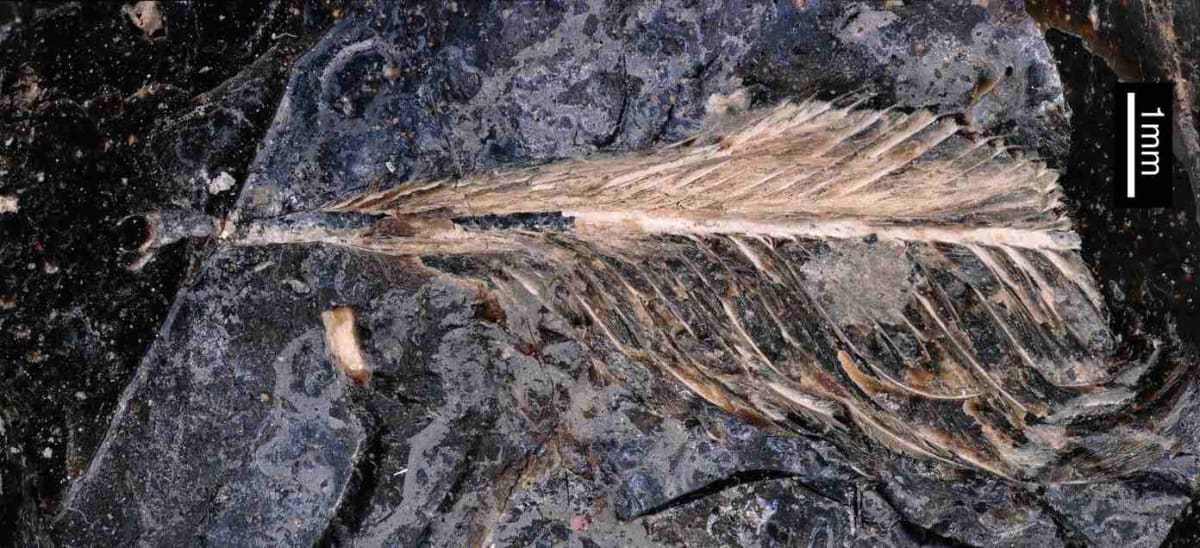
Injured Sea Predator Survived 180 Million Years Ago
A dolphin-like predator with severe injuries adapted its diet and lived on despite having damaged jaws that should have made hunting impossible. Scientists found stomach stones and worn teeth proving the 21-foot ichthyosaur found a way to survive in ancient seas.
When scientists unearthed a giant ichthyosaur fossil in a German clay pit, they discovered something extraordinary: proof that even 180 million years ago, life found a way to overcome devastating injuries.
The marine predator, roughly 21 feet long, suffered serious trauma to its shoulder and jaw joints that should have ended its ability to hunt. Yet the creature adapted and survived, leaving behind a remarkable story preserved in stone.
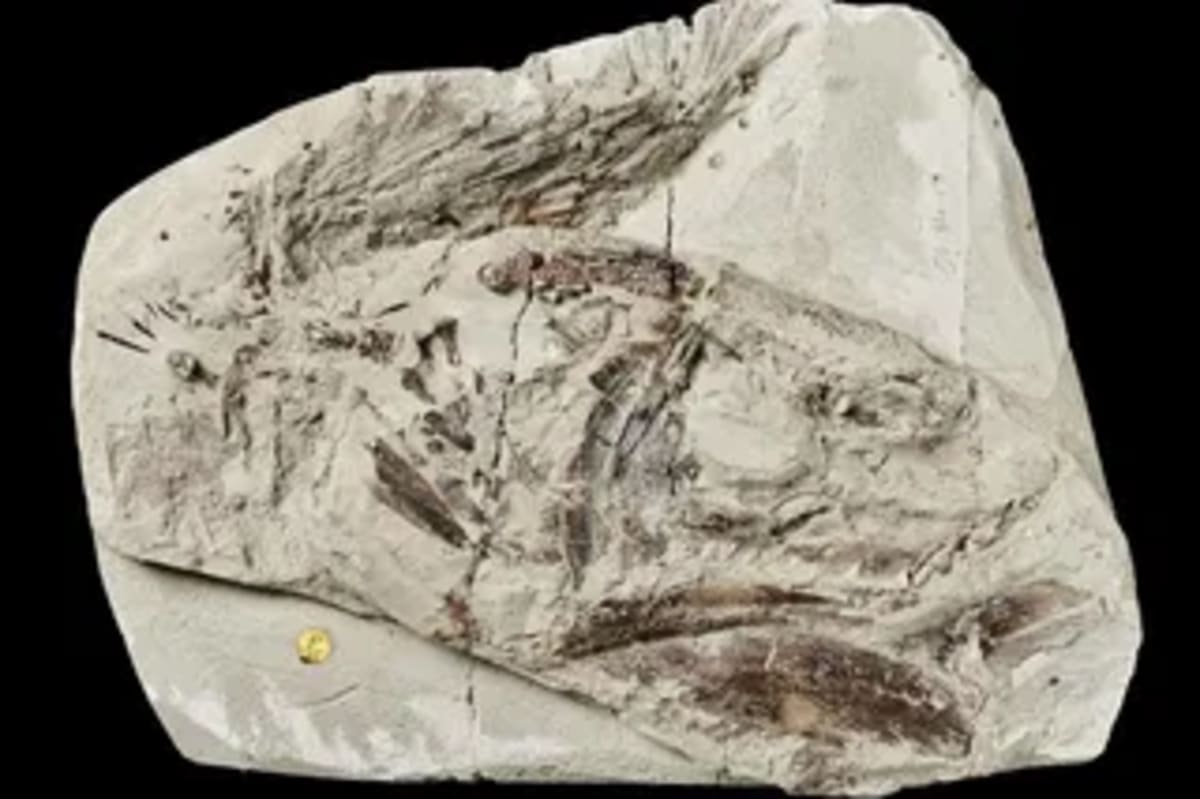
Researchers from the Mistelgau clay pit near Bayreuth, Germany, found the nearly complete fossil with its skull, jaw, fins, spine, and over 100 teeth intact. The level of preservation was stunning, with delicate eye and palate structures still visible in three-dimensional detail.
The real mystery came from inside the creature's stomach. Scientists discovered gastroliths, small stones rarely found in this type of ichthyosaur, which may have helped grind food when the animal's damaged jaws could no longer catch prey effectively.
"The injuries likely significantly limited the animal's ability to catch prey," explained study author Stefan Eggmaier. "The fact that it nevertheless survived is evidenced, among other things, by its heavily worn teeth and gastroliths."
The heavily worn teeth combined with the stomach stones suggest this predator completely changed its feeding strategy. Instead of actively hunting fast-moving fish, it likely shifted to softer prey or developed alternative methods to process food.
Why This Inspires
This ancient creature's story resonates today because it shows that survival isn't always about strength or speed. Sometimes it's about adaptation and persistence. When life threw this predator a challenge that should have been fatal, it found another path forward.
The discovery also pushes back the timeline for when these giant marine reptiles lived in what is now Germany. Until now, scientists believed this genus disappeared from the region much earlier in history.
Researchers will continue analyzing the teeth and bones to understand exactly how this remarkable animal survived. Each detail helps paint a clearer picture of life in Jurassic seas and the incredible resilience of prehistoric creatures.
Against impossible odds, one injured predator refused to give up and lived to tell its tale millions of years later.
More Images



Based on reporting by Google: fossil discovery
This story was written by BrightWire based on verified news reports.
Spread the positivity!
Share this good news with someone who needs it