Inner Mongolia Turns Coal Into Clean Energy Backup
China's top renewable energy region is building power plants that flip the script on coal, using it only to back up wind and solar instead of as the main energy source. The two desert plants will power major cities with mostly green energy.
China just approved a groundbreaking shift in how the world's biggest coal consumer uses fossil fuels.
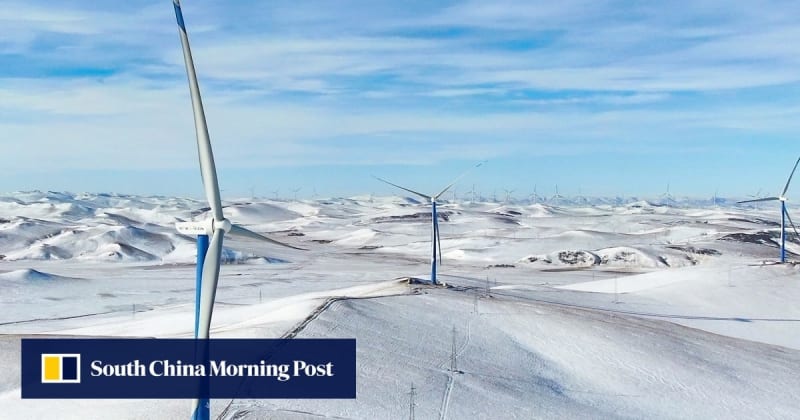
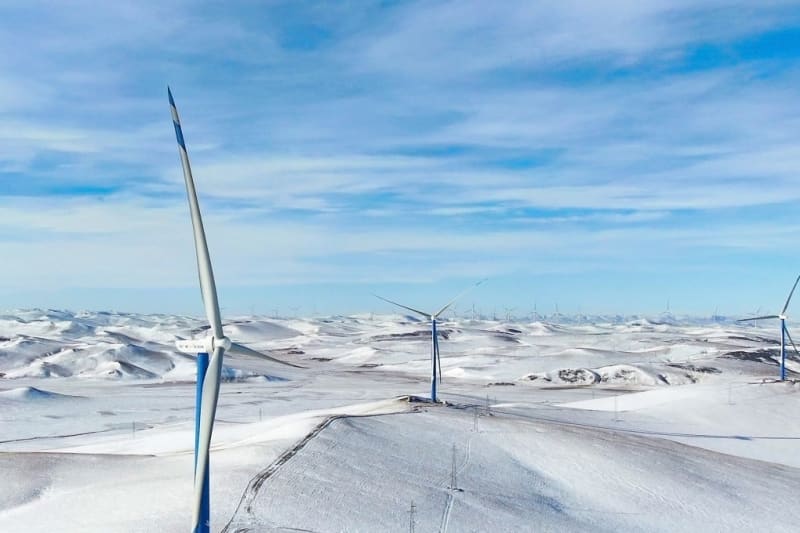
Inner Mongolia, which holds a quarter of China's coal reserves, is building two new power plants in the Kubuqi Desert that put renewable energy first. Coal will only kick in when the sun isn't shining and the wind isn't blowing.
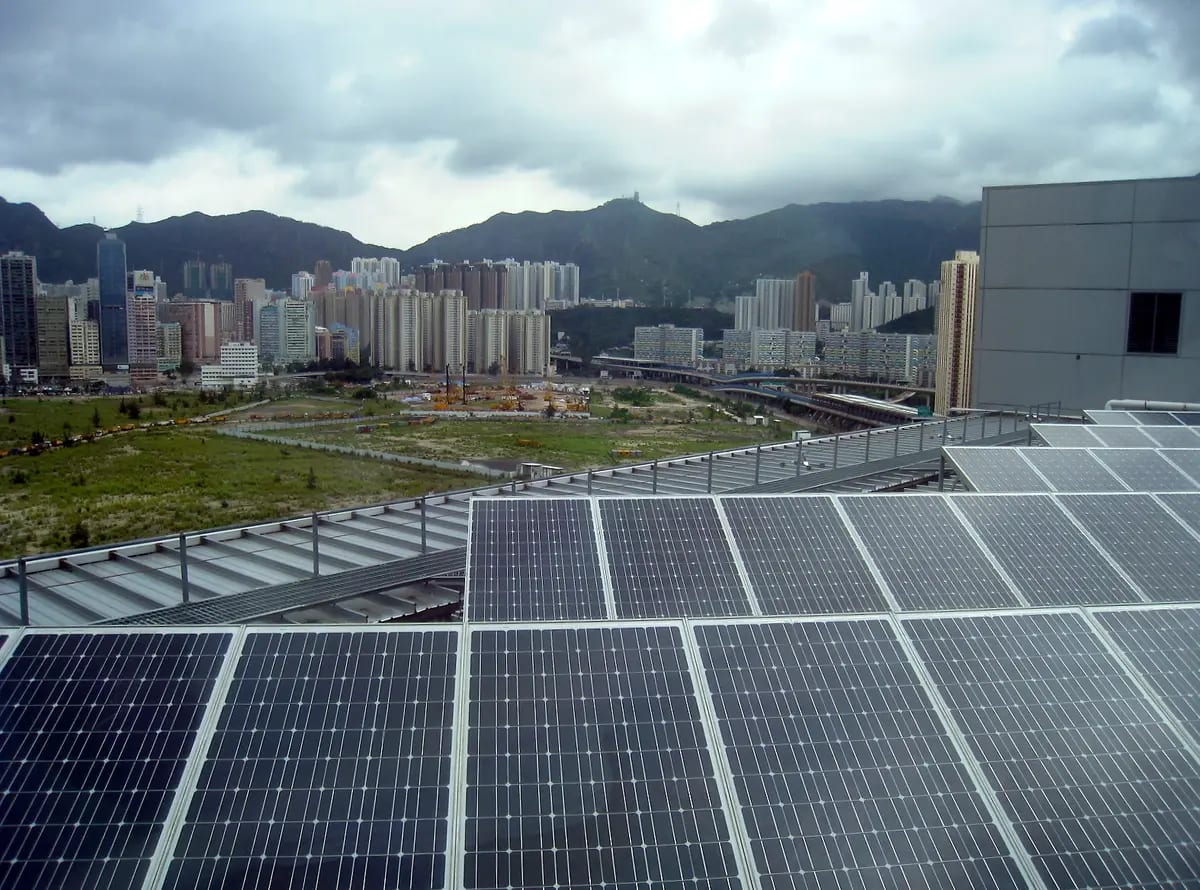
The Shanghai plant will generate 8 gigawatts of solar power and 4.5 gigawatts of wind power, with just 2.6 gigawatts of coal as backup. The region's energy bureau confirmed the National Energy Administration approved both projects this year.
A similar plant will power Jiangsu province, one of China's busiest economic centers. Both facilities will use new energy storage systems to capture excess renewable power for later use.
This marks a complete reversal in strategy. For decades, coal powered China's massive economy while renewables played a supporting role. Now those roles are switching.
Inner Mongolia has quietly become China's renewable energy leader despite sitting on enormous coal deposits. The region produces more wind and solar power than any other part of the country.
The flexible design solves renewable energy's biggest challenge: inconsistency. Solar panels go dark at night and wind turbines stand still on calm days. These plants will store green energy and use minimal coal only when absolutely necessary.
Both plants will transmit power hundreds of miles east to Shanghai and Jiangsu, where energy demand keeps growing. The long-distance transmission shows China's expanding renewable infrastructure can now reach its biggest cities.
The Ripple Effect
This project could become a template for coal-dependent regions worldwide. Countries from India to Indonesia are watching how China balances energy security with climate goals.
The timing matters too. As global temperatures rise and renewable technology improves, major economies need practical ways to phase out coal without risking blackouts. Inner Mongolia is showing it's possible to keep coal plants as insurance while running primarily on sun and wind.
If these desert plants succeed, other coal-heavy regions might follow the same path. That could accelerate the world's transition away from fossil fuels faster than anyone expected.
Construction starts this year, bringing jobs to a desert region while powering two of China's most important economic zones with mostly clean energy.
More Images
Based on reporting by Google News - Clean Energy
This story was written by BrightWire based on verified news reports.
Spread the positivity!
Share this good news with someone who needs it