Interstellar Comet 3I/ATLAS Bids Farewell After 7-Month Visit
After a seven-month journey through our solar system, interstellar comet 3I/ATLAS has faded from view, leaving astronomers with treasure trove of data from one of the most-studied comets in history. The ancient visitor from another star system is now heading back into deep space, reminding us of the wonders waiting beyond our cosmic neighborhood.
A comet from another star system just said goodbye to our corner of the universe, and astronomers worldwide are celebrating what they learned during its brief visit.
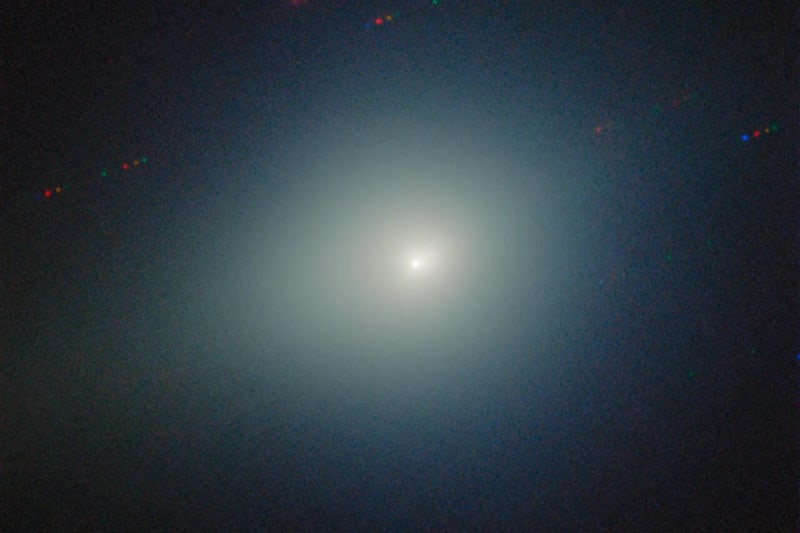
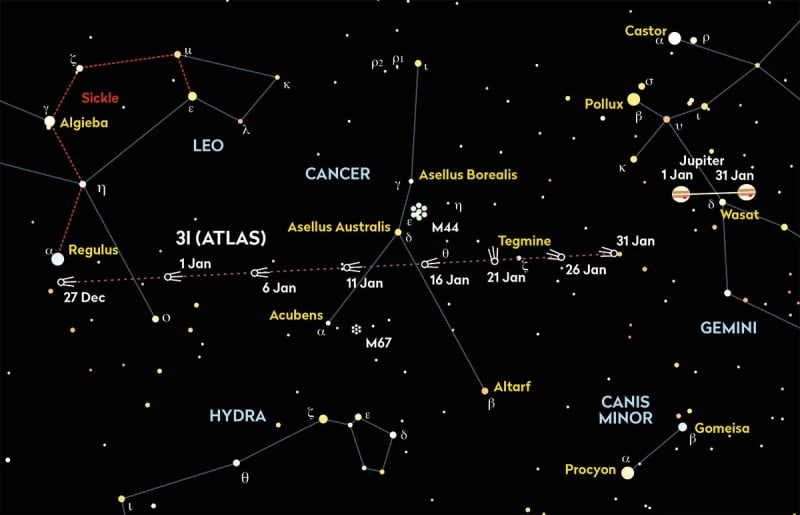
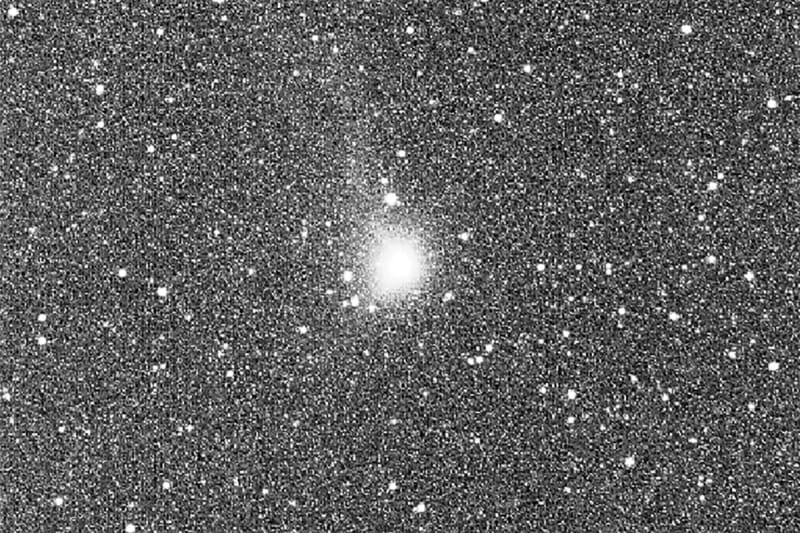
Comet 3I/ATLAS, discovered in July 2025 by a telescope in Chile, has now faded beyond the view of most telescopes as it speeds away from Earth. The cosmic traveler is currently passing through the constellation Cancer, shining at just 14th magnitude and visible only to the most powerful telescopes on Earth.
This wasn't just any comet. It was a chunk of ancient ice born around another star, somewhere far out in the Milky Way, making its way through our solar system for the first and likely only time.
When news of the comet first broke, social media exploded with wild speculation about alien spacecraft and invasion fleets. But scientists quickly confirmed what they suspected: this was a natural object, just an incredibly special one.
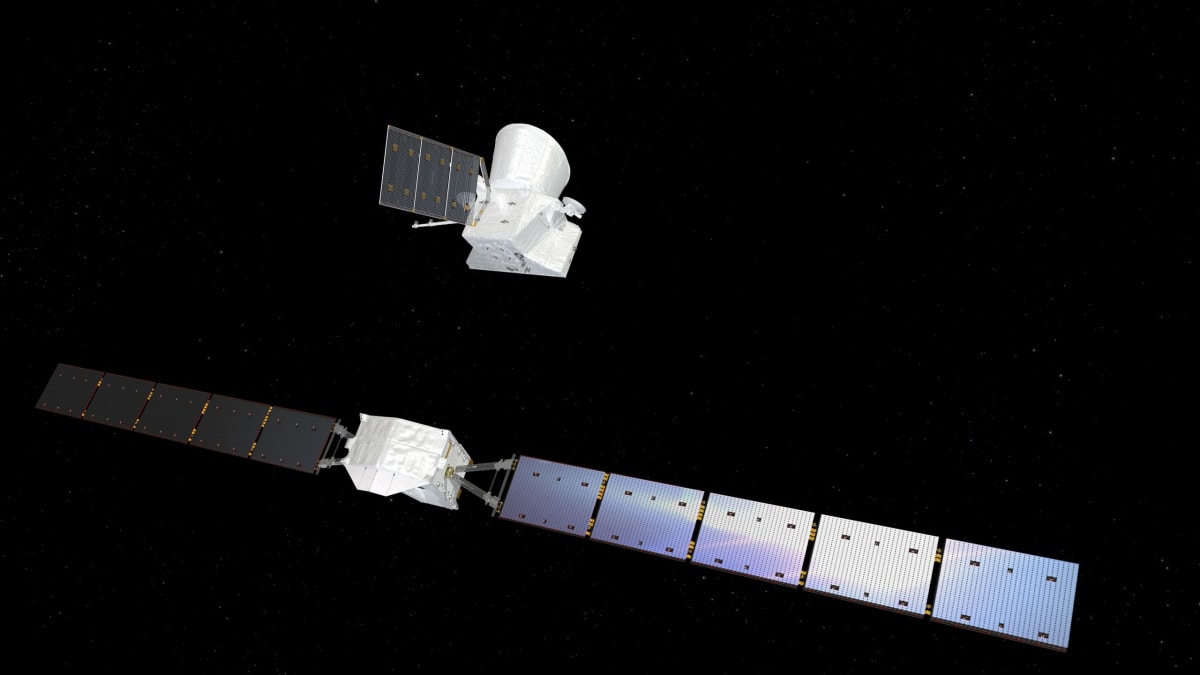
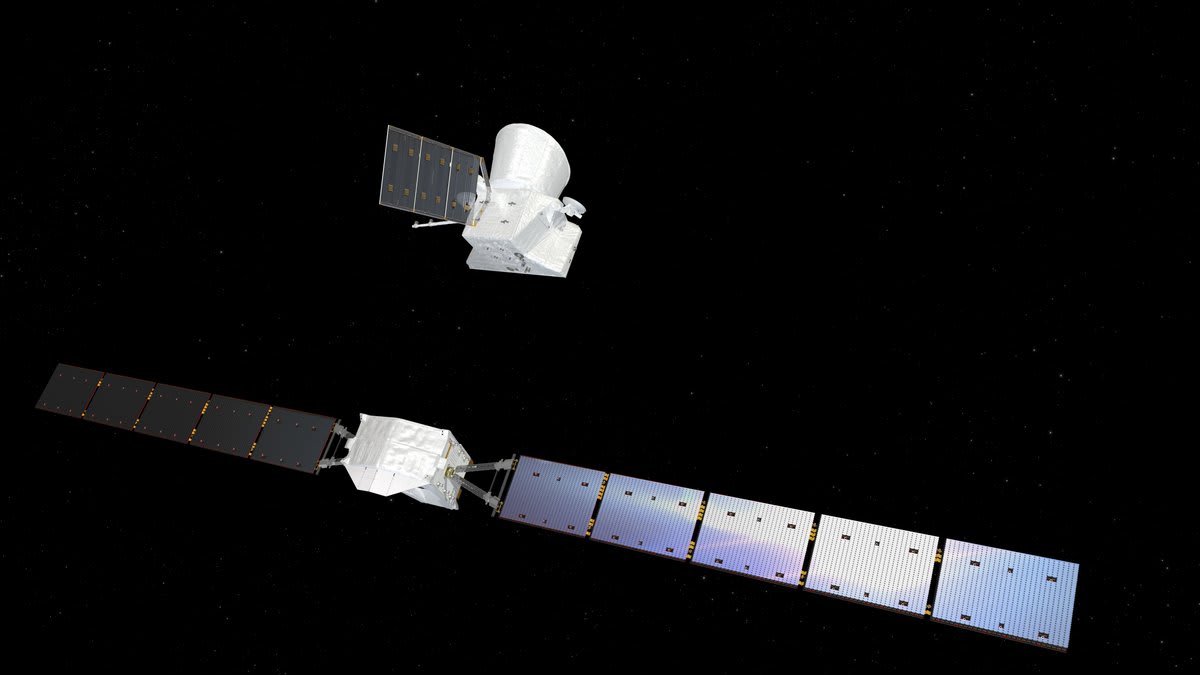
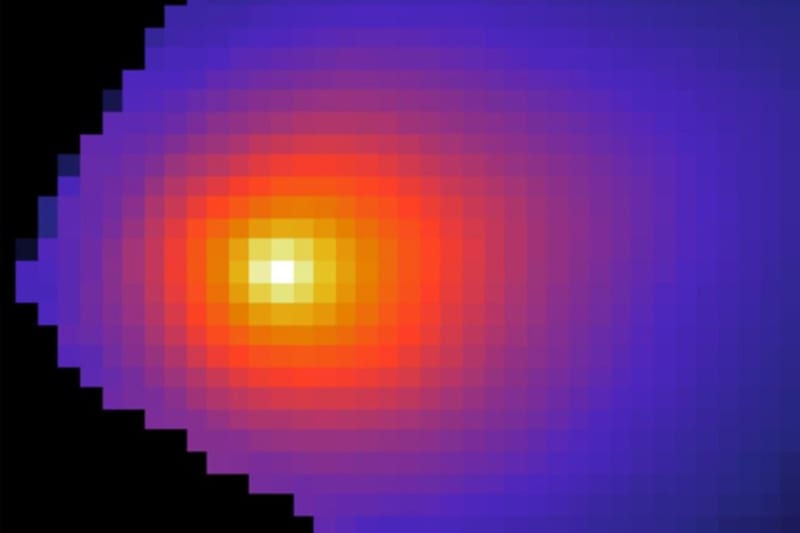
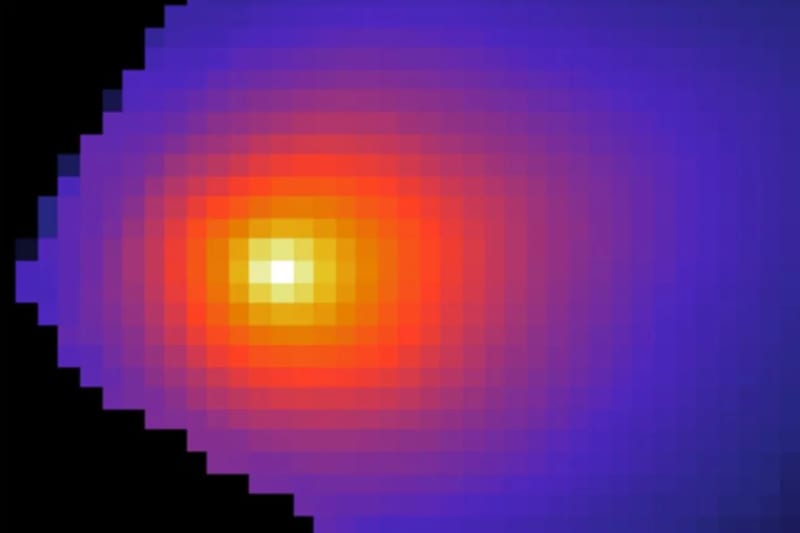
Astronomers mobilized everything they had to study this rare visitor. The Hubble Space Telescope captured stunning images, while the James Webb Space Telescope analyzed its composition with infrared instruments. Space probes orbiting Mars photographed it as it passed the Red Planet, making 3I/ATLAS one of the most observed comets in history.
The comet reached its closest point to the Sun in late October 2025, skimming just inside Mars' orbit at about 1.4 astronomical units. Now it's heading outward, currently sitting 2 to 3 astronomical units from the Sun and gaining distance every day.
The Ripple Effect
The data collected during 3I/ATLAS's visit will keep scientists busy for years. They learned about its size, structure, and composition, gathering clues about star systems beyond our own. Every measurement helps astronomers understand how comets form around different stars and what conditions exist in distant parts of our galaxy.
In March 2026, the comet will pass close to Jupiter, which may slightly alter its path. By July, it will cross Saturn's orbit, continuing its journey toward the outer reaches of our solar system. It will pass Uranus in April 2027 and Neptune a year later before heading into the Oort cloud and eventually back into interstellar space.
Amateur astronomers also got in on the action. One observer captured the comet with a small telescope on a freezing November morning, describing the thrill of seeing that tiny greenish smudge on their phone screen, a visitor from impossibly far away.
Professional telescopes will continue tracking 3I/ATLAS as long as possible, watching it shrink and fade until it finally disappears from view completely. Then astronomers will turn their attention skyward again, waiting for the next interstellar visitor to arrive.
With modern automated surveys constantly scanning the skies, that wait probably won't be long, and when the fourth interstellar object arrives, scientists will be ready to greet it with even better tools and knowledge gained from this remarkable encounter.
More Images
Based on reporting by Google: James Webb telescope
This story was written by BrightWire based on verified news reports.
Spread the positivity!
Share this good news with someone who needs it