Webb Telescope Finds Paired Rogue Planets in New Region
Astronomers discovered two pairs of Jupiter-sized planets floating through space without a star, strengthening evidence that these mysterious objects are real. The finding comes from a different region of the Milky Way than previous discoveries.
Astronomers just confirmed something that sounds like science fiction: pairs of giant planets tumbling through space together, completely untethered to any star.
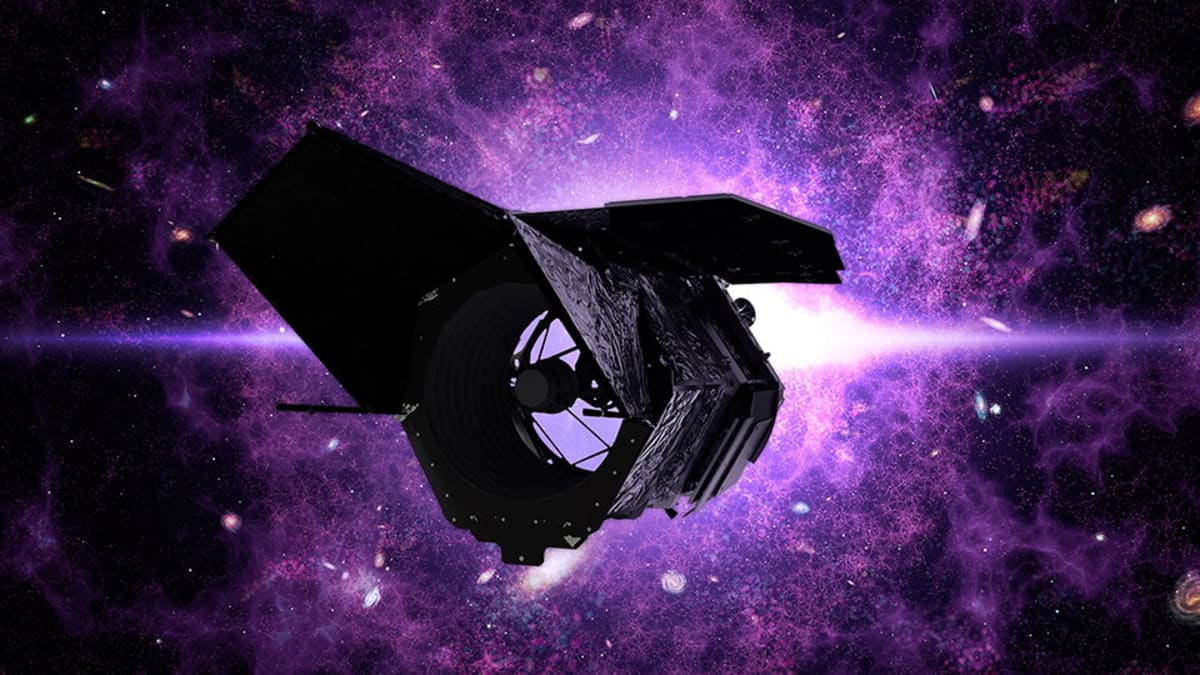
The James Webb Space Telescope spotted these mysterious objects, called Jupiter-mass binary objects, in a stellar nursery 385 light-years away. Each pair consists of two planet-sized objects orbiting each other while drifting freely through the cosmos.
The discovery matters because it adds credibility to earlier findings. When astronomers first spotted similar planet pairs in 2023, skeptics questioned whether they were real or just distant stars mistaken for planets. By finding two more pairs in a completely different part of our galaxy, researchers strengthened the case that these objects represent something genuinely new.
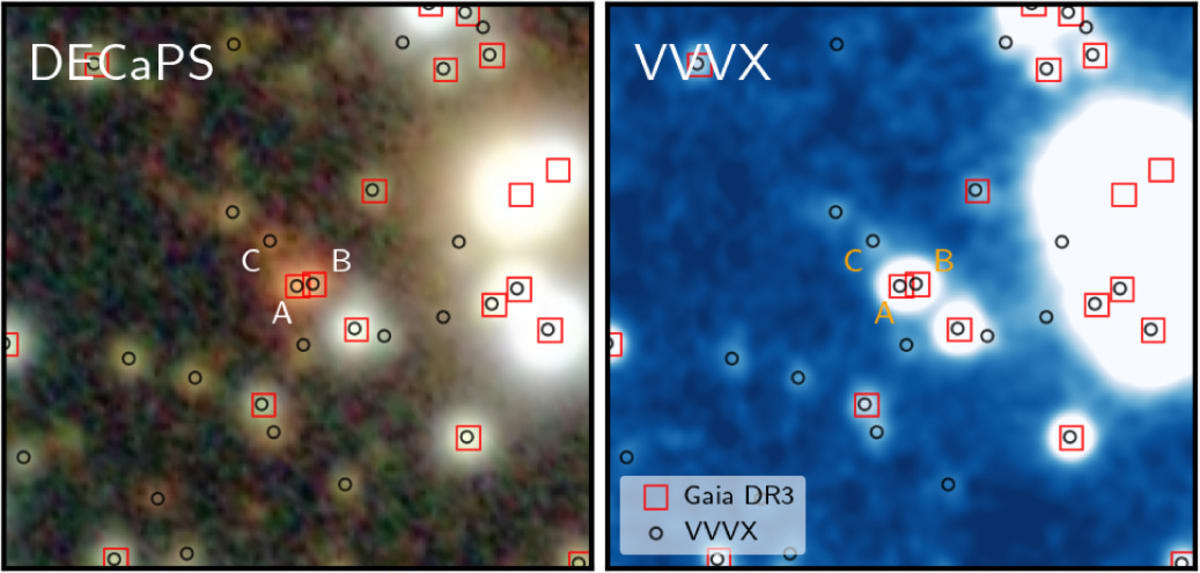
Dante Minniti, an astrophysics professor at Andrés Bello University in Chile, led the team that made the discovery. His group examined over 9,000 candidate objects in the Lower Centaurus-Crux association, a region filled with young blue stars spreading across the southern sky.
The two confirmed pairs, named VVVX-FFP-001 and VVVX-FFP-007, each contain objects roughly eight to twelve times Jupiter's mass. They're separated by vast distances, with one pair spread 180 times farther apart than the distance between our sun and Neptune.
Scientists traditionally believed planets could only form around stars. These rogue planet pairs challenge that understanding. Free-floating single planets are actually quite common. NASA estimates they may outnumber stars in the Milky Way by 20 to 1. But paired planets floating together through space? That's something entirely different.
Why This Inspires
This discovery reminds us how much wonder still awaits in the universe. Just when we think we understand how planets form and behave, the cosmos surprises us with something completely unexpected.
The finding also showcases the power of collaboration and persistence. After earlier discoveries faced skepticism, these researchers didn't give up. They searched a different region entirely, combining data from multiple telescopes to build an enormous database of images spanning the southern sky.
Young exoplanets like these, only about 15 million years old, glow brighter in infrared light than their older counterparts. That glow allowed astronomers to spot them despite their incredible distance from Earth. The team painstakingly inspected each candidate one by one, looking for faint companions that might reveal new secrets about how our universe works.
The research opens exciting possibilities for future study. Could these rogue planet pairs somehow support conditions for life, even without a nearby star? What forces allowed them to form and stay together while wandering through interstellar space? Scientists still have many questions to answer.
For now, we can marvel at this reminder that the universe still holds countless mysteries waiting to be uncovered, each one expanding our understanding of what's possible among the stars.
More Images

Based on reporting by Google: James Webb telescope
This story was written by BrightWire based on verified news reports.
Spread the positivity!
Share this good news with someone who needs it