Inuit Groups Launch Bold Plan to Cut Arctic Poverty
Canada's national Inuit organization just released a groundbreaking strategy to tackle poverty affecting 41 percent of Arctic families. The plan includes replacing a broken federal food program with one that puts money directly in families' hands.
Families across Canada's Arctic are one step closer to relief from sky-high costs and food insecurity thanks to a comprehensive new roadmap released this week.
Inuit Tapiriit Kanatami, the national Inuit organization, unveiled a poverty reduction strategy after four years of research and community input. The plan tackles the harsh reality that 41 percent of families in Inuit Nunangat live below the poverty line, compared to just 11 percent of Canadians overall.
"The strategy is really grounded in an Inuit-defined whole person approach that considers culture, well-being, family, community, livelihoods, leadership, and self-determination," said Lauren Goodman from the organization. The approach recognizes that poverty isn't just about income but about access to everything needed for a good life in Arctic communities.
The strategy identifies three key areas: economic participation, cost of living and income security, and social services and community infrastructure. One of the most urgent focuses is food security, where the current federal subsidy program has fallen short.
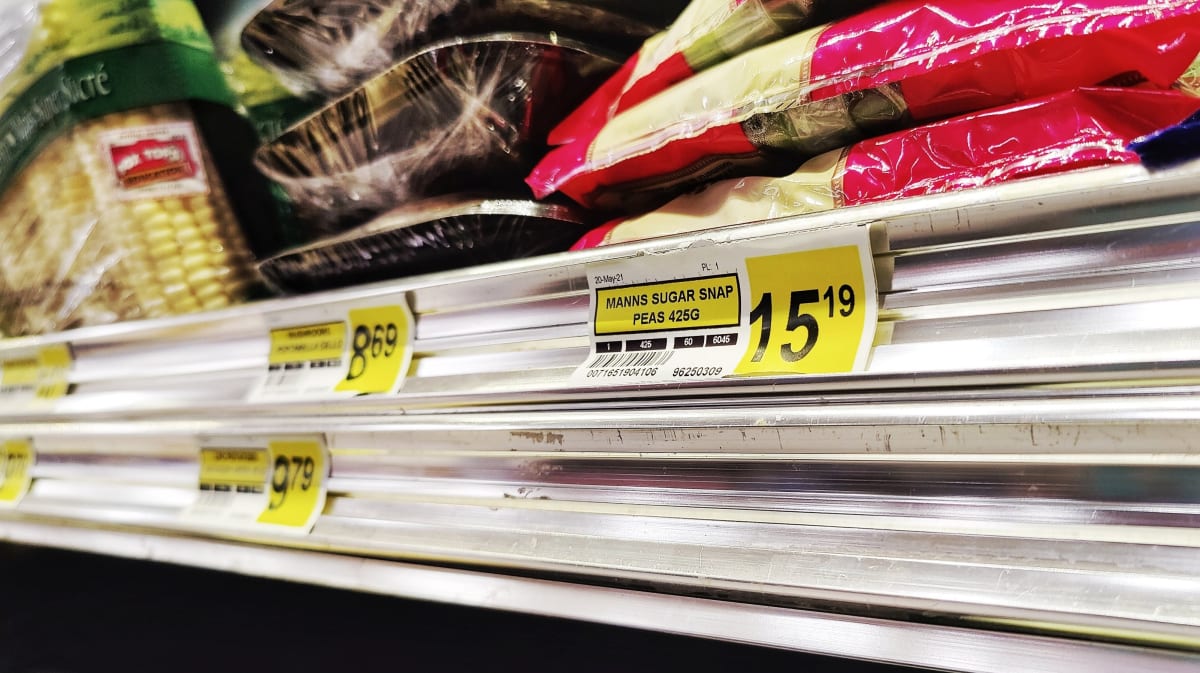
The organization also released a framework to completely replace Nutrition North Canada, the existing food subsidy program. Right now, Ottawa sends money to stores, which are supposed to pass savings to customers. Many communities report this isn't working.
"If you have a bridge that's not helping you get where you need to go, you don't repaint that bridge and hope for a different outcome. You build a better bridge," Goodman explained.
The new framework recommends sending subsidies directly to families instead of retailers. It also calls for federal regulation of food prices and support for cooperative or locally owned businesses. When stores need to raise prices, they'd have to justify increases based on legitimate cost pressures.
The poverty measure itself was redesigned to reflect Arctic realities. While the federal version considers bus fares for getting to appointments, the Inuit version accounts for the actual costs of ATVs and snowmobiles that people rely on in remote communities.
Work on the strategy began in 2020 when the organization developed an Inuit-specific market basket measure, the data set that defines the poverty line. Until 2021, there wasn't even a proper poverty measure for northern territories.
The Ripple Effect
This strategy represents more than policy recommendations. It's a roadmap created by Inuit communities for Inuit communities, designed to guide governments, industry partners, and organizations toward meaningful action. Eighteen communities in the Northwest Territories alone access food subsidies, and improvements could transform daily life for thousands of families.
The organization will re-evaluate progress in five years, though some recommendations will take longer to achieve. The goal is lasting change, not quick fixes that leave fundamental problems unaddressed.
For Arctic families struggling with costs most Canadians can't imagine, this strategy offers something powerful: a plan built on their own definition of what a good life looks like.
More Images



Based on reporting by Google News - Poverty Reduction
This story was written by BrightWire based on verified news reports.
Spread the positivity!
Share this good news with someone who needs it