Ireland Shows Storm-Hit Forests How to Rebuild Stronger
After devastating storms damaged Irish forests, experts are turning disaster into opportunity with free workshops showing landowners how to replant smarter, more resilient trees. The demonstrations prove that nature's setbacks can become chances for stronger futures.
When storms tear through forests, the destruction feels final. But in County Galway, Ireland's agricultural experts are showing landowners that damaged woodlands can come back better than before.
Teagasc, Ireland's agriculture and food development authority, is hosting free hands-on demonstrations for forest owners whose land took a beating from recent storms. The first event happens March 26 at Mountbellew Agricultural College, with a second planned for April 30 in Castlerea.
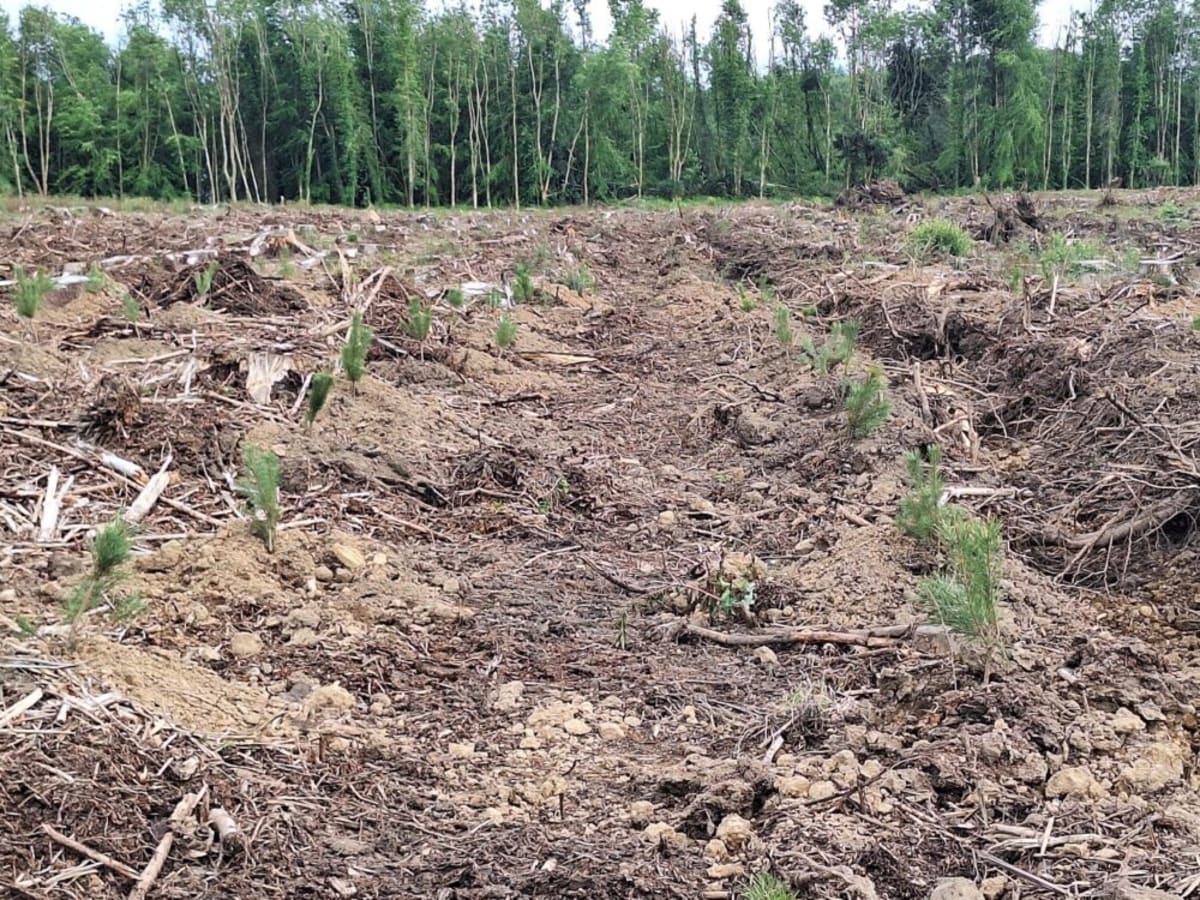
These aren't just lectures. Attendees walk through actual forests mid-replanting, watching every step of the recovery process unfold in real time. They learn which tree species grow strongest, how to prepare storm-cleared ground, and how to access government support designed specifically for rebuilding after wind damage.
The science backs up the optimism. Research shows that replanted forests using improved seedling stock often outperform the original trees they replace. Each new generation grows more productively than the last.
Forest owners also get something unexpected: a chance to rethink their land's future. Maybe their goals have shifted since they planted their first crop of trees decades ago. Maybe their children or grandchildren have different visions. The workshops encourage families to have these conversations before choosing what comes next.
The Bright Side
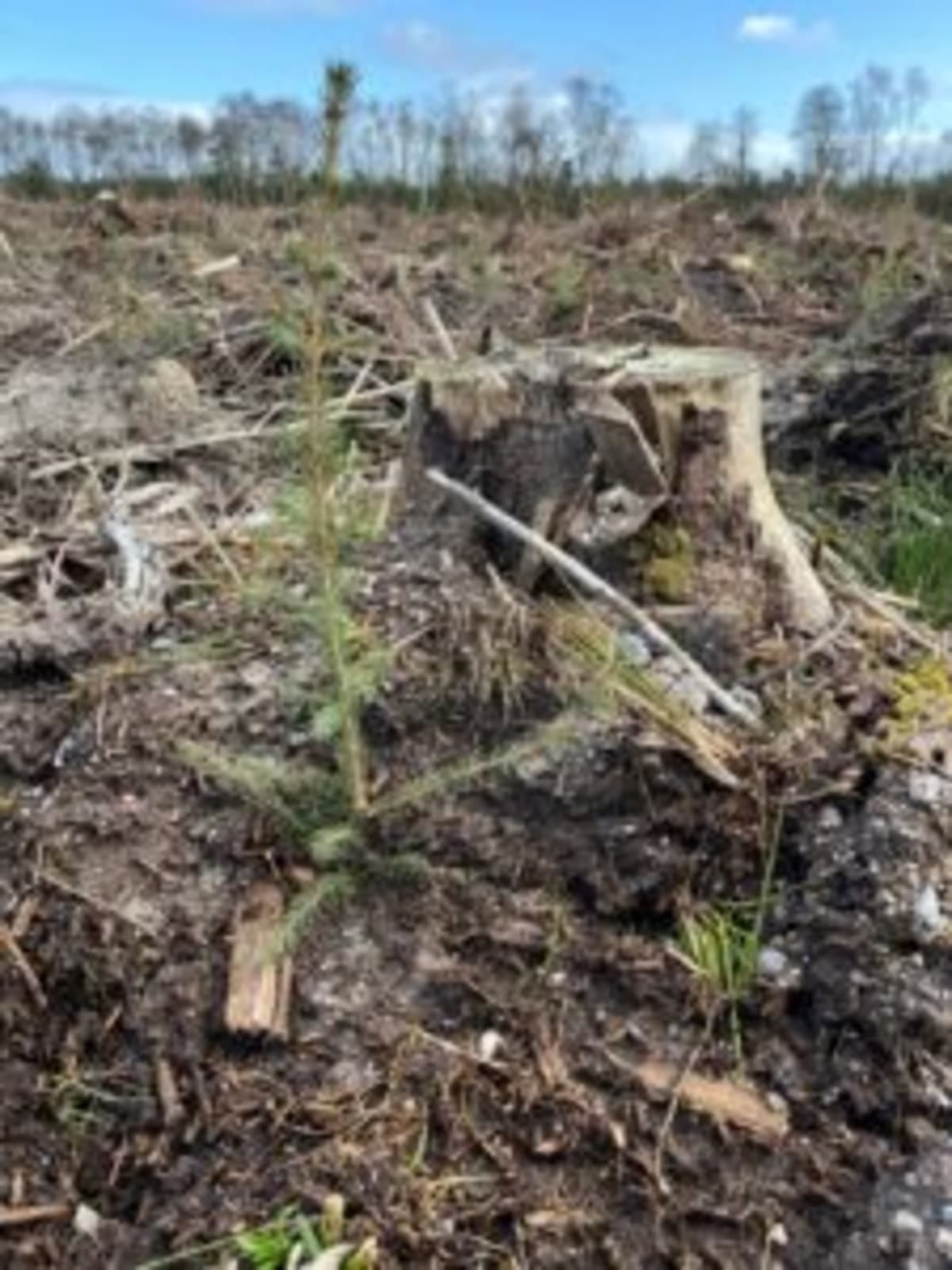
What makes this approach special is how it reframes catastrophe. Yes, watching your forest fall to a storm is heartbreaking and financially painful. But clearing damaged land creates a clean slate that doesn't come around often in forestry, where trees stand for generations.
The new Reconstitution Scheme for Windblow 2026 provides financial help specifically for storm recovery, making it easier for owners to invest in stronger, more diverse forests. Experts recommend mixing species to build resilience against future weather events, rather than replanting identical monocultures that might fail the same way again.
The demonstrations also build community among people facing the same challenge. Forest owners share experiences, swap advice, and leave knowing they're not alone in rebuilding.
Groups arrive anytime between 10:00am and noon, hopping on buses to nearby forest sites as they show up. The flexible timing recognizes that these landowners are busy people, often managing farms or other businesses alongside their woodlands.
This practical, hopeful approach transforms "what do I do now?" panic into "what could this become?" planning. Every fallen tree becomes space for something better adapted, better planned, and better supported.
More Images
Based on reporting by Google News - Reforestation
This story was written by BrightWire based on verified news reports.
Spread the positivity!
Share this good news with someone who needs it