Ireland Turns Storm Damage Into Forest Renewal Opportunity
After devastating storms tore through Irish forests, experts are showing landowners how to replant stronger, more resilient woodlands. The silver lining: second-generation forests grow significantly faster than the first.
When fierce storms recently ripped through County Galway's forests, it looked like pure devastation. But Irish forestry experts see something else: a chance to build back better with trees that can weather the next century.
Teagasc, Ireland's agriculture development authority, is hosting hands-on demonstrations this spring to help forest owners replant after storm damage. The first event happens March 26 at Mountbellew College in Galway, with a second following April 30 in Roscommon.
Forest owners who lost trees to recent storms can attend free demonstrations showing every step of replanting. From getting felling licenses to choosing species and accessing financial support, experts will walk attendees through real forest sites undergoing restoration.
The timing matters because Ireland just launched the Reconstitution Scheme for Windblow 2026, offering financial support to help landowners replant storm-damaged areas. Attendees can arrive anytime between 10 a.m. and noon, with buses shuttling groups to nearby forest sites.
The Bright Side
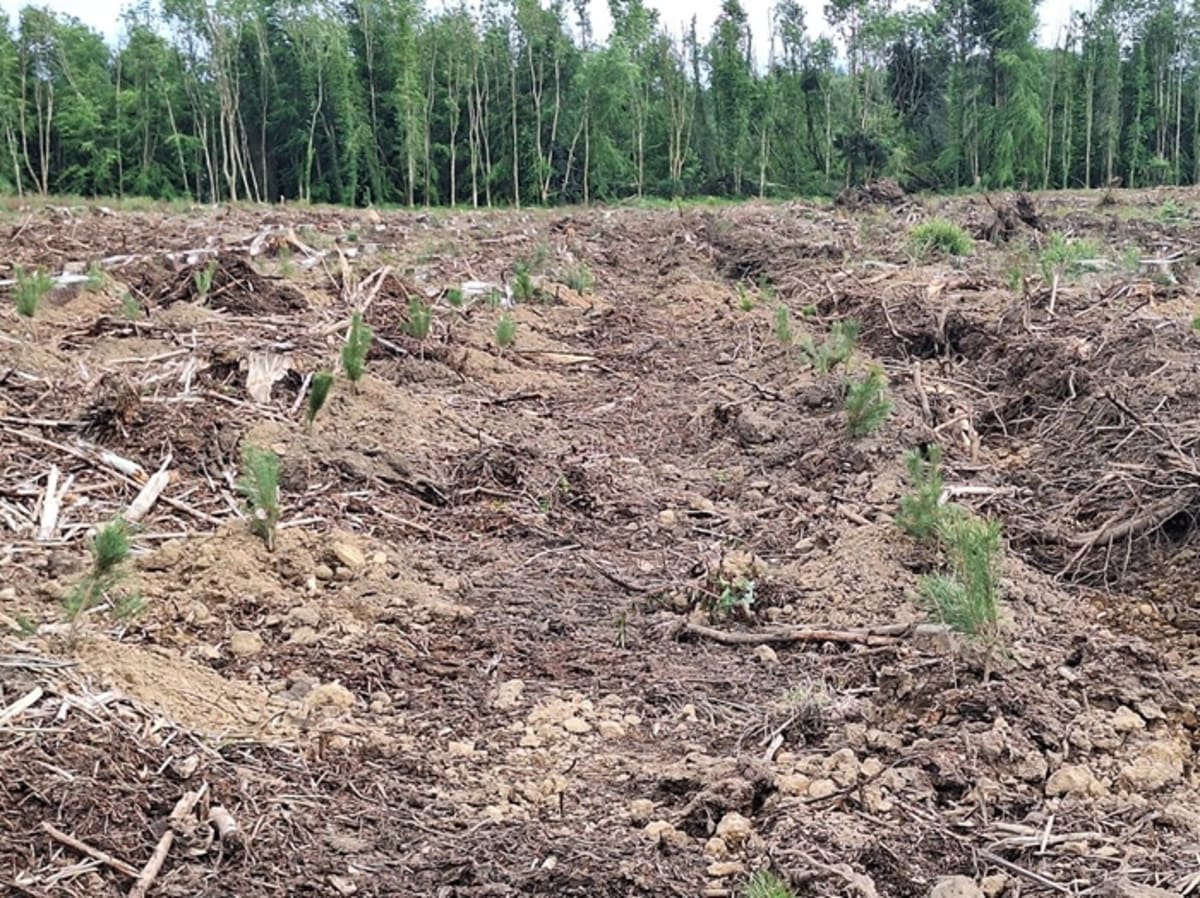
Here's the unexpected good news: research shows replanted forests often outperform the original trees. Second-generation forests using improved planting stock grow significantly faster and healthier than first rotations.
Storm damage also opens doors forest owners might not have considered before. Experts encourage families to have intergenerational discussions about their land's future, exploring new species mixes that offer better resilience against climate challenges.
The reforestation process focuses on creating ideal growing conditions and minimizing setbacks. With careful species selection and proper ground preparation, landowners can establish woodlands better suited to their goals and tomorrow's climate.
Teagasc forestry advisors emphasize this isn't just about replacing what was lost. It's about thoughtfully designing forests that serve multiple purposes while standing stronger against future storms.
For Irish families who've watched their trees fall, spring 2026 brings both practical help and a hopeful message: what grows back can be even better than before.
Based on reporting by Google News - Reforestation
This story was written by BrightWire based on verified news reports.
Spread the positivity!
Share this good news with someone who needs it