Irish Fishing Boats Cut Emissions 80% with Veggie Oil
A groundbreaking trial in Ireland proves fishing vessels can slash their carbon footprint by switching from diesel to vegetable oil fuel. This clean fuel breakthrough could transform how the entire seafood industry operates.
Fishing boats in Ireland just proved they can dramatically cut their emissions without changing a single engine part.
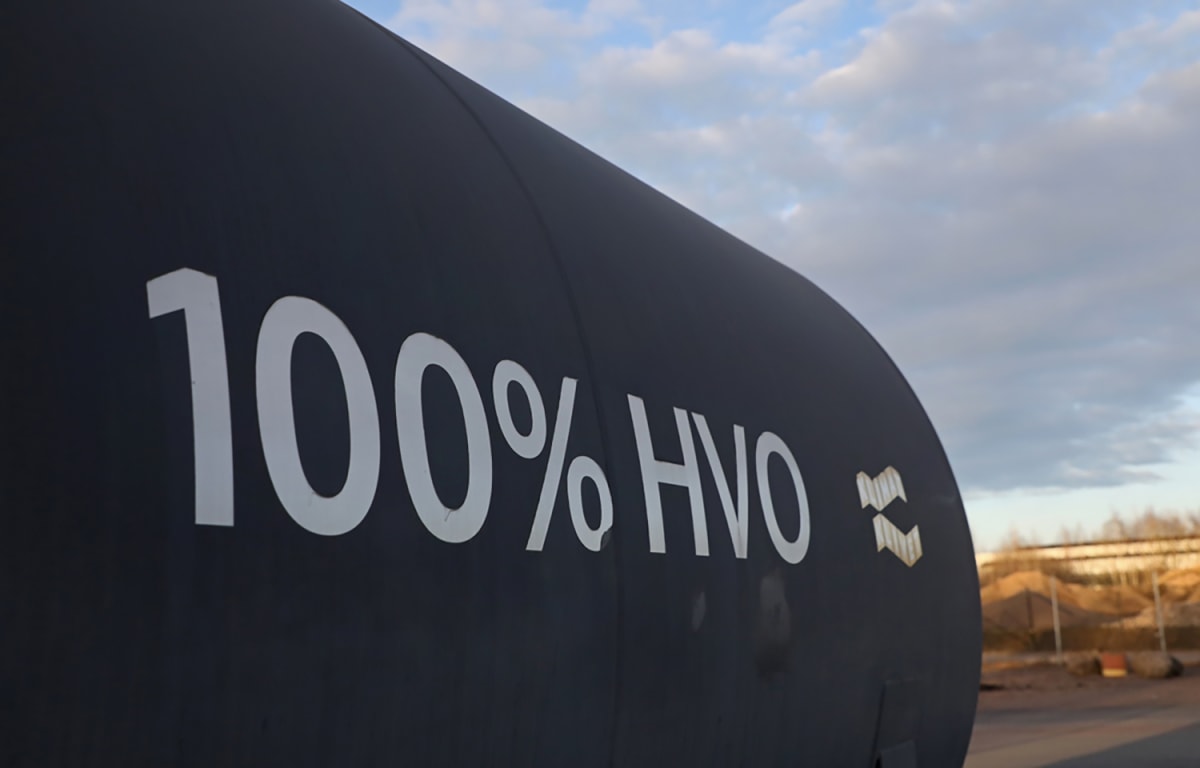
A research trial by Irish fisheries agency Bord Iascaigh Mhara (BIM) tested hydrotreated vegetable oil (HVO) as fuel in fishing vessels at a Mowi salmon farm in County Cork. The results were stunning: HVO cut well-to-tank emissions by 80 percent compared to traditional diesel.
Well-to-tank emissions measure all the greenhouse gases created before fuel even reaches the boat. That includes everything from extraction to processing to transportation. Over the fuel's entire life cycle, HVO reduced emissions by 12 percent.
The trial marked the first time anyone used HVO in a commercial marine setting that BIM knows about. Even better, the vegetable oil fuel works as a direct replacement for diesel without requiring boat modifications.
BIM also tested fuel blends to balance environmental benefits with practical costs. A mix of 70 percent diesel and 30 percent HVO still delivered meaningful results: 6 percent lower emissions across the full life cycle and 21 percent reduction in well-to-tank emissions.
"This is the reason that the BIM study focused on the 70:30 blend, balancing emissions reduction with operational costs," said Ronan Cooney, BIM's Aquaculture Technical Officer.
The timing couldn't be better. Ireland's government requires all fuel sold in the country to gradually include more renewable inputs like HVO through the Renewable Transport Fuel Obligation. The supply of HVO increases every year under this program.
The Ripple Effect
This Irish breakthrough shows fishing fleets worldwide a practical path forward. The technology exists right now to make seafood production cleaner without waiting for expensive boat replacements or new infrastructure.
Similar trials are already launching across Ireland and Europe. A project testing shoreside generators for large fishing vessels will start soon at Killybegs, Ireland's leading fishing port. That initiative receives funding from SmartDEC, a European Union program dedicated to decarbonizing the Atlantic maritime sector.
The vegetable oil fuel serves as a bridge solution while the industry develops longer-term answers. Cooney expects HVO will work as a near-term option within a broader strategy that complements electrification and alternative propulsion technologies.
Cost remains the biggest hurdle. HVO currently costs more than diesel, even with diesel prices surging recently. Questions about tax rebates also need answers before widespread adoption happens.
But the path forward is clear, and fishing fleets can start making the switch today with blended fuels that balance environmental progress with budget realities.
More Images

Based on reporting by Google News - Emissions Reduction
This story was written by BrightWire based on verified news reports.
Spread the positivity!
Share this good news with someone who needs it

