Iron Catalyst Could Make Clean Cars $40K Cheaper
Engineers just solved a decades-old problem that's kept hydrogen fuel cell cars out of reach for most families. By stabilizing affordable iron to replace expensive platinum, they're paving the way for clean vehicles that don't break the bank.
A breakthrough at Washington University in St. Louis could finally make zero-emission vehicles affordable for everyday drivers.
Engineers have figured out how to use common iron instead of expensive platinum in hydrogen fuel cell cars. The change could drop the price of a clean-fuel vehicle from $70,000 to around $30,000, matching what people pay for gas-powered cars today.
"The hydrogen fuel cell has been successfully commercialized in Japan and California," said Gang Wu, a professor of energy and environmental engineering. "But these vehicles struggle to compete with battery vehicles and combustion engines, with cost being the main issue."
Right now, platinum catalysts make up 45% of the total cost of fuel cell systems. Unlike other car parts that get cheaper when you make more of them, platinum just gets more expensive as demand rises.
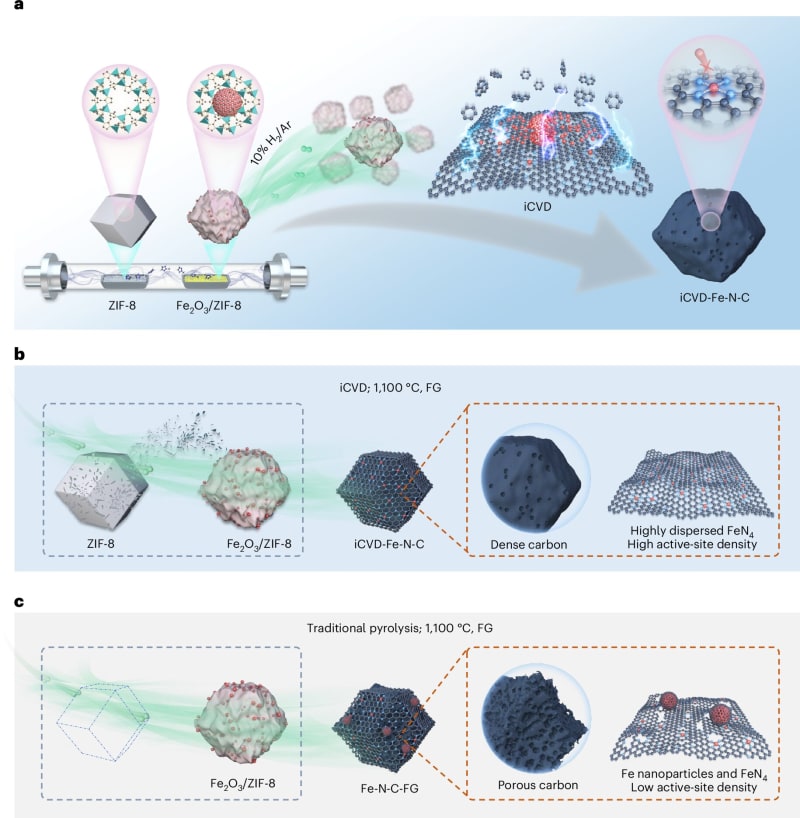
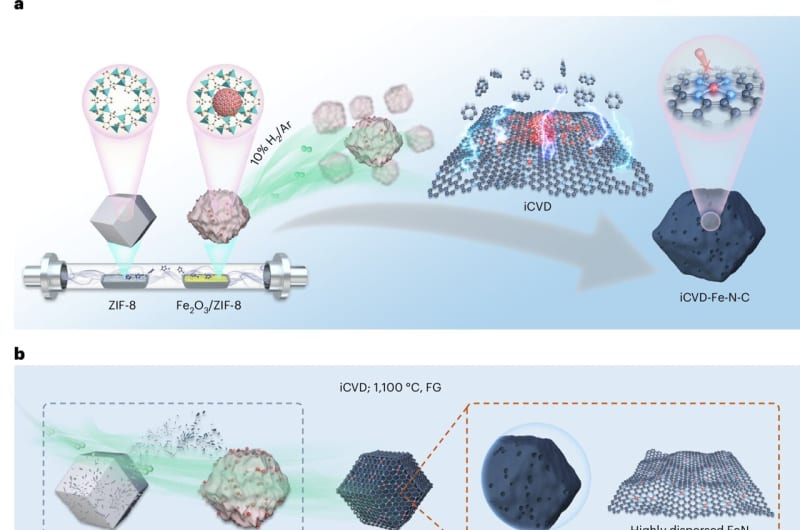
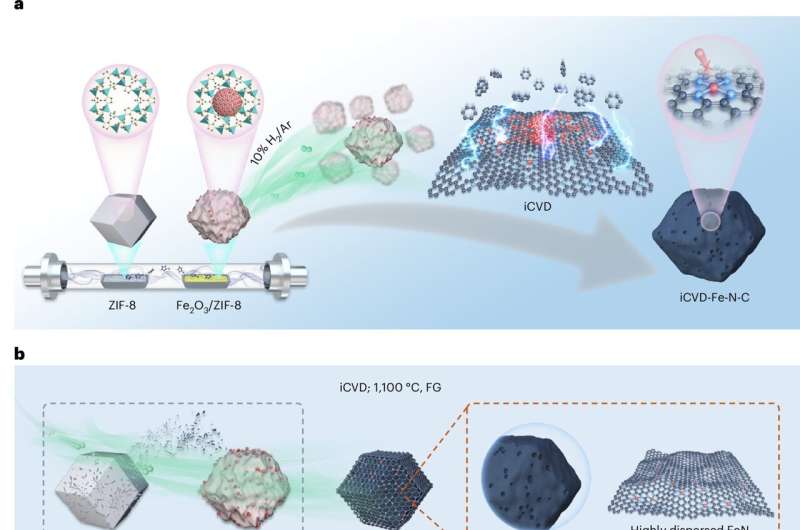
Wu's team solved the puzzle by creating a special chemical vapor process that stabilizes iron during activation. Their method, published in Nature Catalysis, dramatically improves how long iron catalysts last while keeping them powerful enough for real-world driving.
The technology works best for heavy-duty vehicles like buses, delivery trucks, and construction equipment. These vehicles already refuel at central stations, so the infrastructure challenge becomes much easier to solve.
Hydrogen fuel cells generate electricity by combining hydrogen and oxygen, producing only water as waste. They're incredibly efficient too, extracting over 60% of their fuel's energy compared to less than 20% for traditional gas engines.
The Ripple Effect
This innovation arrives at a perfect time. Data centers powering artificial intelligence need clean energy sources that never run out. Low-altitude aviation companies are searching for zero-emission alternatives. Fleet operators want cleaner options for their trucks and buses.
Making fuel cells affordable opens doors for all these applications. As heavy-duty vehicles adopt the technology first, manufacturing costs will drop even further, making hydrogen cars accessible to more families.
Wu isn't stopping here. His next goal is making iron catalysts work even better than the precious metals they're replacing.
After decades of stability problems holding back this clean technology, the breakthrough finally puts affordable zero-emission vehicles within reach for millions of drivers.
More Images

Based on reporting by Phys.org - Technology
This story was written by BrightWire based on verified news reports.
Spread the positivity!
Share this good news with someone who needs it