Israeli Scientists Find Iron and Bromine in Cat Eye Disease
Researchers in Israel discovered unexpected elements in a mysterious eye condition affecting Persian, Himalayan, and other cat breeds. The breakthrough could eventually lead to better treatments for feline corneal sequestra, a painful disease that can cause blindness.
Israeli veterinary scientists just made a discovery that could help millions of cats suffering from a painful and mysterious eye disease.
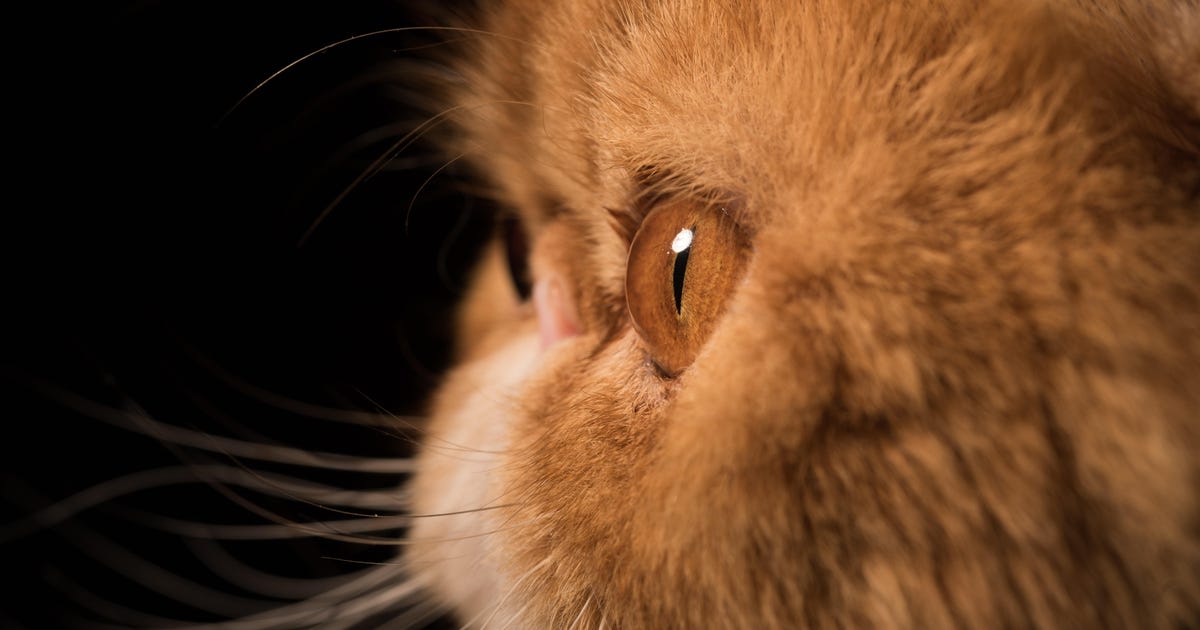
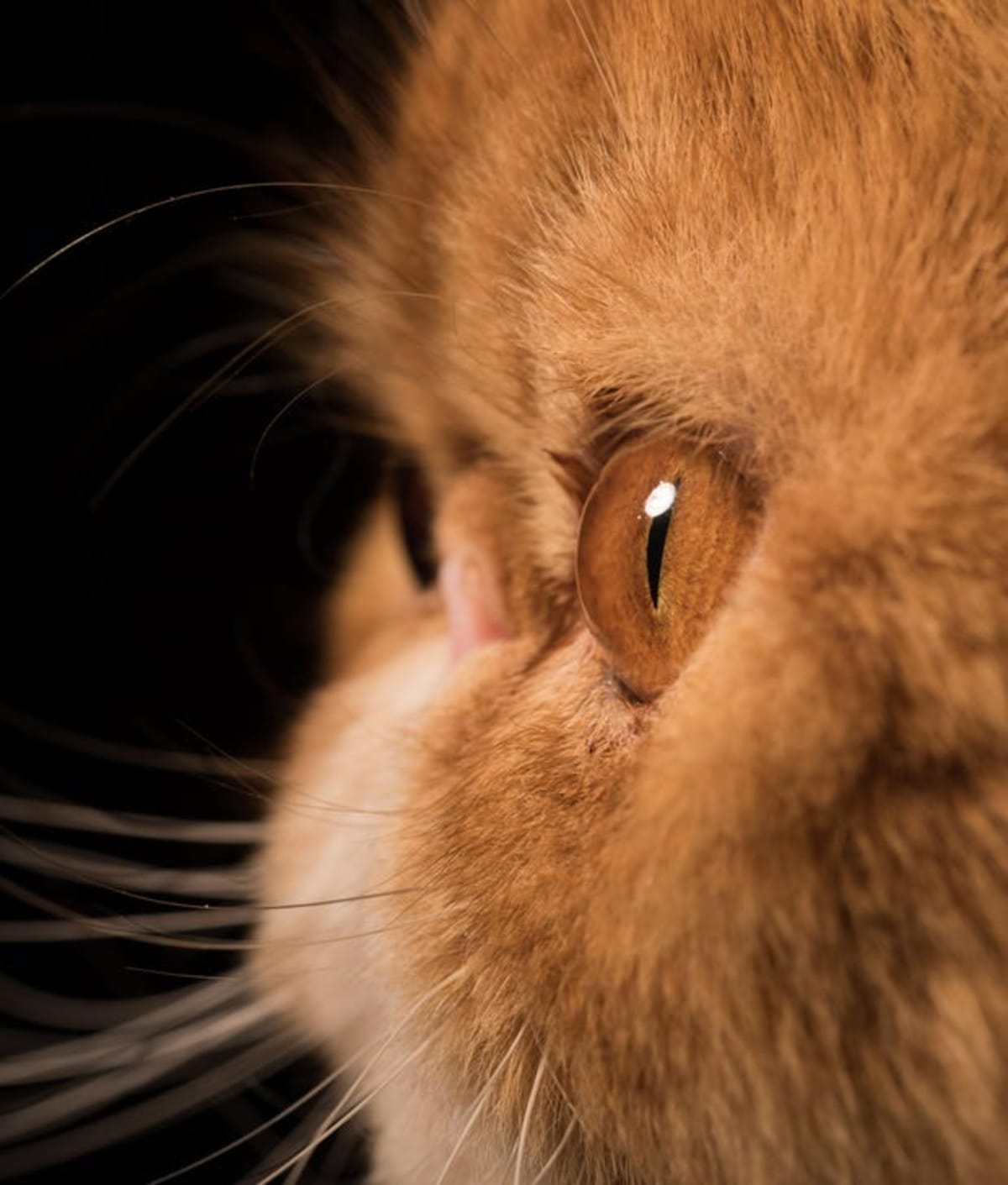
Researchers at Israeli veterinary institutions found iron and bromine in diseased eye tissue from cats with feline corneal sequestra, commonly called "black eye disease." These elements weren't present in healthy cat corneas, marking the first time anyone has identified this connection.
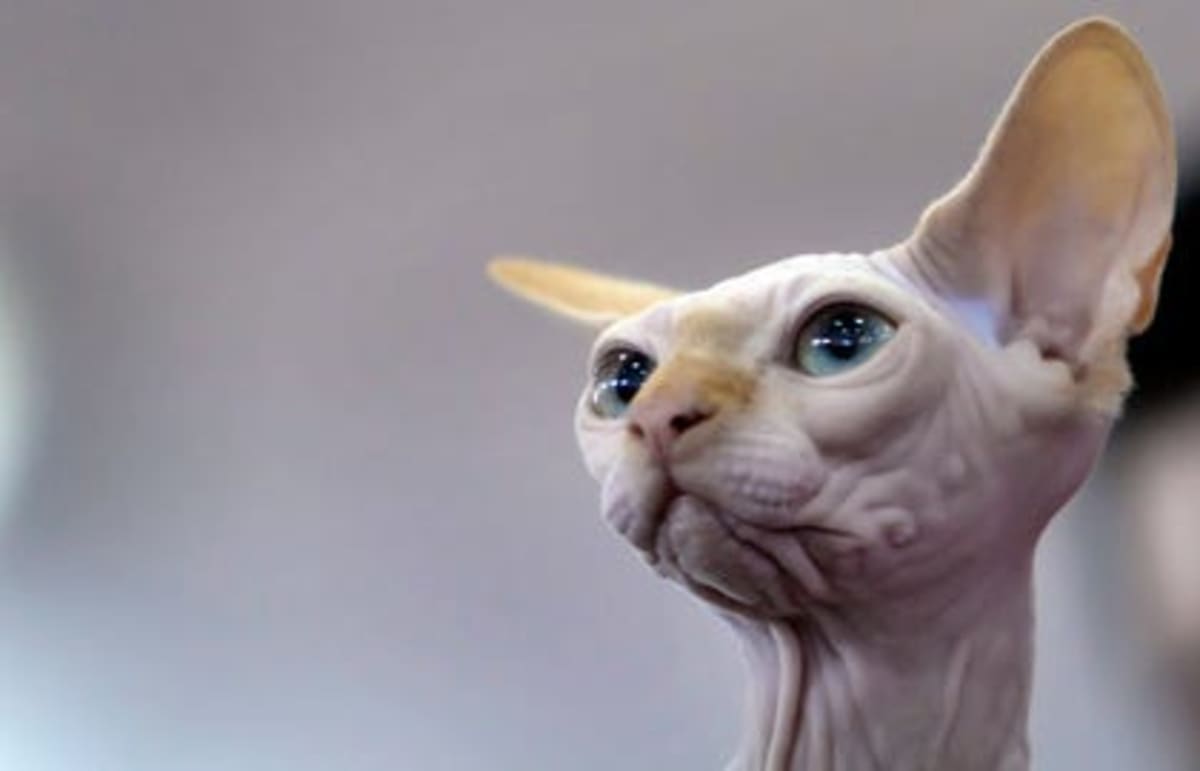
The disease appears as dark spots in cats' eyes that can spread and deepen over time. Persian, Himalayan, and other flat-faced breeds are especially vulnerable, though the condition also affects Sphynx cats despite their different facial structure.
Dr. Oren Pe'er and his team analyzed diseased corneal tissue removed during treatment. Using advanced techniques, they detected trace amounts of iron and bromine specifically in the damaged areas.
The discovery raises important questions about how the disease develops. The elements might cause the lesions, contribute to their growth, or simply accumulate after tissue damage begins.
Cat owners should watch for any eye discoloration ranging from reddish-brown to black. The condition usually causes pain, and without treatment, the lesions can deepen and potentially cause blindness.
Why This Inspires
This research opens new doors for understanding a condition that has puzzled veterinarians for years. While scientists don't yet know exactly what role iron and bromine play, identifying their presence gives researchers specific targets to investigate.
The team suggests these elements might be involved in oxidative damage and tissue breakdown in affected eyes. That knowledge could eventually lead to medications that prevent or slow the disease's progress.
Currently, surgery remains the main treatment option. Vets remove the dead tissue to stop the spread and relieve pain. In rare cases, cats naturally shed the damaged tissue on their own, but this process can take months while the animal suffers.
Pe'er emphasizes that pet owners who notice symptoms should consult a veterinarian within a week. Early intervention gives cats the best chance at preserving their vision and avoiding pain.
The research team published their findings in Veterinary Ophthalmology last month. Scientists worldwide can now build on this foundation, testing whether controlling iron and bromine levels might prevent or treat the disease.
For the countless cats affected by this condition each year, this small but significant discovery represents real hope for better care.
More Images


Based on reporting by Google News - Researchers Find
This story was written by BrightWire based on verified news reports.
Spread the positivity!
Share this good news with someone who needs it