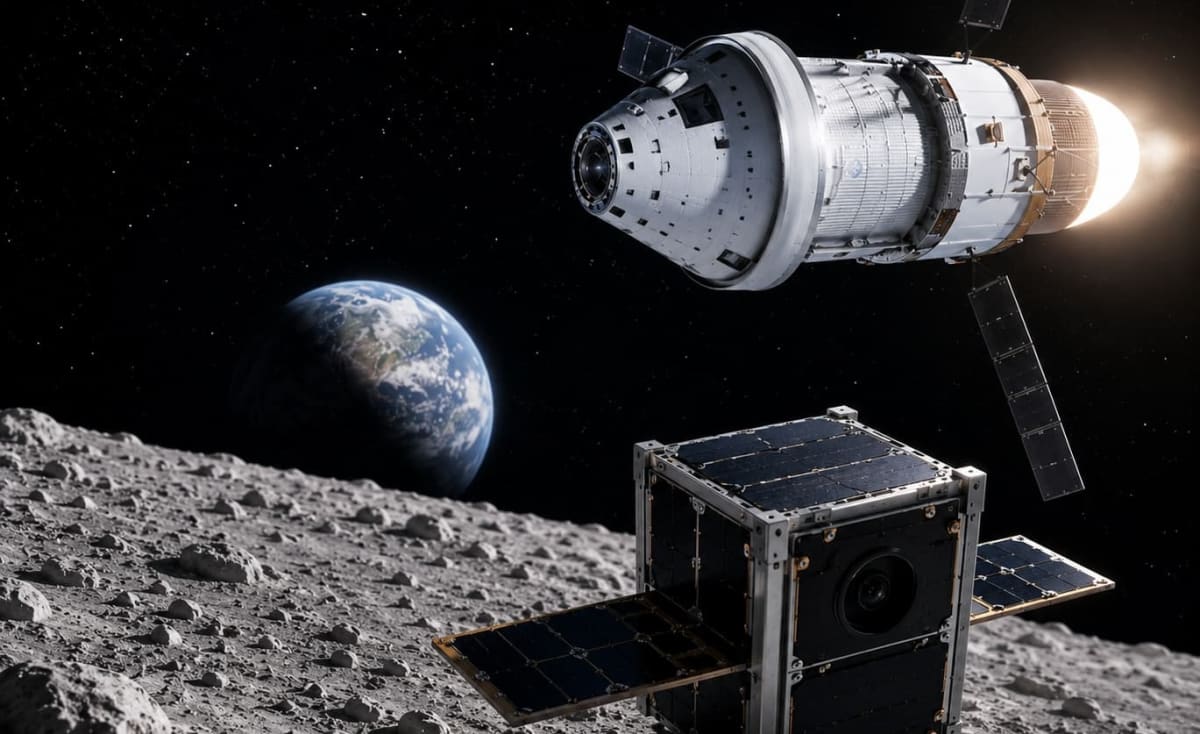
ISS: Three Decades of Peaceful Global Cooperation in Space
For 24 years, the International Space Station has proven that humanity can "figure it out" instead of "fight it out" among the stars. When it returns to Earth in 2030, it will mark the end of an era where nations put cooperation above conflict.
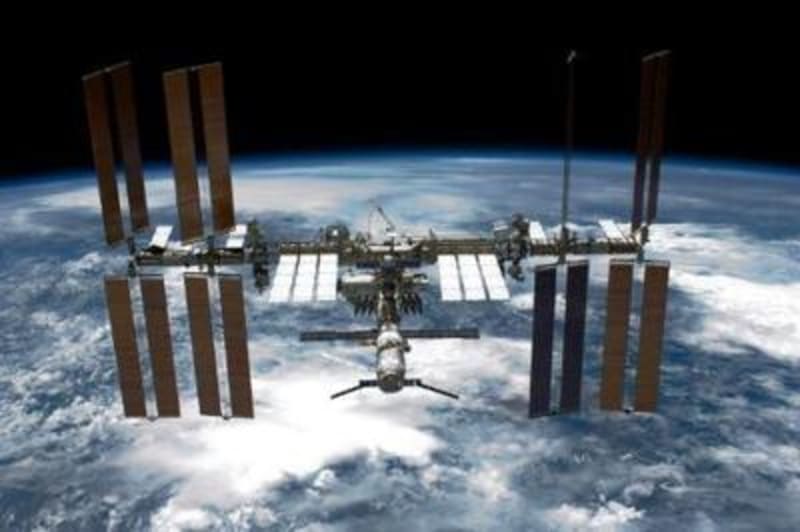
Since November 2000, humans have lived continuously aboard a football field-sized laboratory hurtling through space at five miles per second, proving that peaceful cooperation across borders is possible.
The International Space Station has hosted astronauts from rival nations working side by side for nearly a quarter century. Born from the ashes of the Cold War, the ISS brought together former space race competitors Russia and the United States in a shared mission of discovery.
"The ISS is a cathedral to human cooperation and collaboration across borders, languages and cultures," says John Horack, former NASA manager and current Neil Armstrong Chair in aerospace policy at Ohio State University. For more than 25 years, people have lived in space around the clock, every single day.
Even as tensions over Ukraine have severed many ties between Russia and the West, astronauts from both nations continue working together aboard the station. That cooperation stands as a powerful reminder that humanity can choose collaboration over conflict.
Why This Inspires
The ISS represents something rare in our world: a place where politics takes a backseat to shared human achievement. Scientists from different nations conduct experiments that benefit everyone on Earth, from medical research to climate studies.
The station has become part of daily life for families like Horack's, who would step into their backyard to watch it streak across the night sky. That visible reminder of human achievement has inspired countless children to dream bigger about what's possible when we work together.
While the aging station will make its controlled descent into the Pacific Ocean in 2030, its legacy lives on. SpaceX is building the vehicle that will guide it safely back to Earth, ensuring it splashes down far from people at an isolated spot called Point Nemo.
The future holds new possibilities, with private companies planning commercial space stations and both the US and China designing lunar bases. France's space agency coordinator Lionel Suchet notes that scientific research and exploration remain "an objective of all humanity."
As Jean-Jacques Dordain, former head of the European Space Agency, wisely said: "If you want to go fast, go alone. If you want to go far, go together."
The ISS proved we can go far together, and that lesson will guide humanity's next giant leaps into space.
More Images


Based on reporting by Google: cooperation international
This story was written by BrightWire based on verified news reports.
Spread the positivity!
Share this good news with someone who needs it