Jacksonville Volunteers Plant 84 Oyster Reefs to Clean River
Over 30 volunteers hauled 30-pound oyster habitats into Jacksonville's Trout River to filter polluted water and protect shorelines from flooding. Together they could clean 300 extra gallons daily while creating the largest artificial oyster reef in the St. Johns River watershed.
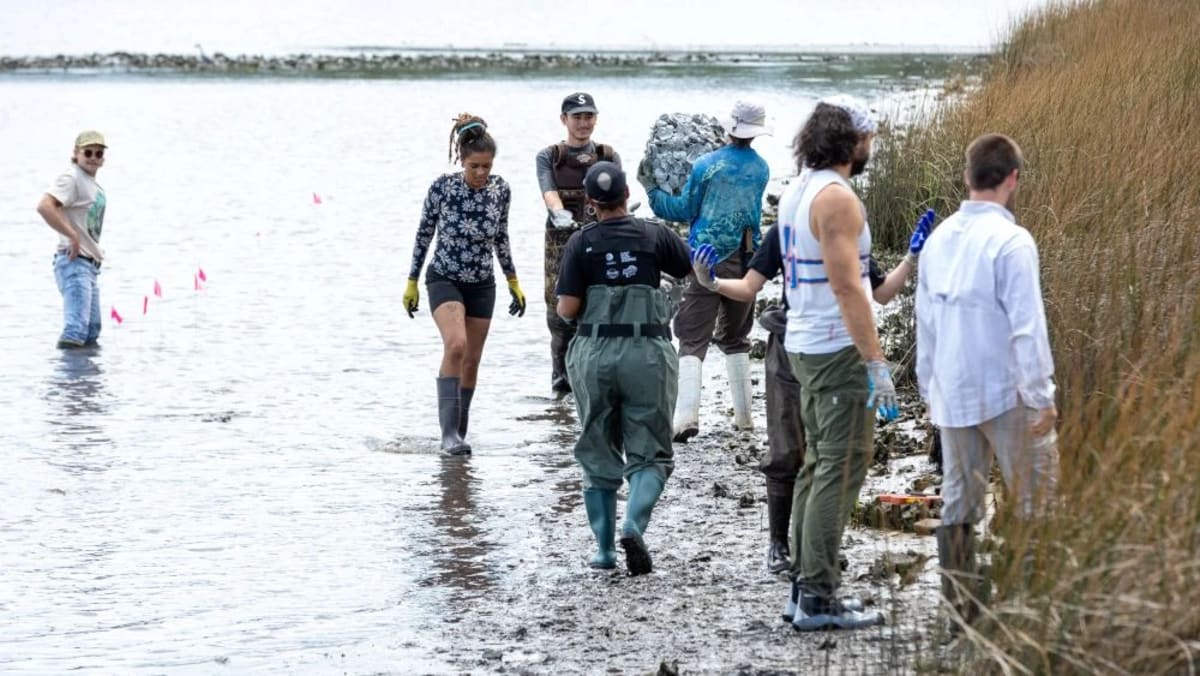
Wading through mud and racing thunderclouds, 30 volunteers spent a Wednesday afternoon giving Jacksonville's polluted Trout River a powerful natural cleanup crew.
They carried 84 circular modules made from recycled oyster shells and cement into the shallow water at Riverview Park. Each 30-pound habitat is designed to attract baby oysters, which will grow and filter up to 50 gallons of water per day.
The science behind it is beautifully simple. Oyster larvae love attaching to old oyster shells, and once they grow, they become natural water purifiers. These new additions could filter an extra 300 gallons daily in this section of the river alone.
The Trout River desperately needs help. Wastewater, septic runoff, and stormwater have made it one of Florida's most polluted waterways. Every tributary flowing into the St. Johns River fails water quality standards, and oyster harvesting has been banned year-round because of fecal bacteria levels.
But this project, supported by a grant to Local Initiative Support Corp. Jacksonville, is creating real change. It builds on 40 modules planted last year and will eventually expand to 240, making it the largest artificial oyster reef in the entire St. Johns River watershed.
The Ripple Effect
The benefits go far beyond cleaner water. The oyster reefs create living shorelines that protect the predominantly Black Northside community from flooding and erosion during increasingly severe storms.
"We are helping to filter one of our most valuable resources," said Marshiray Wellington, chairperson of the Riverview Collective Community Organization. For her neighbors, this means both healthier waterways and safer homes.
Hunter Mathews from Jax Oyster Conservation explained the bigger picture. Their mission is restoring lost ecosystems while stabilizing shorelines and protecting saltmarsh grass that supports countless other species.
The St. Johns Riverkeeper and Jax Oyster Conservation don't expect this one site to clean the entire river. Instead, they're proving the model works so it can be replicated throughout Jacksonville's waterways.
By next year, they plan to add even more modules. What started as a novel experiment at the University of North Florida in 2023 is now spreading across the region, with projects at the Timucuan Preserve and Jacksonville Zoo shorelines already showing success.
Wellington emerged from the river covered in mud but smiling: "Whenever you come together with like-minded people doing this type of work, it's inspiring, it's healing, and it's a good time."
More Images

Based on reporting by Google: volunteers help
This story was written by BrightWire based on verified news reports.
Spread the positivity!
Share this good news with someone who needs it