James Webb Telescope Finds Black Holes in Unlikely Places
Canadian astronomers using the James Webb Space Telescope discovered two "monster" black holes that challenge what we know about galaxy formation. One sits off-center in its galaxy, while the other hides in a galaxy so tiny it shouldn't exist there at all.
Scientists just found cosmic monsters hiding where they shouldn't be, and the discovery is rewriting the rules of how galaxies grow and change.
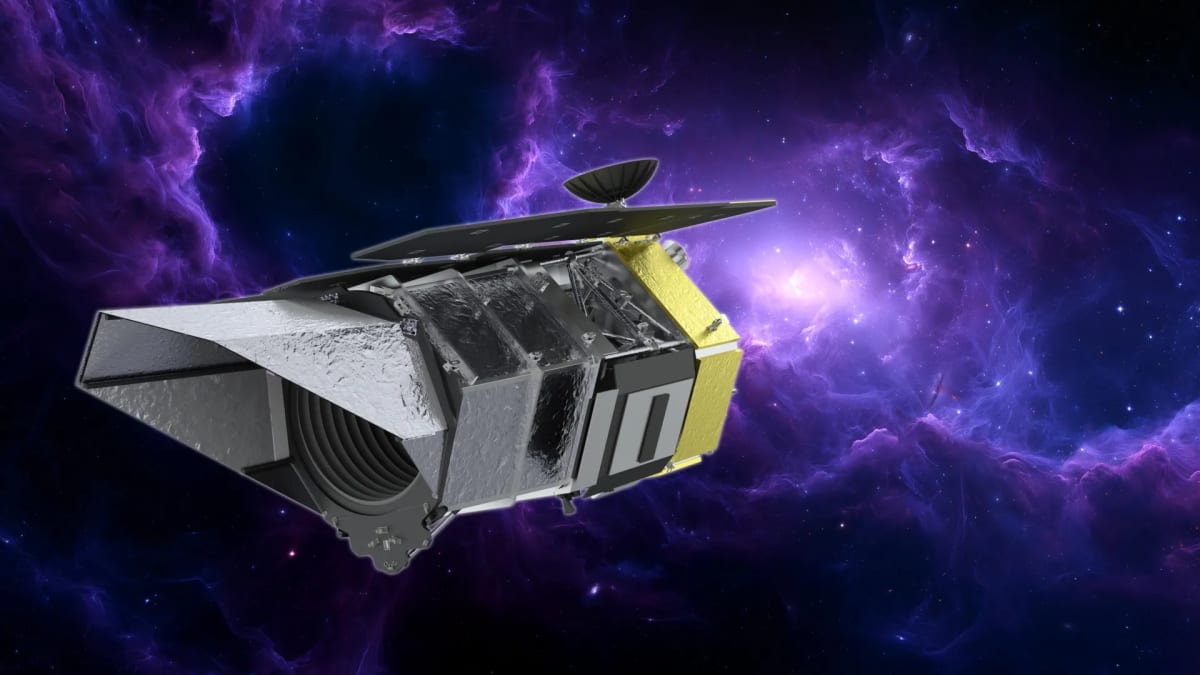
A team including University of Calgary researchers used the James Webb Space Telescope to spot two unusual supermassive black holes in the Virgo Cluster, about 55 million light years from Earth. What makes them monsters isn't just their size but where they live and how they behave.
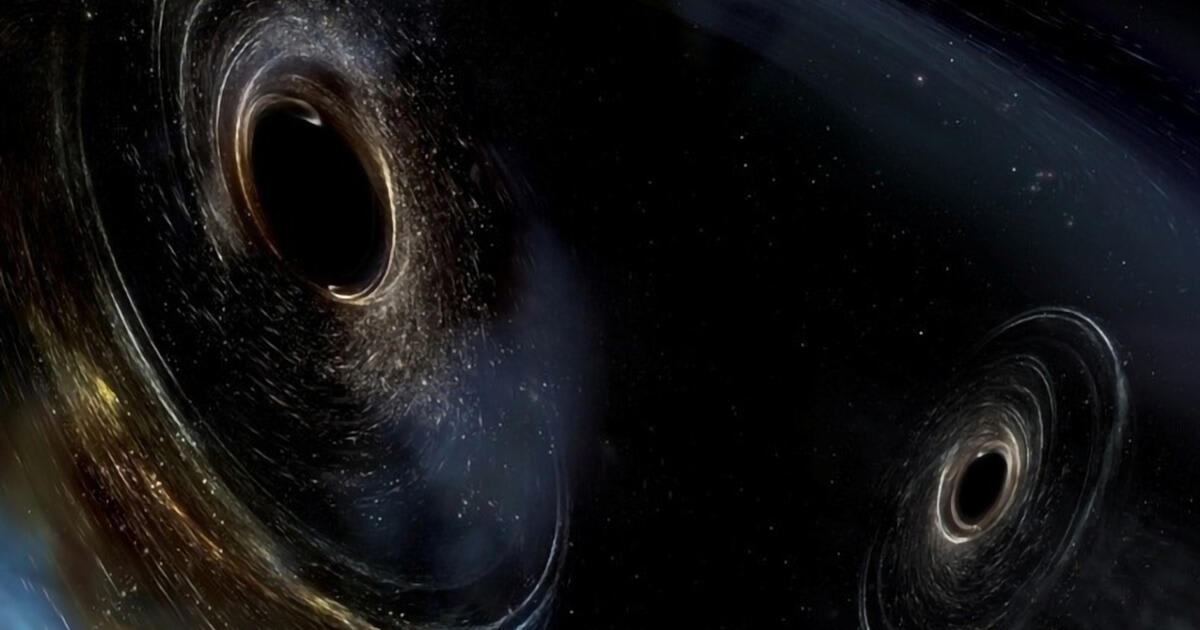
The first black hole weighs 360 million times more than our sun and sits inside a compact galaxy called NGC 4486B. Here's the twist: it's slightly off-center, when black holes almost always anchor themselves in the middle of their galaxies.
"Catching this one so soon after the act is also a unique opportunity to see how the mergers sculpt the innermost regions of their host galaxies," says Dr. Matthew Taylor, assistant professor at the University of Calgary and lead author of one of the studies. The team believes this black hole recently merged with another one, possibly within the last 30 million years.
The second discovery might be even stranger. The researchers found a black hole weighing two million times the mass of our sun inside UCD736, an ultra-compact dwarf galaxy. This galaxy is so small it blurs the line between a massive star cluster and a stripped-down galaxy.
That black hole makes up eight percent of the entire galaxy's mass. In normal galaxies like the Milky Way, the central black hole accounts for less than one percent.
The finding suggests UCD736 was once a much larger galaxy that got stripped down to its dense core by the harsh environment of the Virgo Cluster. What remains is essentially a cosmic time capsule, preserving evidence of violent processes that reshape galaxies over billions of years.
Why This Inspires
These discoveries show how much we still have to learn about our universe. Every time we point our most advanced telescopes at the sky, we find surprises that challenge our assumptions and expand our understanding.
The research came from a Canadian-led observing program during the James Webb Space Telescope's first year of operation. MSc student Solveig Thompson notes that the telescope's capabilities let scientists search for supermassive black holes in smaller and fainter galaxies than ever before possible.
The team plans to continue hunting for more monsters in unexpected places throughout the Virgo Cluster and beyond, testing current models of how galaxies evolve and what role black holes play in shaping the cosmos.
Every new discovery brings us closer to understanding the forces that built the universe we call home.
Based on reporting by Google: James Webb telescope
This story was written by BrightWire based on verified news reports.
Spread the positivity!
Share this good news with someone who needs it