James Webb Telescope Maps Universe's Hidden Cosmic Web
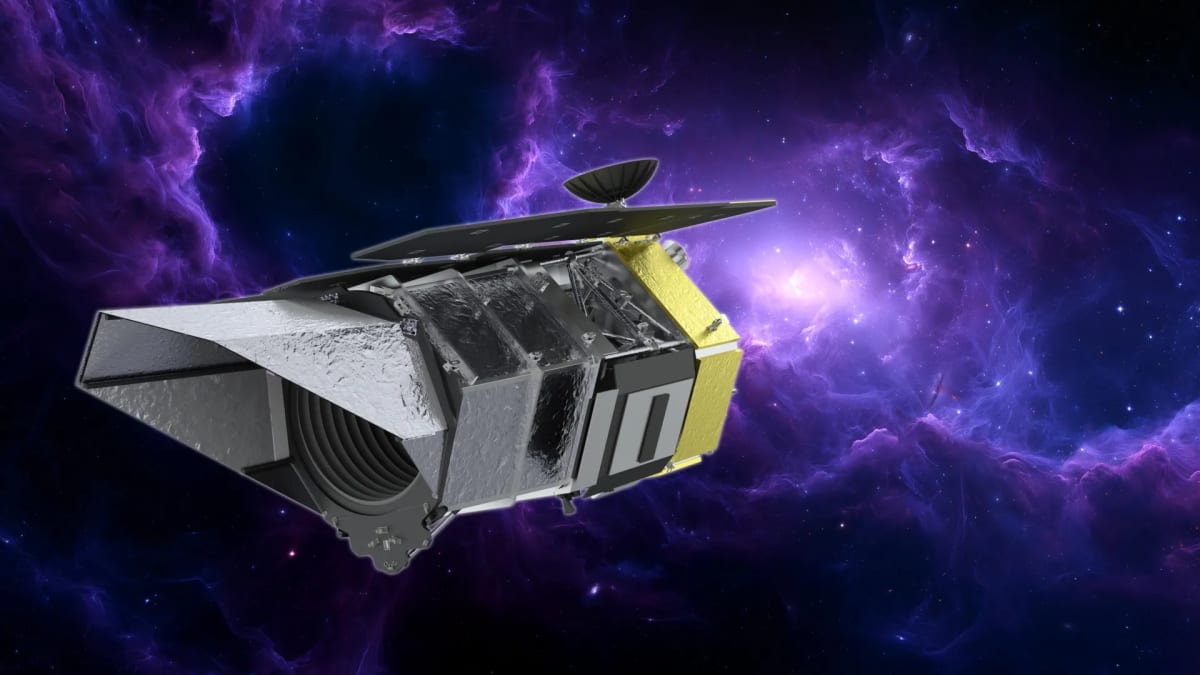
Scientists just created the clearest picture ever of the cosmic web, the enormous hidden structure connecting galaxies across the universe. Using NASA's James Webb Space Telescope, they traced this vast network back nearly 14 billion years.
Imagine being able to see the invisible skeleton that holds our entire universe together. That's exactly what astronomers at the University of California, Riverside just accomplished using NASA's James Webb Space Telescope.
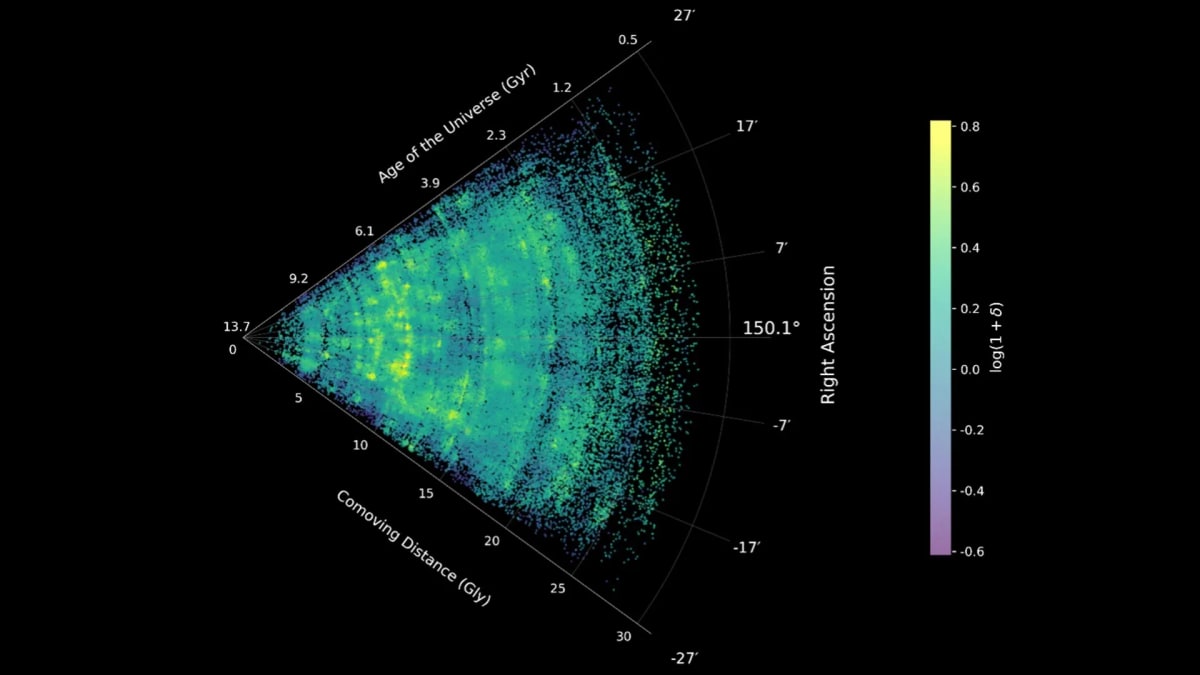
The team created the most detailed map ever made of the cosmic web, a massive framework of dark matter and gas that connects galaxies like threads in a cosmic tapestry. They traced this enormous structure back to when the universe was only one billion years old.
Think of the cosmic web as the universe's highway system. Giant filaments and sheets of dark matter and gas surround vast empty regions called voids, linking galaxies and galaxy clusters across unimaginable distances.
The breakthrough came from COSMOS-Web, the largest survey conducted with the James Webb Space Telescope so far. Researchers analyzed more than 164,000 galaxies across a patch of sky roughly three times the size of a full moon.
"JWST has completely changed our view of the universe," said Hossein Hatamnia, a graduate student at UCR who led the study. The telescope's powerful infrared instruments can detect faint galaxies that earlier telescopes completely missed.
The new map reveals dramatically more detail than previous observations of the same area taken by the Hubble Space Telescope. Structures that used to blur together now appear clearly separated, showing the cosmic web when the universe was only a few hundred million years old.
The clarity comes from two key advantages. The James Webb telescope detects far more faint galaxies in the same area, and it measures their distances much more precisely, allowing scientists to place each galaxy at its exact point in cosmic time.
Why This Inspires
This discovery reminds us that even after centuries of looking up at the night sky, we're still uncovering the universe's biggest secrets. The telescope launched just five years ago has already revealed structures that existed nearly at the dawn of time.
What makes this especially exciting is the team's commitment to sharing their work. Following COSMOS's tradition of open science, they've made the entire map, catalog of 164,000 galaxies, and a video showing the cosmic web evolving across billions of years freely available to everyone.
Scientists from ten countries across four continents contributed to this research, showing how international collaboration pushes the boundaries of human knowledge. The work received funding through the European Union's research and innovation program.
The cosmic web helps explain how the universe evolved from a fairly smooth sea of matter after the Big Bang into the rich tapestry of galaxies we see today. Understanding this structure helps scientists predict where galaxies form and how they change over billions of years.
Every new discovery about the cosmic web brings us closer to understanding our place in this vast universe and how everything connects.
Based on reporting by Science Daily
This story was written by BrightWire based on verified news reports.
Spread the positivity!
Share this good news with someone who needs it