Japan Companies Shield Workers From Record 104°F Heat
As temperatures soared past 104°F this summer, Japanese companies launched creative programs to protect employees from heatstroke. From sunrise construction shifts to color-changing body temperature stickers, businesses are turning workplace safety into innovation.
When thermometers hit record-breaking temperatures across Japan this summer, companies didn't just watch their workers suffer. They redesigned entire work schedules, invented new apps, and even deployed air-conditioned vehicles to remote worksites.
Construction giant Obayashi made a bold move in July and August, shifting their crews to 7 a.m. starts instead of 8 a.m. Workers now finish by 1 p.m., before the day's most dangerous heat arrives. If projects fall behind schedule, teams simply extend hours during cooler periods.
West Japan Railway took a tech approach. Since May, maintenance workers have accessed a company-developed app that delivers real-time heatstroke prevention tips right to their phones. The railway also shares successful cooling strategies across teams, creating a network of heat-fighting knowledge.
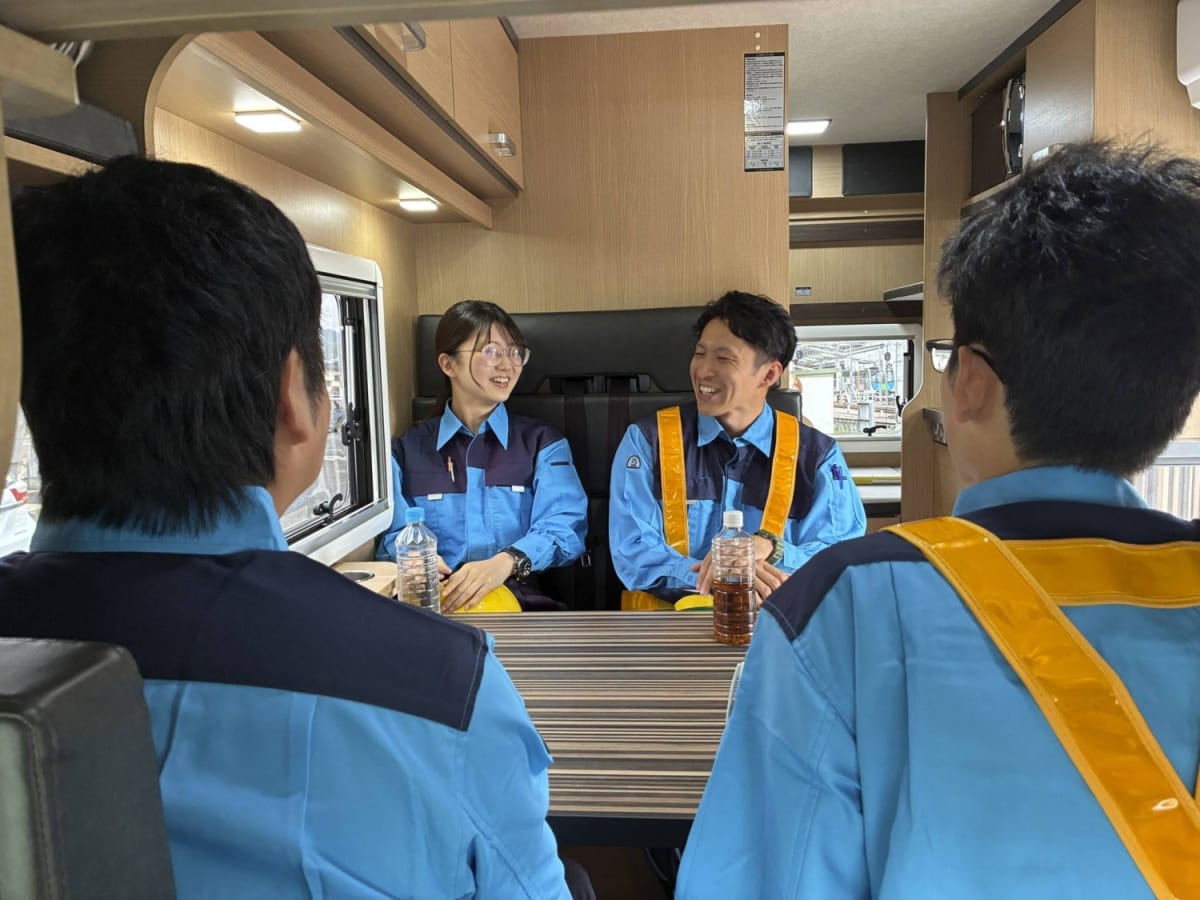
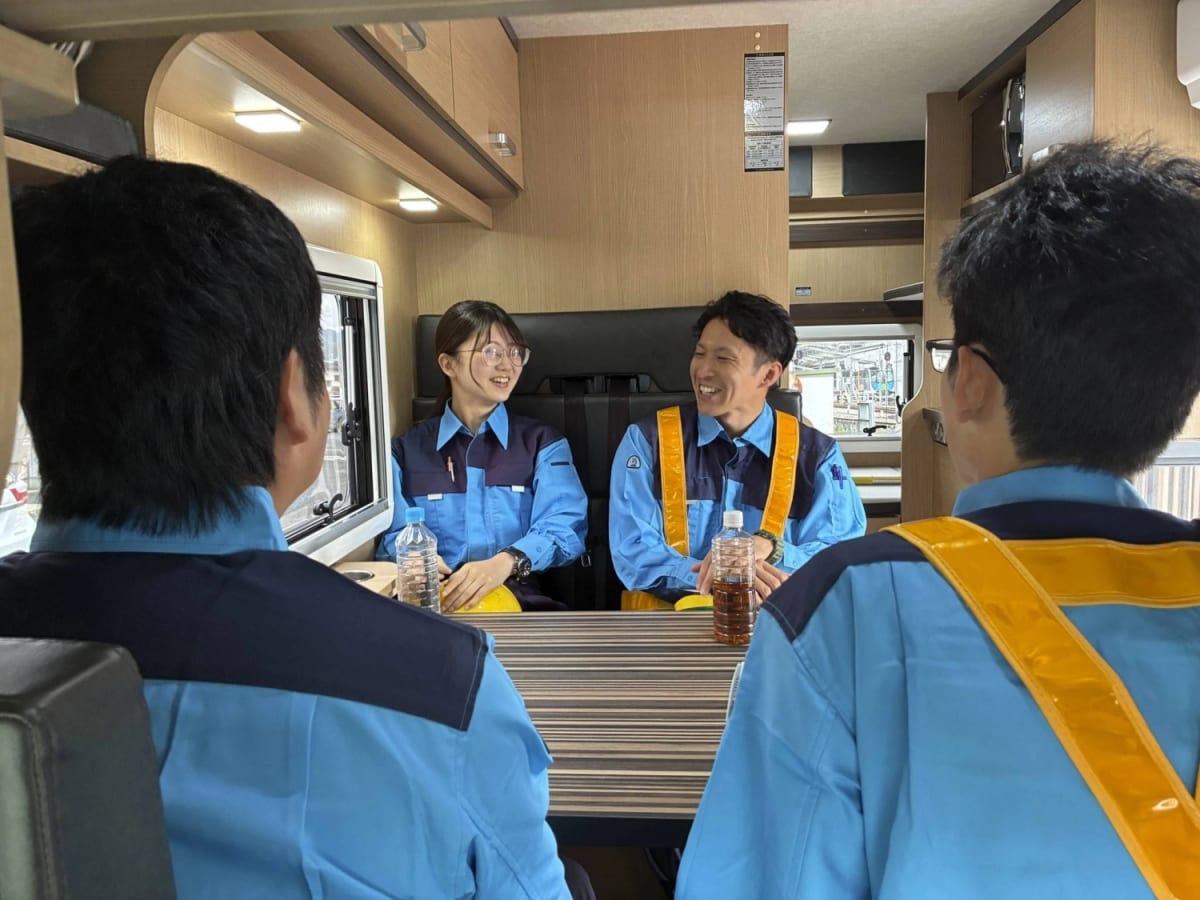
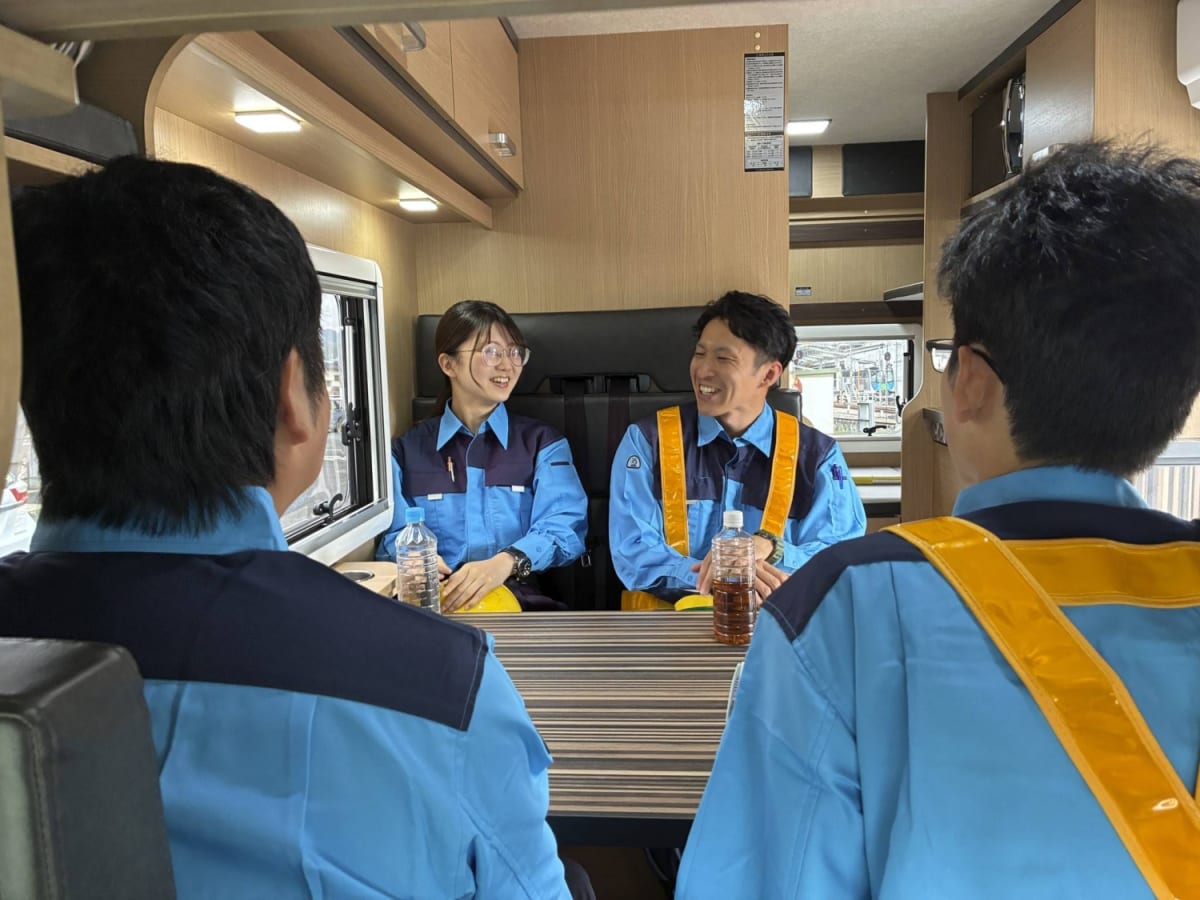
The innovation extends beyond schedules and apps. Seibu Railway stationed recreational vehicles with air conditioning and refrigerators in mountainous work areas, transforming what used to be 40-minute round trips to rest areas into instant relief.
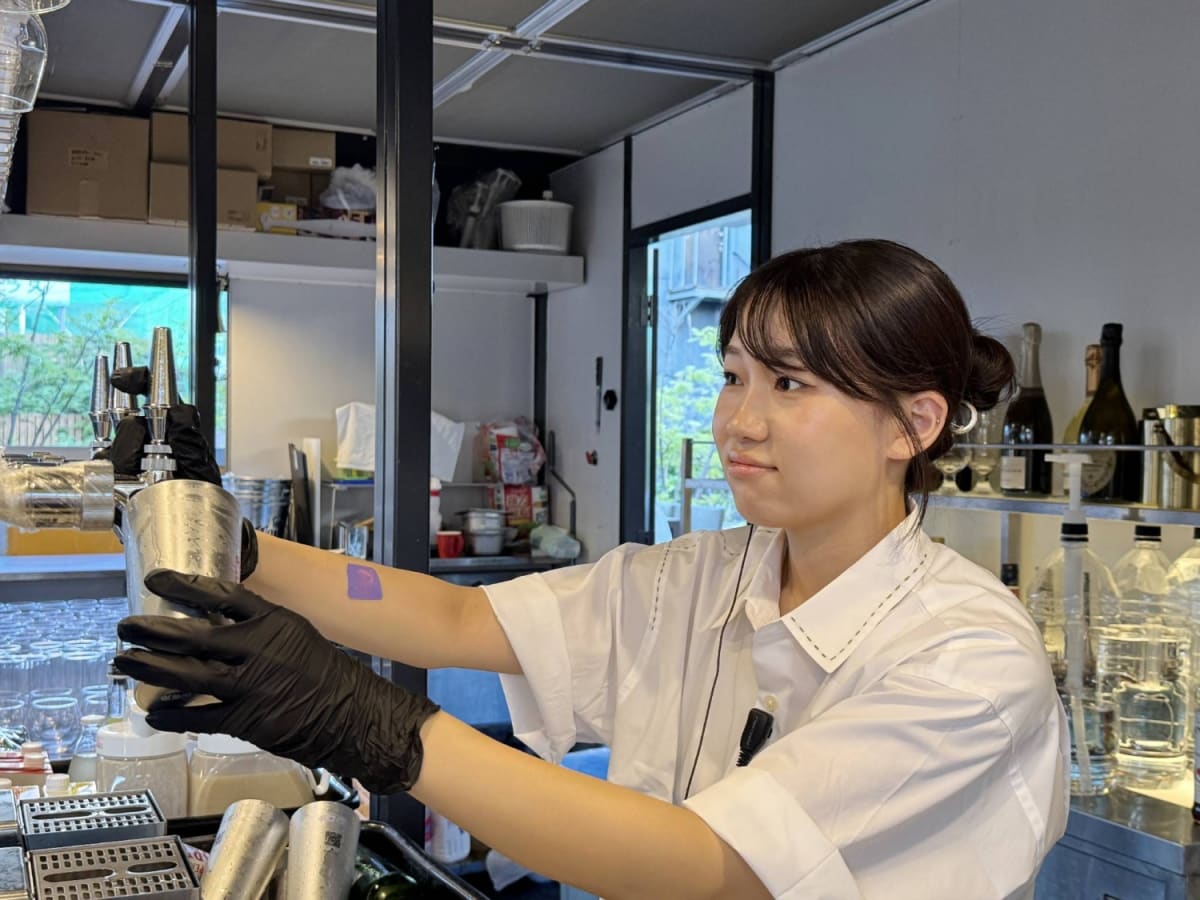
Even Tokyo's upscale Ginza district joined the effort. At Matsuya department store's rooftop beer garden, employees test special stickers that change color with body temperature. "The kitchen is especially hot," said 23-year-old employee Mizuki Shimomura. "As the color changes, I've become more conscious about drinking water."
This September, West Japan Railway will trial new breathable, sweat-absorbing polo shirt uniforms for 15,000 station staff and crew members. The upgrade prioritizes comfort without sacrificing professionalism.
The Ripple Effect
These changes didn't happen in a vacuum. Last year, Japan revised its industrial safety ordinance, requiring businesses to implement heatstroke prevention measures. Half of all Japanese companies reported operations disrupted by intense heat in a July survey, proving this isn't just a worker safety issue but an economic one.
What makes these efforts special isn't just compliance with new rules. Companies are competing to out-innovate each other in protecting their people. A construction firm adjusts entire project timelines around heat. A railway develops custom software. A department store tests futuristic temperature-monitoring stickers.
These solutions will likely spread beyond Japan as climate change pushes temperatures higher worldwide. The creativity Japanese businesses show today could become tomorrow's global workplace standard.
When the heat became unbearable, Japan's companies chose innovation over inaction, proving that protecting people and running successful businesses aren't competing goals.
More Images
Based on reporting by Japan Times
This story was written by BrightWire based on verified news reports.
Spread the positivity!
Share this good news with someone who needs it