Japan Invests $6.5B to Build Recycling-Powered Economy
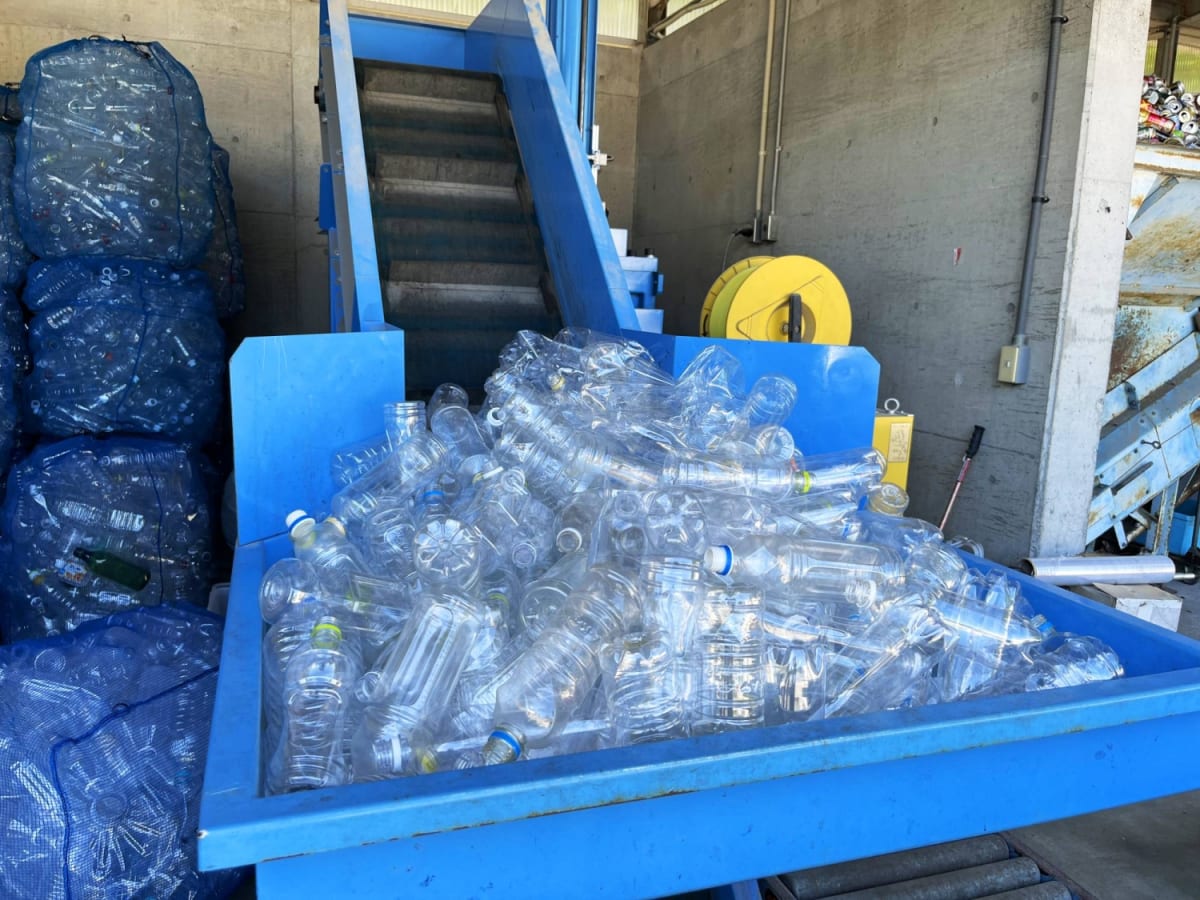
Japan just committed $6.5 billion to transform trash into treasure, turning discarded plastics and metals into the critical materials powering tomorrow's electric cars and medical devices. By 2030, the country aims to source 30% of its essential materials from recycled resources instead of imports.
Japan is betting big on turning waste into wealth with a bold new plan that could reshape how modern economies think about resources.
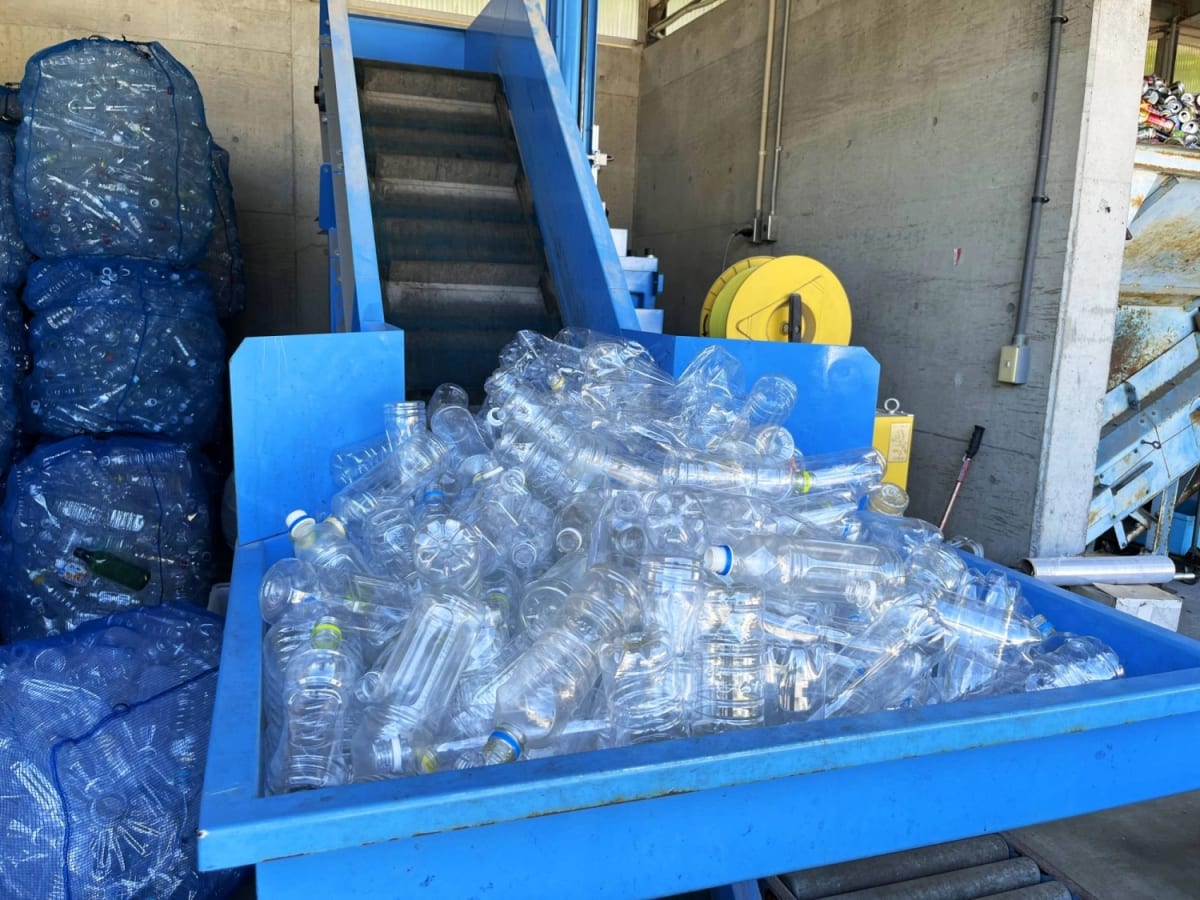
The Japanese government announced Tuesday it will invest ¥1 trillion (about $6.5 billion) by 2030 to build a cutting-edge recycling infrastructure. The goal is simple but ambitious: stop depending on other countries for critical materials and start mining the treasures already sitting in landfills and recycling bins.
The timing couldn't be more crucial. China recently tightened restrictions on exports of rare earth minerals to Japan, materials essential for everything from smartphone screens to wind turbines. Instead of scrambling for new suppliers, Japan decided to become its own.
Chief Cabinet Secretary Minoru Kihara emphasized the plan's dual purpose: strengthen economic security while accelerating the transition to a circular economy where materials get reused instead of discarded. The investment will fund new recycling facilities, resource recovery systems, and supply chains for recycled materials.
The government is backing this vision with real money, planning to offer loans to businesses that invest in recycling infrastructure. They're also writing these commitments into Japan's annual economic guidelines this summer, making it official policy rather than just good intentions.
One target stands out for its potential impact. By 2030, Japan plans to source 30% of raw materials for permanent magnets from recycled resources. These magnets power electric vehicle motors and critical medical equipment, two industries expected to explode in coming years.
The Ripple Effect
This shift could spark a global rethinking of waste. When a major economy like Japan proves recycling can replace mining as a primary source of critical materials, other nations will take notice.
The environmental benefits reach far beyond Japan's borders. Mining rare earth minerals often involves destructive practices that scar landscapes and pollute water supplies. Every ton of material recovered from recycling is a ton that doesn't require digging up someone's backyard halfway around the world.
Japan's model also addresses a uncomfortable truth about green technology. Electric vehicles and renewable energy require massive amounts of materials that have traditionally come from environmentally damaging extraction. If recycling can close that loop, the green revolution gets genuinely greener.
For Japanese businesses, this investment means new opportunities in an emerging industry. Companies that develop better ways to extract valuable materials from discarded electronics and industrial waste will find themselves at the forefront of a trillion-yen market.
When countries start seeing their trash as untapped mines, everyone wins.
More Images


Based on reporting by Japan Times
This story was written by BrightWire based on verified news reports.
Spread the positivity!
Share this good news with someone who needs it