Japan Plans World's Largest Floating Wind Farm by 2035
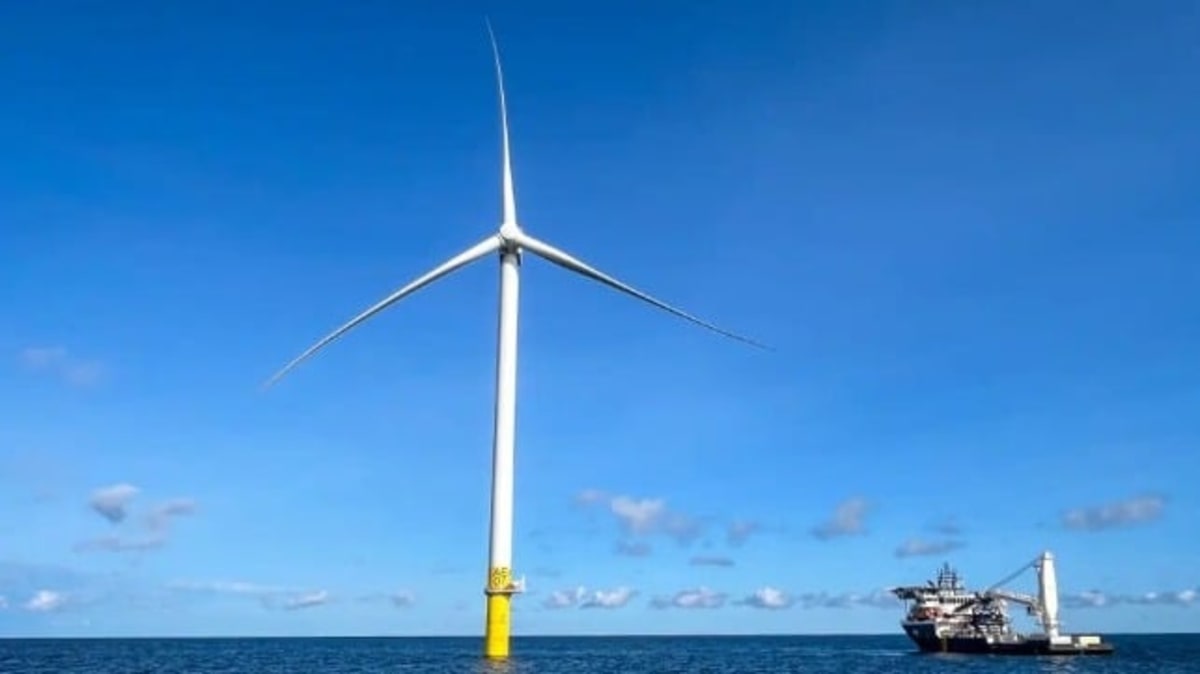
Japan is building what could become the world's largest floating wind farm off the Izu Islands, capable of powering one million homes with clean energy. The ambitious project would generate ten times more power than any existing floating wind farm.
Japan is taking a giant leap toward renewable energy with plans to build the world's largest floating wind farm, a breakthrough project that could transform how island nations harness ocean winds.
Governor Yuriko Koike announced the ambitious megaproject at a 2024 climate conference, proposing floating wind turbines off the Izu Islands that would generate 1 gigawatt of power. That's enough electricity to match a nuclear reactor and power roughly one million homes with clean, renewable energy.
The scale is staggering. Norway currently operates the world's largest floating wind farm at 94.6 megawatts. Japan's project would produce more than ten times that amount, setting a new global benchmark for offshore wind technology.
Tokyo chose floating turbines for a compelling reason: they cause less environmental disruption during construction than traditional seabed-anchored units. The turbines will be tethered rather than permanently fixed, protecting delicate marine ecosystems while still capturing powerful ocean winds.
The electricity will travel through submarine cables stretching 160 kilometers north to power both the Izu Islands and Tokyo itself. This innovative transmission system connects remote island communities to the capital while reducing dependence on fossil fuels.
The Ripple Effect
Japan's project signals a turning point for island nations and coastal regions worldwide facing the dual challenge of energy security and climate goals. If successful, the floating wind farm model could be replicated in hundreds of locations where deep waters previously made offshore wind impossible.
The technology also opens doors for countries with limited land area but extensive coastlines. Floating turbines can be deployed in waters too deep for traditional offshore wind installations, dramatically expanding where clean energy can be generated.
Beyond the environmental benefits, the project promises to strengthen Japan's energy independence while creating jobs in manufacturing, installation, and maintenance of cutting-edge renewable technology. The expertise gained could position Japan as a leader in exporting floating wind solutions to other nations.
While questions remain about the 2035 timeline and technical challenges of building at this unprecedented scale, the commitment itself represents progress. Japan is investing in solutions rather than dwelling on problems, choosing innovation over inaction.
The Izu Islands wind farm proves that ambitious climate action and practical energy needs can align, turning ocean breezes into reliable power for millions.
More Images

Based on reporting by Google News - Wind Energy
This story was written by BrightWire based on verified news reports.
Spread the positivity!
Share this good news with someone who needs it