Japanese Fishing Tech Helps Philippine Community Thrive
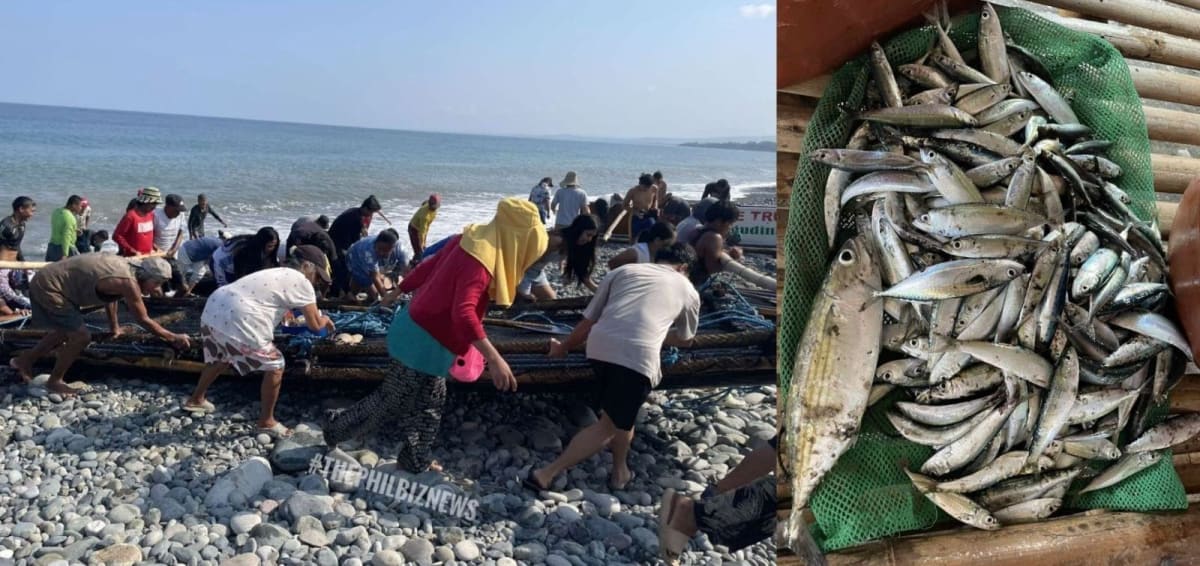
A Japanese fishing method is transforming a small coastal town in the Philippines, bringing bigger catches and stronger communities. The Lambaklad system has turned struggling fisherfolk into thriving cooperatives.
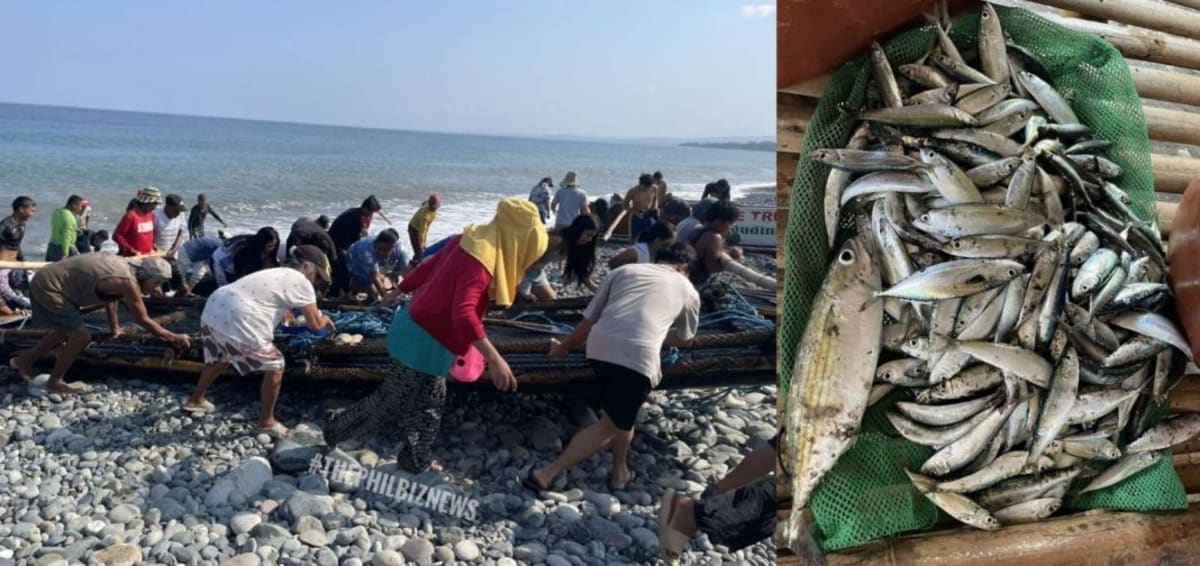
In the coastal waters of Tagudin, Ilocos Sur, fisherfolk are pulling in catches that once seemed impossible. Thanks to a Japanese fishing technology adapted for Philippine waters, their daily hauls have jumped from uncertainty to 80-100 kilograms per day, with a record catch of 407 kilograms.
The Lambaklad system takes its inspiration from Japan's otoshi-ami method. Large nets anchored in deep coastal waters catch migratory fish like tuna, mackerel, and blue marlin as they pass through.
Edgar Labiano, the municipal fisher coordinator of Pudoc West, leads 54 members from 11 coastal villages in operating the project. Together, they've turned Japanese innovation into a lifeline that works for their unique waters and way of life.
The name Lambaklad combines two Filipino words: lambat (net) and baklad (fish corral). But the project combines something even more powerful: cutting-edge technology with traditional fishing wisdom.
Labiano insists members use three-centimeter mesh sizes that let juvenile fish escape. This protects future fish populations while still delivering consistent catches today.
The Ripple Effect
The impact reaches far beyond the fishing boats. Leonardo Acosta, chairman of the Lambaklad Association in Pudoc West, says families who once struggled alone now pool resources for fuel and boat operations.
Younger generations are joining the fishing industry again, seeing a stable future where their parents saw only uncertainty. The association reinvests part of its earnings into the community, funding infrastructure like storage facilities and concrete flooring for barangay buildings.
The project receives support from the Bureau of Fisheries and Aquatic Resources and local government fuel subsidies. These partnerships prove that when technology respects tradition instead of replacing it, entire communities rise together.
For fishing families long dependent on unpredictable seas, steady catches mean food on tables and children in schools. They mean the difference between surviving and thriving.
Tagudin sits along the West Philippine Sea, where communities have always lived by the ocean's rhythms. Now, through a friendship that crossed waters from Japan to the Philippines, those same communities are writing a new story of cooperation, sustainability, and shared prosperity.
The fisherfolk aren't just catching more fish; they're catching hope.
More Images

Based on reporting by Regional: japan innovation technology (JP)
This story was written by BrightWire based on verified news reports.
Spread the positivity!
Share this good news with someone who needs it
%2Ffile%2Fattachments%2Forphans%2FKyran-Tourism7_528375.jpg)