Japan's Baseball-Sized Moon Robot Aces Lunar Mission
A tiny transforming robot the size of a baseball just proved that space exploration doesn't need to be supersized. Japan's adorable LEV-2 rover successfully explored the moon in 2024, and the results show it could change how we send robots to space.
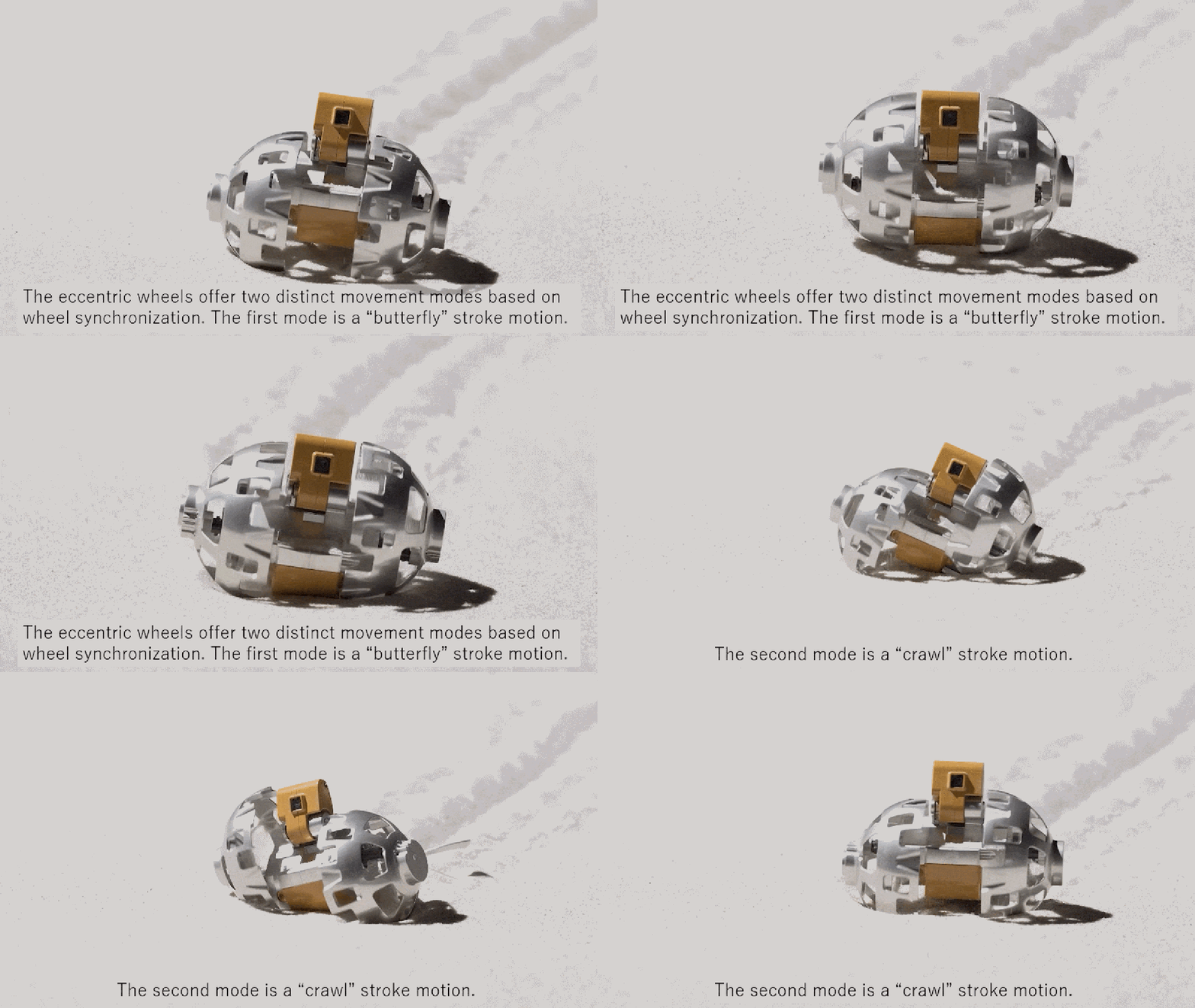
Imagine a robot small enough to fit in your palm that can transform from a ball into a two-wheeled explorer and navigate the moon on its own.
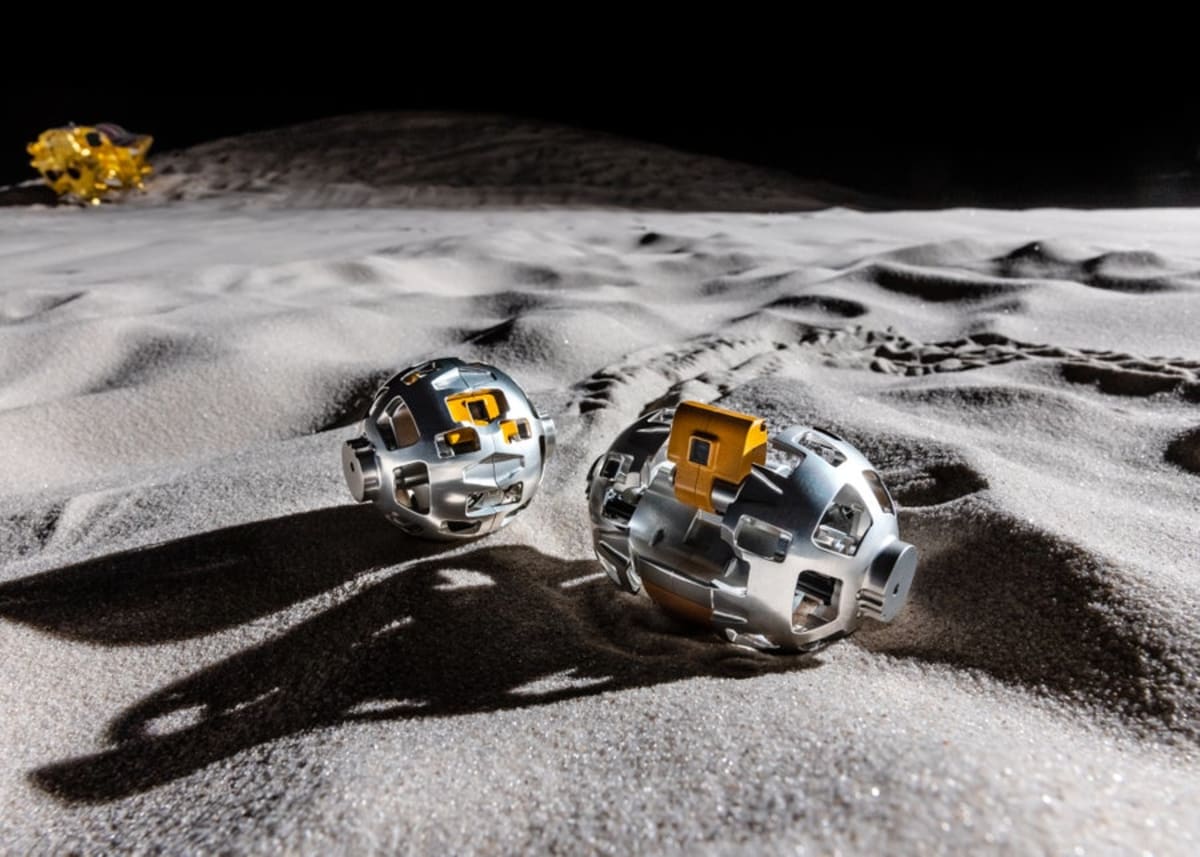
That's exactly what Japan's space agency pulled off. The Lunar Excursion Vehicle 2 (LEV-2) landed on the moon in January 2024, and scientists just confirmed it worked beautifully. The tiny bot weighs less than two sticks of butter and measures just three inches across, yet it rolled around the lunar surface, snapped photos, and beamed them back to Earth.
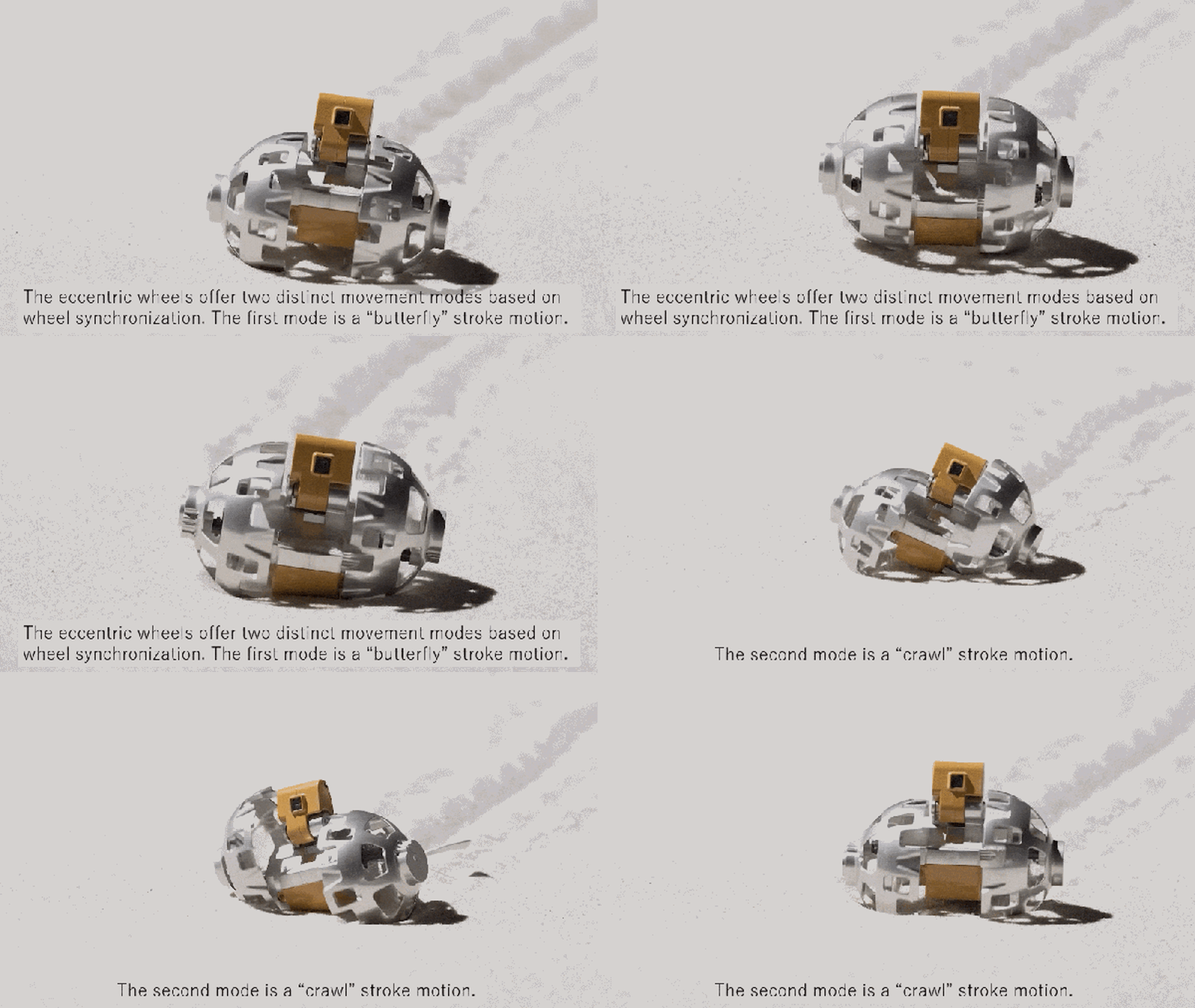
Here's where it gets really cool. JAXA designed LEV-2 with help from TOMY, a Japanese toy company. The robot borrows transformation technology from kids' toys that morph vehicles into robots. A rotating shaft inside unlocks the wheels, letting LEV-2 switch from ball mode to rover mode without getting jammed.
The mission had a serious purpose beyond the cuteness factor. Autonomous robots are critical for space exploration because they can venture into dangerous places without risking human lives. But most rovers are heavy and clunky. LEV-2 proves that smaller, lighter robots can do the job just as well.
LEV-2 traveled to the moon aboard JAXA's SLIM lander alongside a sister rover called LEV-1. Once on the surface, the little transformer wheeled around near the lander and successfully transmitted images through LEV-1 back to mission control on Earth.
The mission wasn't perfect. LEV-2 lost connection with LEV-1 several times during its lunar adventure. After about 90 minutes, communication cut out completely. But scientists say these challenges taught them valuable lessons for designing the next generation of space robots.
The Ripple Effect
This successful test opens new possibilities for exploring not just the moon but other planets and moons across our solar system. Smaller robots mean spacecraft can carry more of them at once or use less fuel to get them there. Multiple lightweight rovers working together could map dangerous terrain, search for water or resources, and scout landing sites for future human missions.
The toy-inspired design also shows how collaboration between different industries can spark innovation. By thinking outside traditional aerospace engineering and borrowing ideas from playful sources, JAXA created something both functional and charming. Other space agencies are already watching closely to see how they might adapt similar approaches.
The study documenting LEV-2's success was published in Science Robotics, giving other researchers a blueprint for building their own miniature space explorers.
Two years after its lunar debut, this baseball-sized robot with transformation powers is proving that the future of space exploration might be smaller and more adorable than we ever imagined.
More Images
Based on reporting by Scientific American
This story was written by BrightWire based on verified news reports.
Spread the positivity!
Share this good news with someone who needs it