Japan's 'Ibasho' Helped Tsunami Survivors Heal Together
After Japan's devastating 2011 tsunami, scientists discovered that the ancient concept of "ibasho" (belonging and social connection) helped survivors recover mentally and rebuild their lives. Communities that fostered these bonds saw better long-term mental health outcomes and reduced dementia risks.
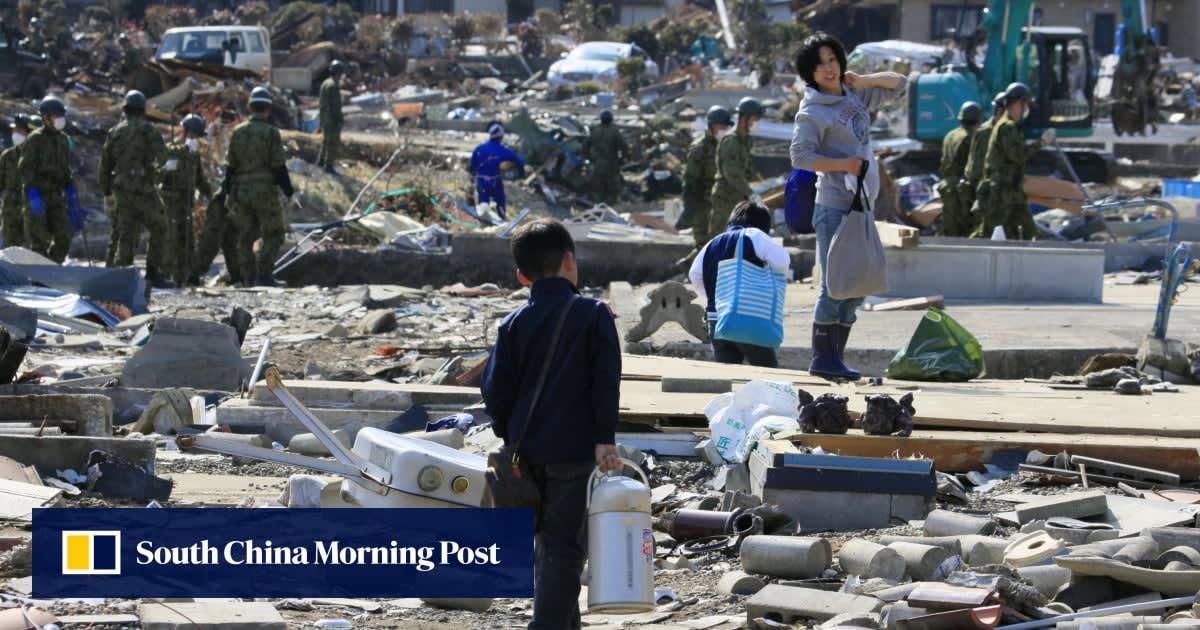
When massive tsunami waves destroyed Masako Saito's coastal community in 2011, what saved survivors wasn't just physical shelter. It was something deeper: a Japanese concept called "ibasho" that researchers now say could transform how we help people heal from disasters.
Ibasho means "a place where you belong." It's the feeling of having meaningful connections and a valued role in your community. Scientists studying the Great East Japan Earthquake discovered this simple idea became a powerful force for recovery.
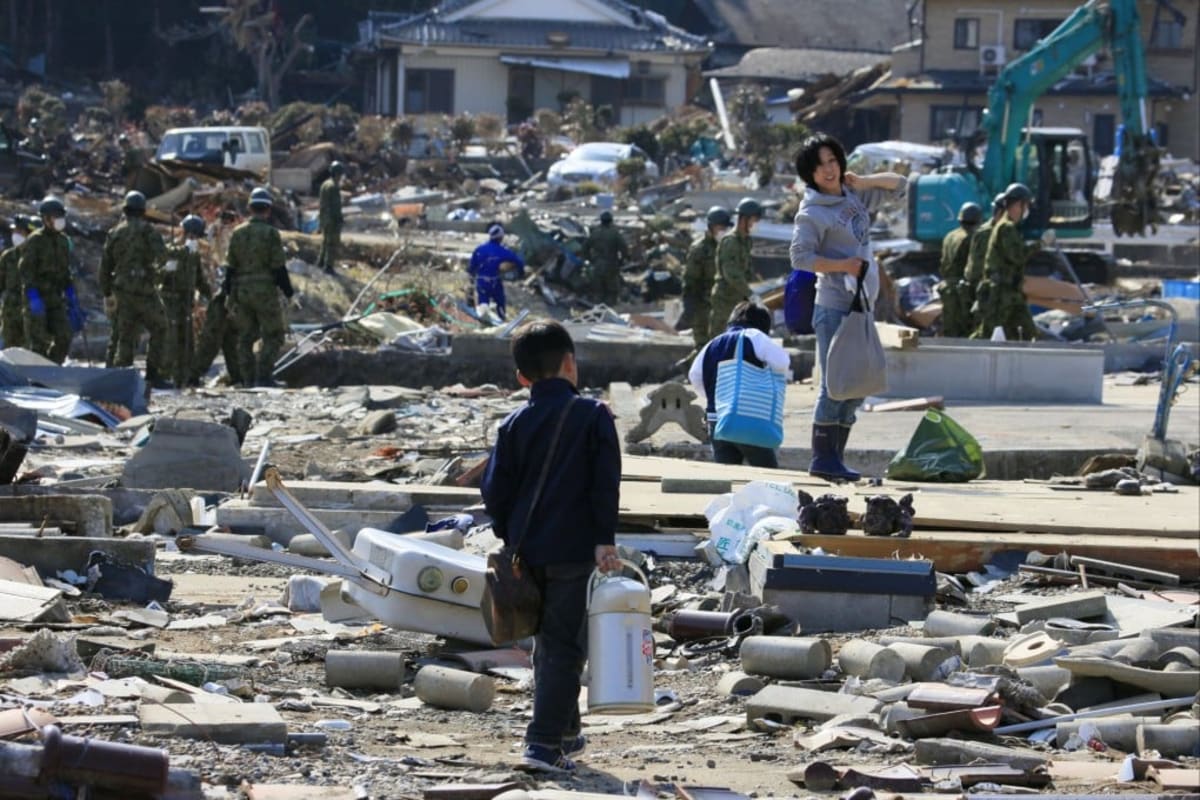
Saito, now 66, remembers returning to Soma City a month after the disaster to find her once-thriving neighborhood flattened. Fishing boats sat crushed among piles of debris. Everything looked unrecognizable.
But even on that first terrifying night in the evacuation shelter, something remarkable happened. Strangers shared blankets despite their own anxiety. A friend whose home survived the waves tracked down Saito's family and opened her doors to them for days.
When radiation fears grew at the nearby Fukushima nuclear plant, relatives in another region welcomed them again. Each act of connection became a thread helping survivors weave their lives back together.
Researchers found this pattern repeated across affected communities. People who maintained social connections and found purpose helping others showed better long-term mental health. The study revealed these bonds even helped protect against dementia as survivors aged.
The finding matters far beyond Japan. Natural disasters are increasing worldwide, and most recovery efforts focus on physical rebuilding. This research suggests we've been missing a crucial piece: helping people restore their sense of belonging and purpose alongside their homes.
Why This Inspires
The ibasho approach shows that community connection isn't just nice to have during recovery. It's essential medicine. Saito and her neighbors didn't wait for professional help or official programs. They simply looked after each other, creating spaces where everyone belonged and had something meaningful to contribute.
Their instinct to connect turned out to be exactly what science now recommends. Sometimes the oldest wisdom about taking care of each other becomes the newest breakthrough in healing.
More Images

Based on reporting by South China Morning Post
This story was written by BrightWire based on verified news reports.
Spread the positivity!
Share this good news with someone who needs it