Japan's New H3 Rocket Launches Six Satellites Successfully
Japan just perfected a cheaper, simpler way to reach space. The country's new liquid-only rocket design opens doors for more affordable satellite launches.
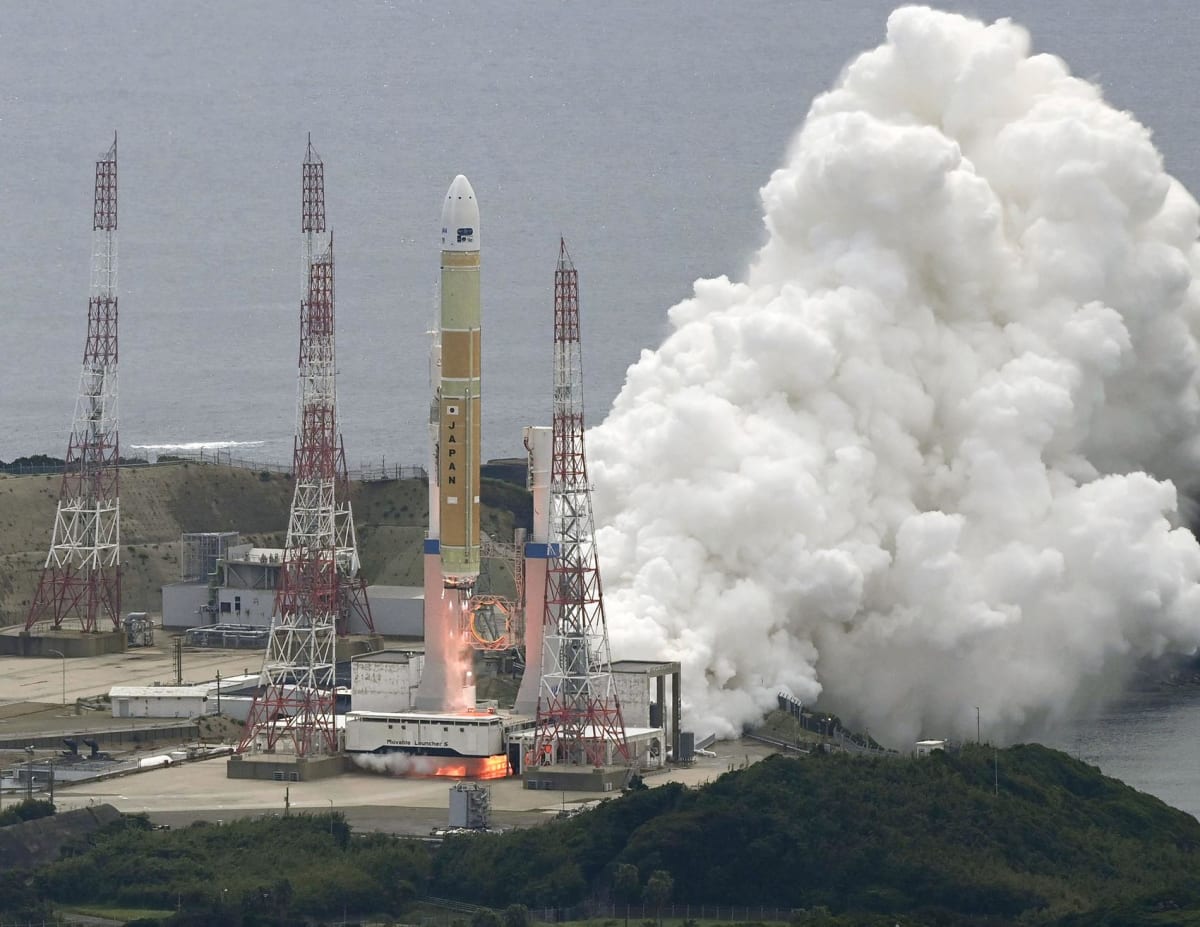
Japan's space program hit a major milestone Friday when its redesigned H3 rocket carried six small satellites into orbit using only liquid fuel engines.
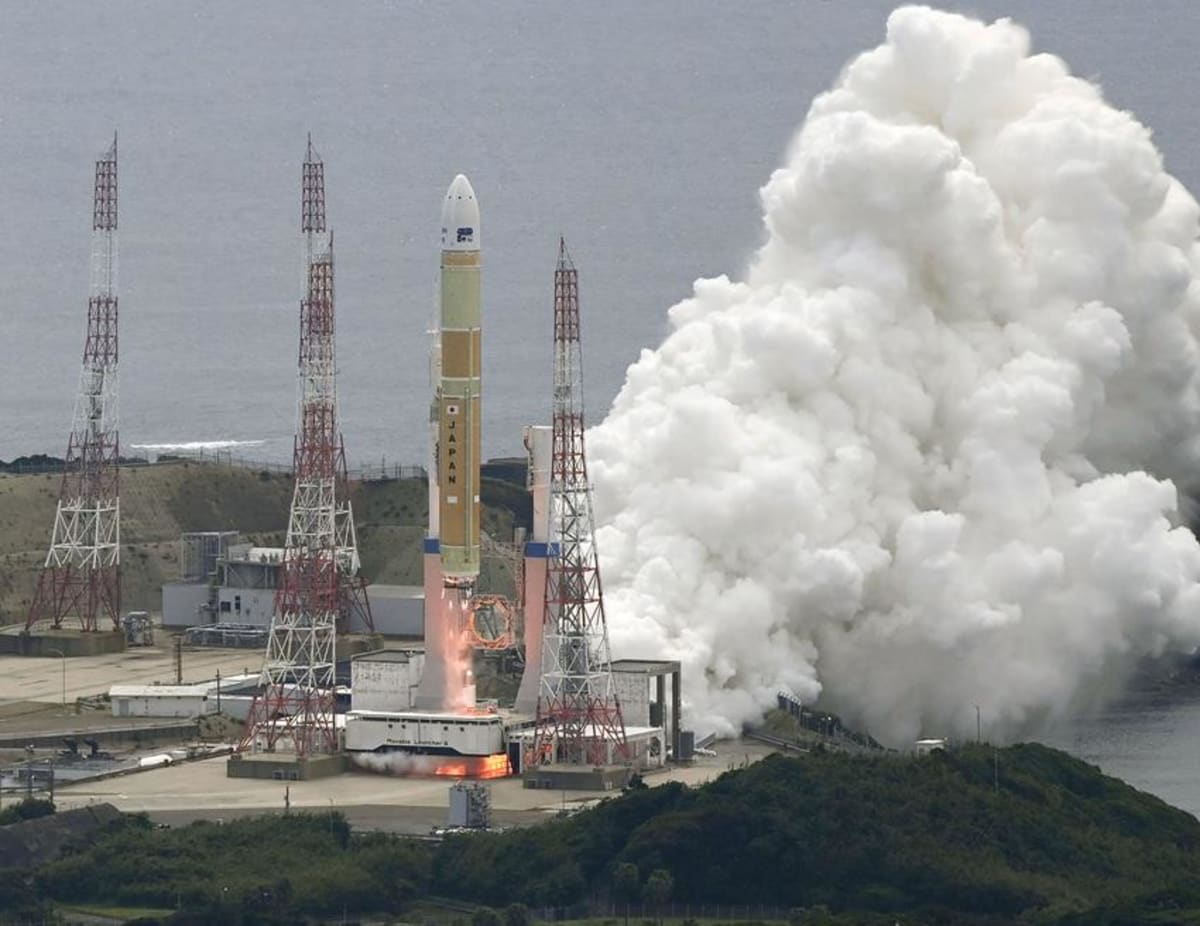
The rocket lifted off from Tanegashima Space Center at 9:55 a.m., marking the first time Japan has launched a rocket without solid fuel boosters. This new configuration uses three main engines and costs less to build and operate than previous models.
The Japan Aerospace Exploration Agency designed this lighter version to make space more accessible. By removing the solid rocket boosters, they created a simpler system that's easier to manufacture and maintain while still getting the job done.
Among the six satellites now orbiting Earth is Umitsubame, equipped with a high-performance camera to monitor ocean health. Another satellite called Shiraito will test new technology for cleaning up space debris, tackling one of the biggest challenges facing modern space exploration.
This success comes after a bumpy road for the H3 program. The rocket's first launch in March 2023 ended when the second-stage engine failed to ignite, forcing mission control to destroy it. Another attempt last December couldn't place its satellite into the correct orbit.
The Ripple Effect
This breakthrough does more than add another rocket to Japan's fleet. The new liquid-only design completes a trio of H3 configurations, giving Japan flexible options for different mission needs and budgets.
Lower launch costs could mean more universities and research institutions can afford to send experiments to space. The satellites launched Friday prove that point. Both came from Japanese universities working on critical problems like ocean monitoring and space cleanup.
Japan now joins a small group of nations with proven liquid-fuel rocket technology, strengthening its position in the growing commercial space industry. As more countries and companies look to launch satellites for communications, weather tracking, and research, affordable options become crucial.
The successful flight shows that persistence pays off in space exploration. After engine problems delayed the launch since July and two previous failures, JAXA kept refining its design until it worked.
Space just got a little more accessible, one liquid-fueled engine at a time.
More Images



Based on reporting by Japan Today
This story was written by BrightWire based on verified news reports.
Spread the positivity!
Share this good news with someone who needs it