Jersey Launches Live Map to Track Asian Hornet Nests
A new interactive map in Jersey lets residents report and track Asian hornet sightings in real time, helping volunteers destroy nests faster. The crowdsourced tool turns every islander into a protector of local bees and native insects.
Jersey just turned its entire population into a citizen science army fighting invasive hornets.
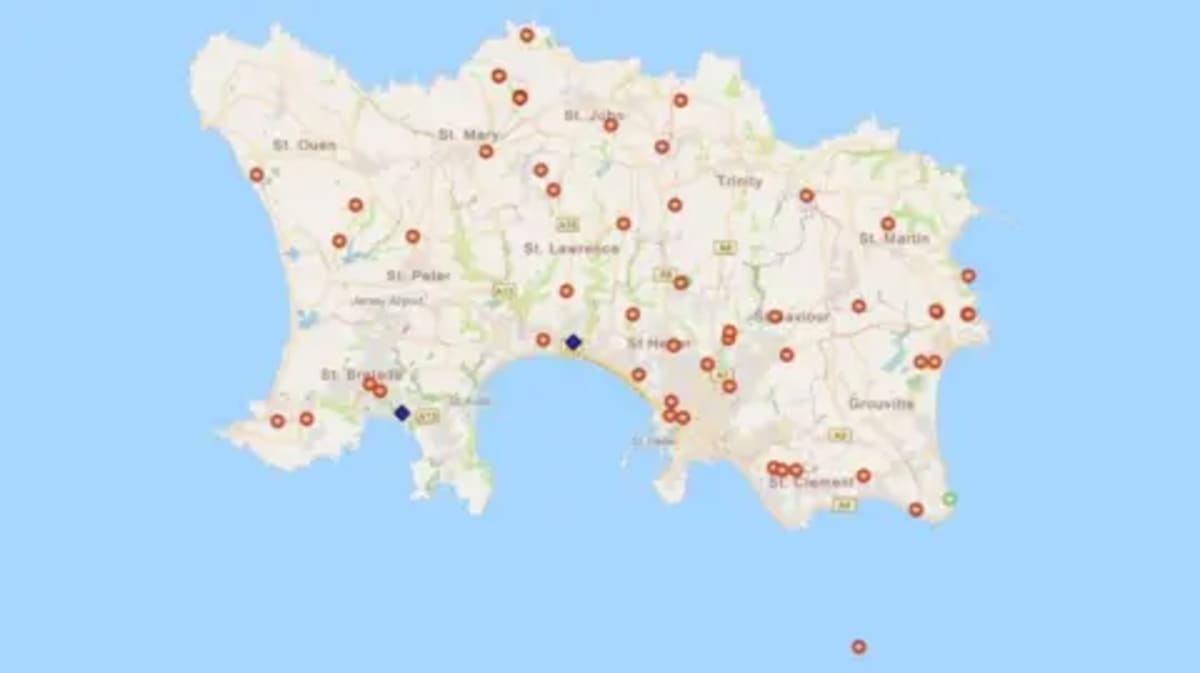
The island's Biosecurity team launched an interactive online map where residents can report Asian hornet sightings, see if someone else already spotted the same nest, and track which nests have been destroyed. People can even upload photos to help volunteers confirm sightings and take action faster.
The timing couldn't be better. Spring has arrived, and queen hornets are waking up from hibernation to build new nests in sheds, carports, and eaves across the island.
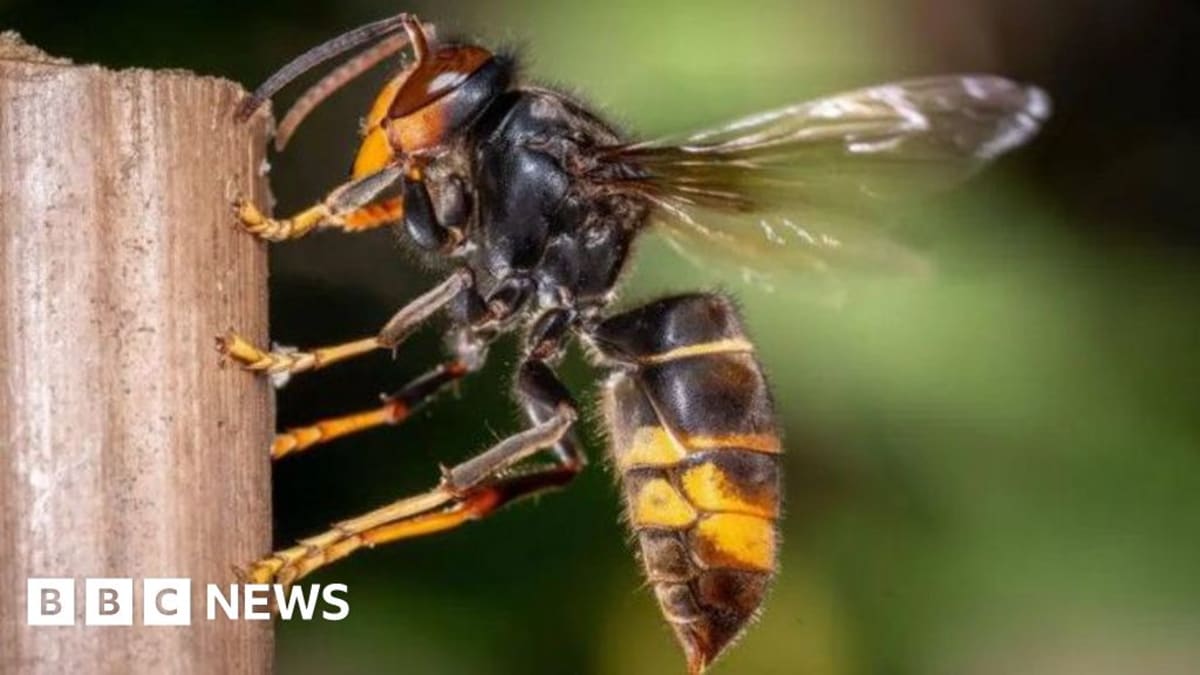
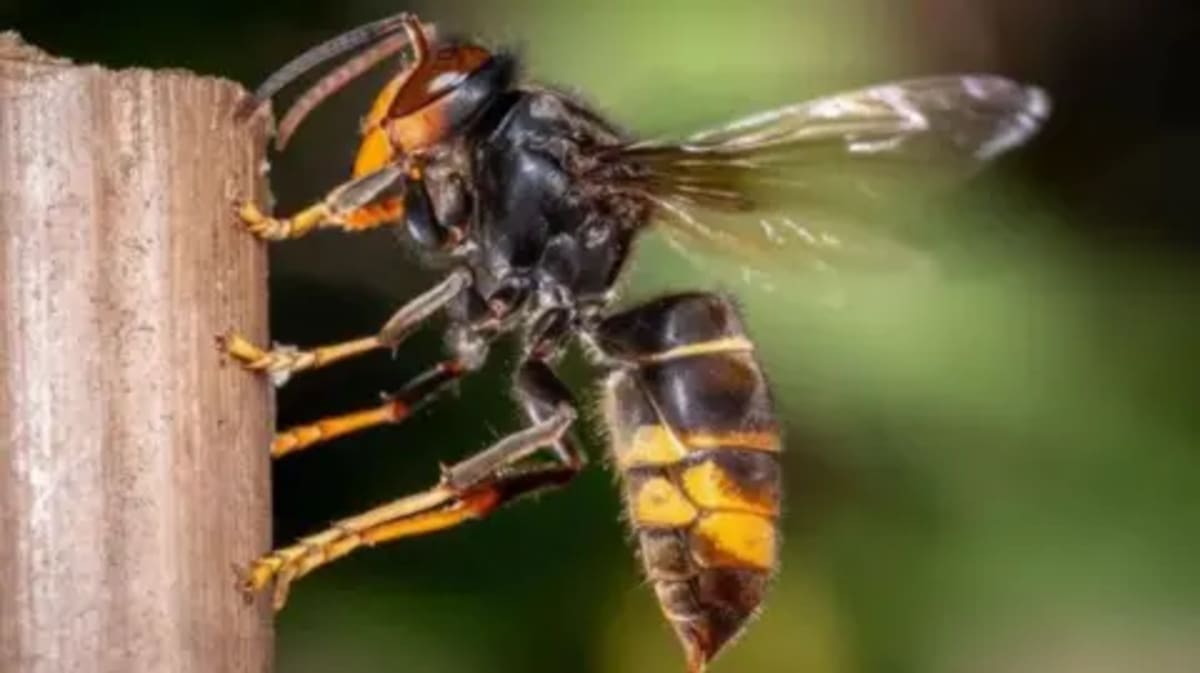
Asian hornets arrived in Jersey in 2016 and quickly became a serious threat to honey bees and native insects. Last year alone, islanders reported 4,000 sightings of the aggressive predators and their nests. That's a lot of data for a small team to handle.
The new map solves a critical problem. Instead of sorting through duplicate reports or chasing down vague descriptions, the volunteer Jersey Asian Hornet Group and government biosecurity experts can focus their energy on destroying nests quickly.
Alastair Christie, Jersey's Senior Scientific Officer for Invasive Species, said the tool saves precious time. "Islanders are our eyes on the ground," he explained, praising residents for becoming active participants in protecting their ecosystem.
The Ripple Effect
This simple map represents something bigger than hornet control. It's proof that environmental protection works best when entire communities participate.
Every photo uploaded and every pin dropped on the map helps scientists understand where hornets build nests and how their populations move. That data improves response strategies for future seasons. Meanwhile, honey bees get better protection, which means healthier pollination for Jersey's gardens and farms.
The approach also builds community resilience. When residents understand the threats facing local wildlife and have practical tools to help, they become invested in solutions. One person spots a nest near their shed, reports it through the map, and within hours volunteers arrive to destroy it before hundreds of hornets emerge to hunt bees.
Christie urged people to check common nesting spots this spring and report anything suspicious. The warning comes with an important safety note: don't disturb nests yourself, as the hornets aggressively defend their homes and their stings pack a punch.
Jersey's crowdsourced defense system turns a daunting invasion into a manageable challenge, one reported sighting at a time.
More Images
Based on reporting by BBC Science
This story was written by BrightWire based on verified news reports.
Spread the positivity!
Share this good news with someone who needs it